
Browse Cards
Original cards for birthdays, hard weeks, and the thank-you you keep meaning to send. Pick one, write something only you could write, and send it in minutes.
Create Your Own Card
Upload photos, add stickers, draw on it — make it yours
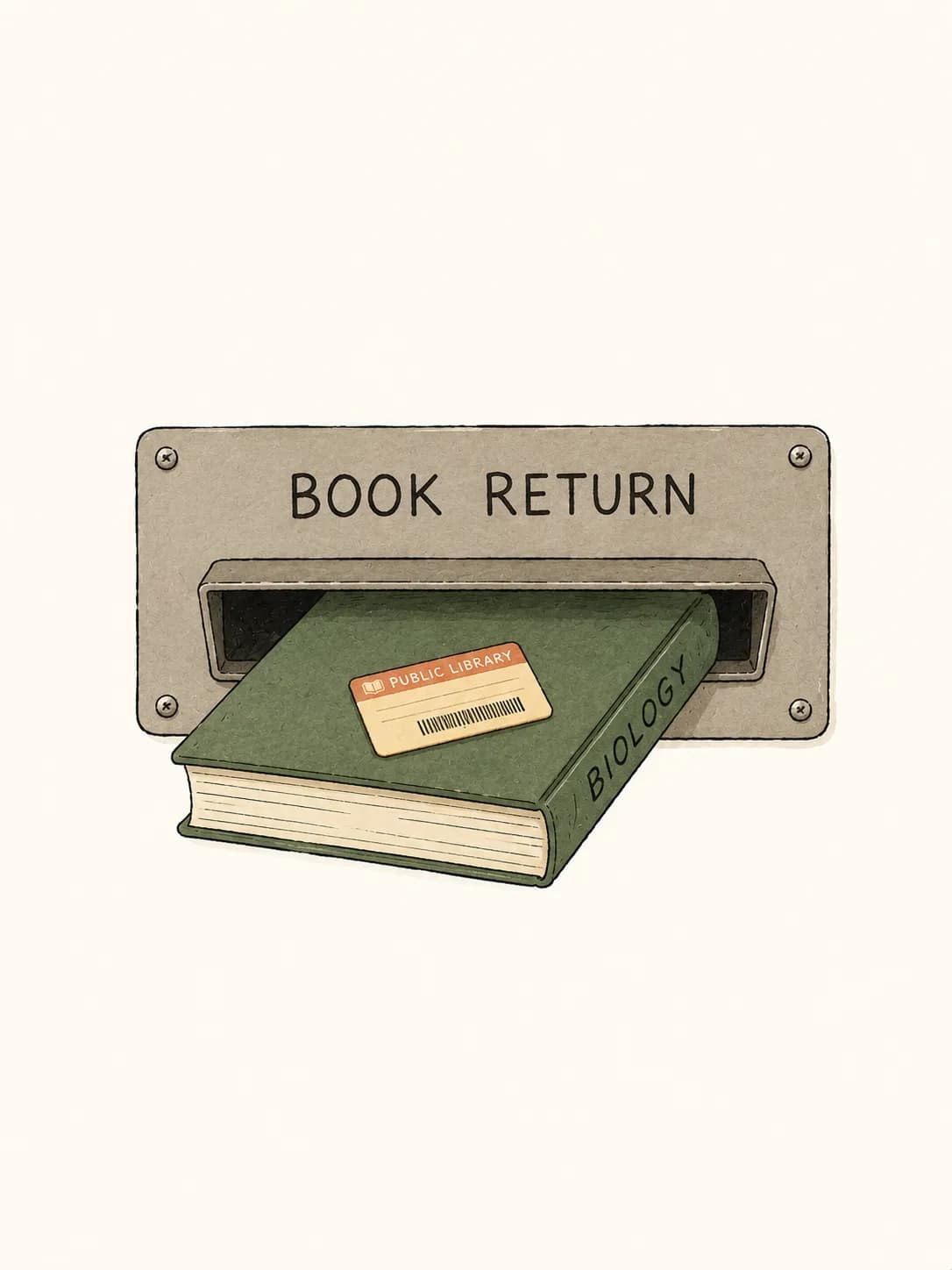
All books returned
Library Return
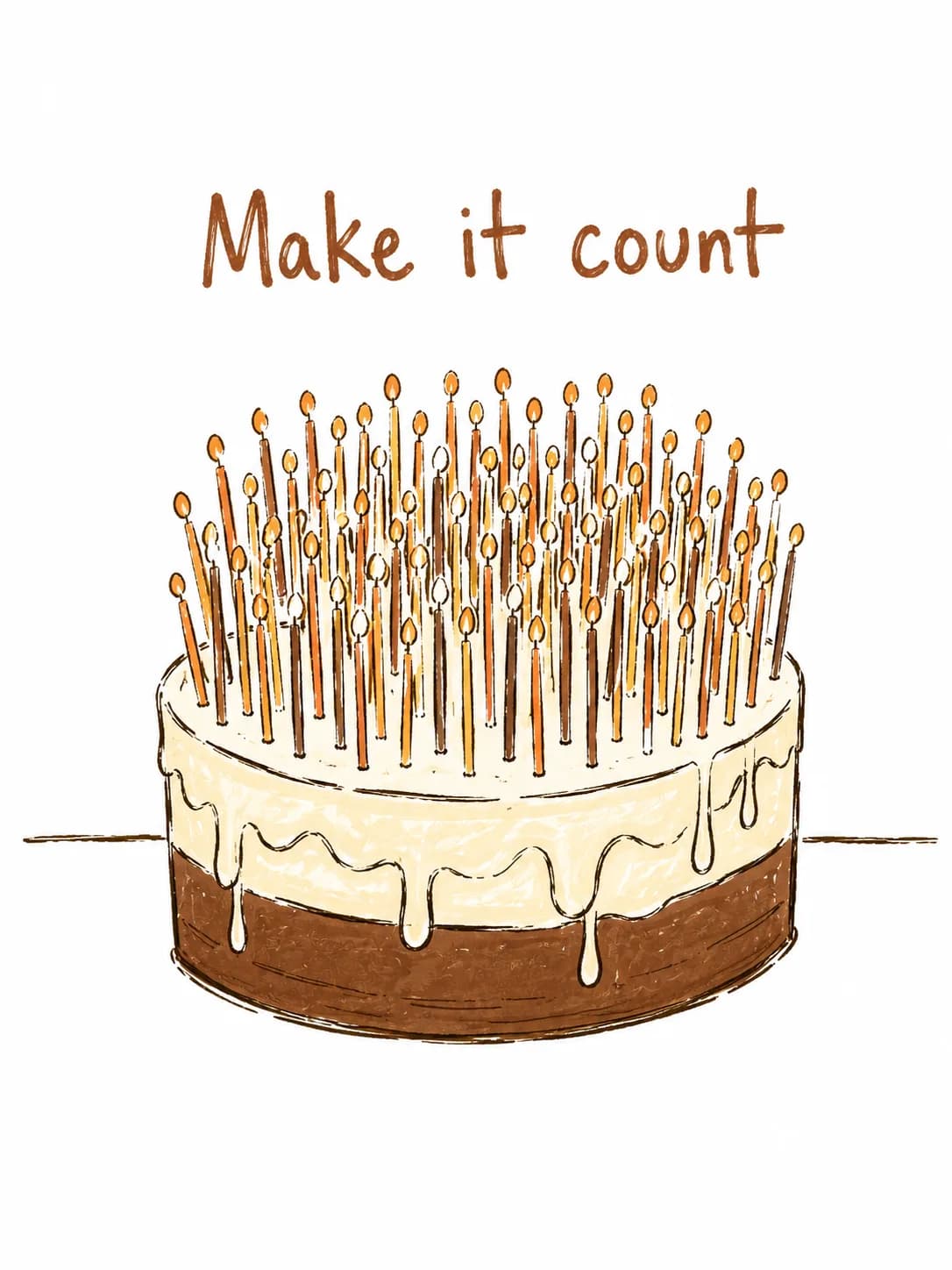
Make it count
Candle Forest
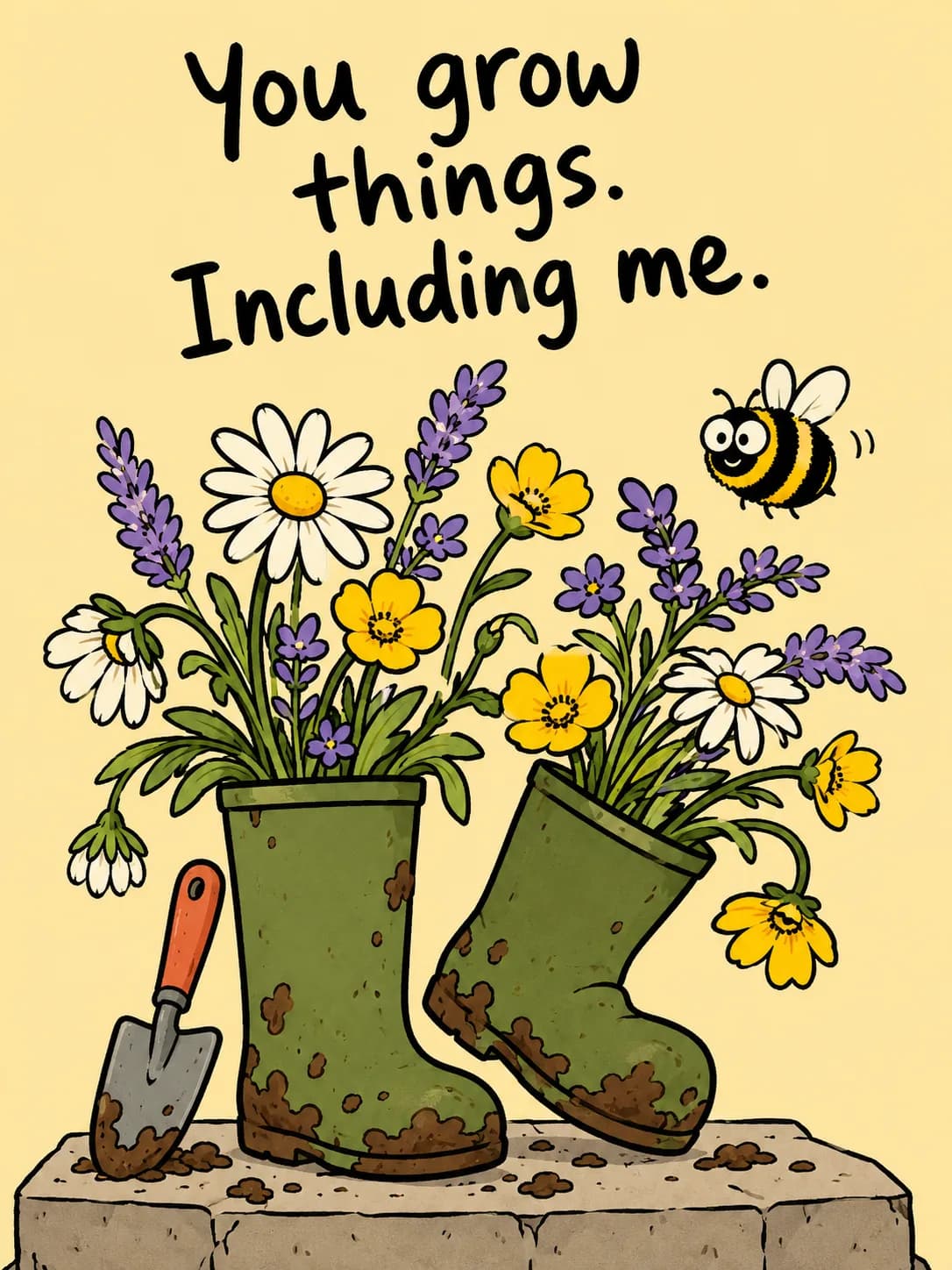
You grow things. Including me.
Garden Boots
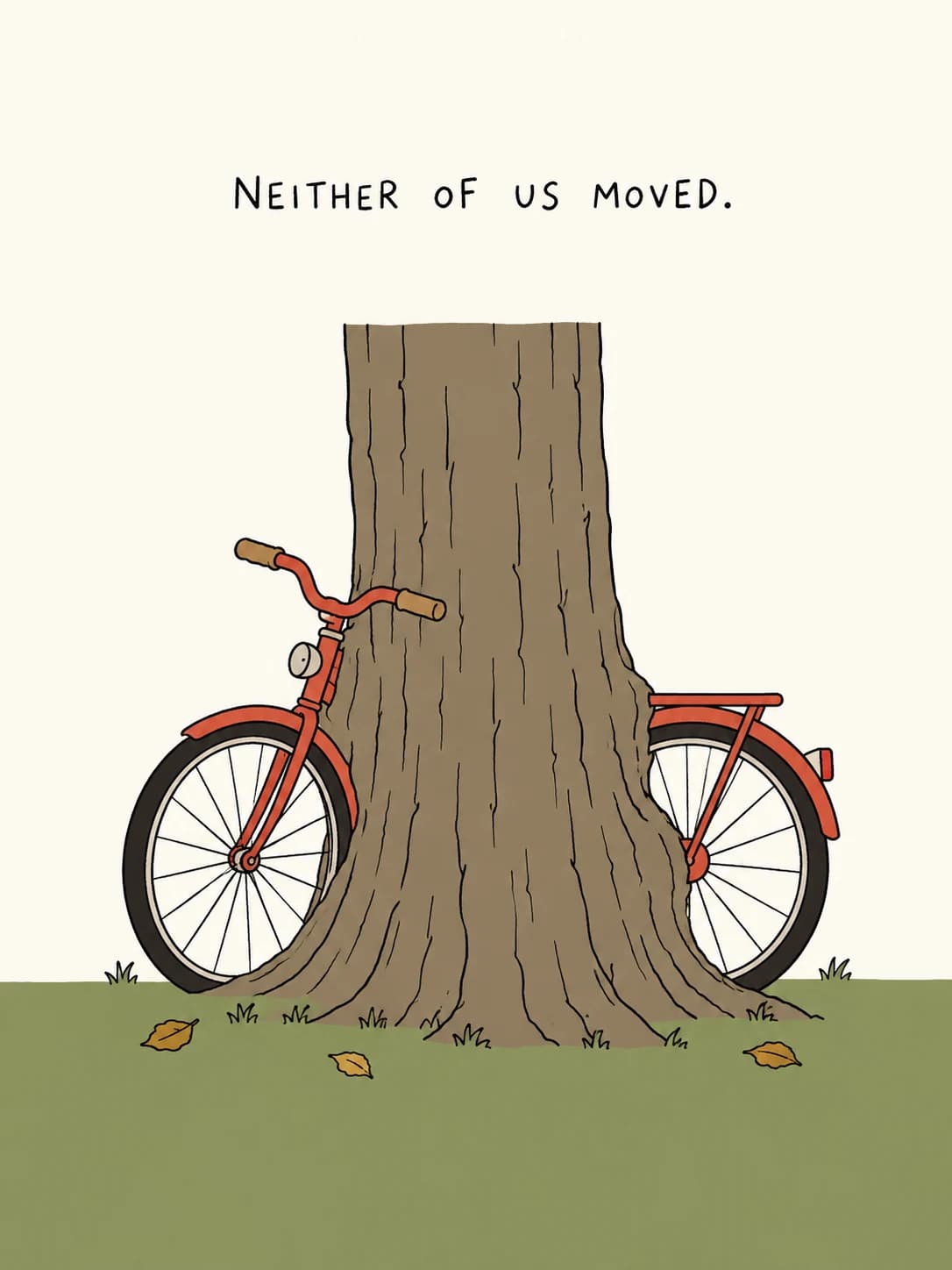
Neither of us moved.
The Tree Grew Around It
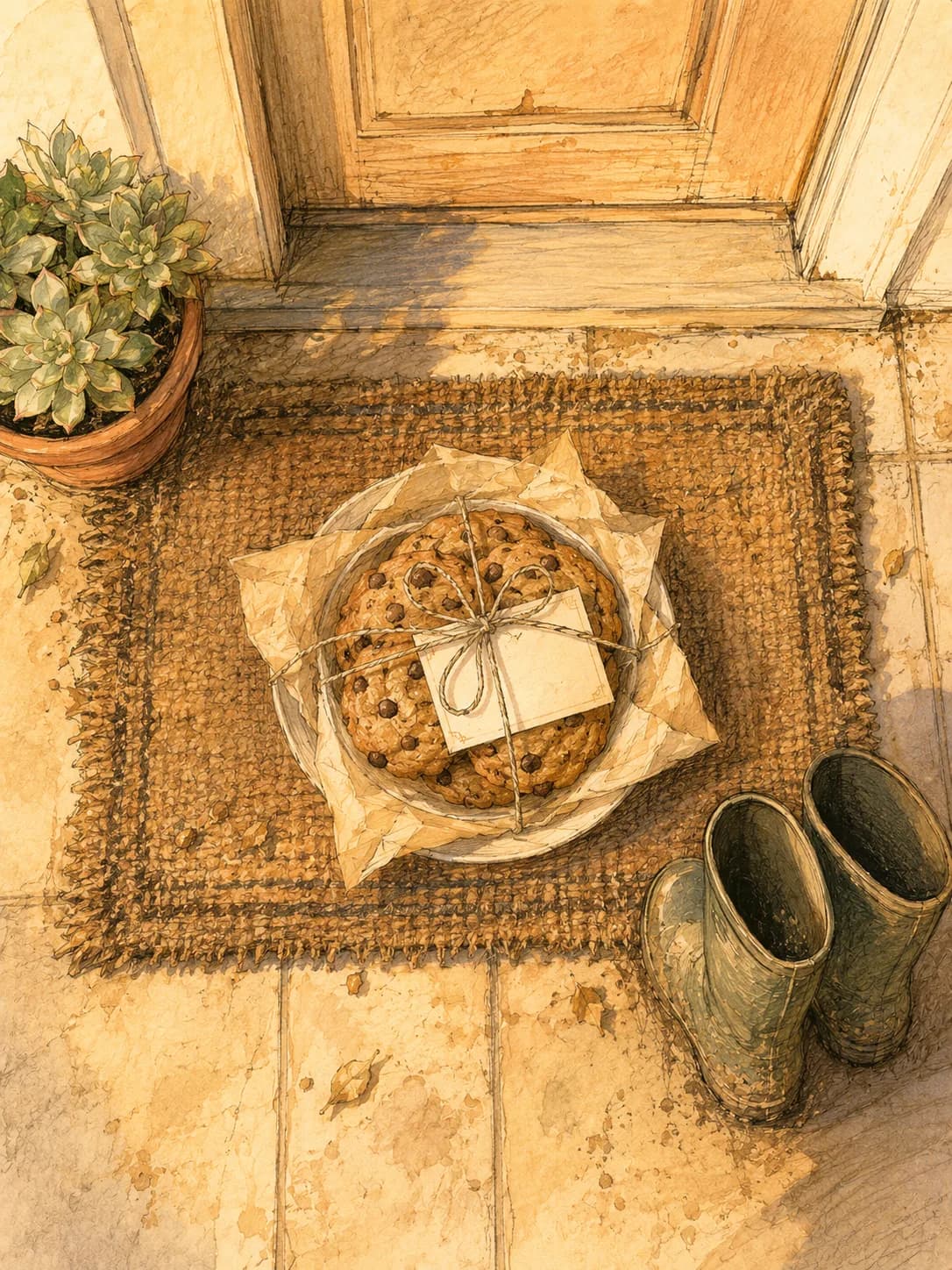
You didn't have to do that
Doorstep Cookies

Your year to shine
Disco Ball
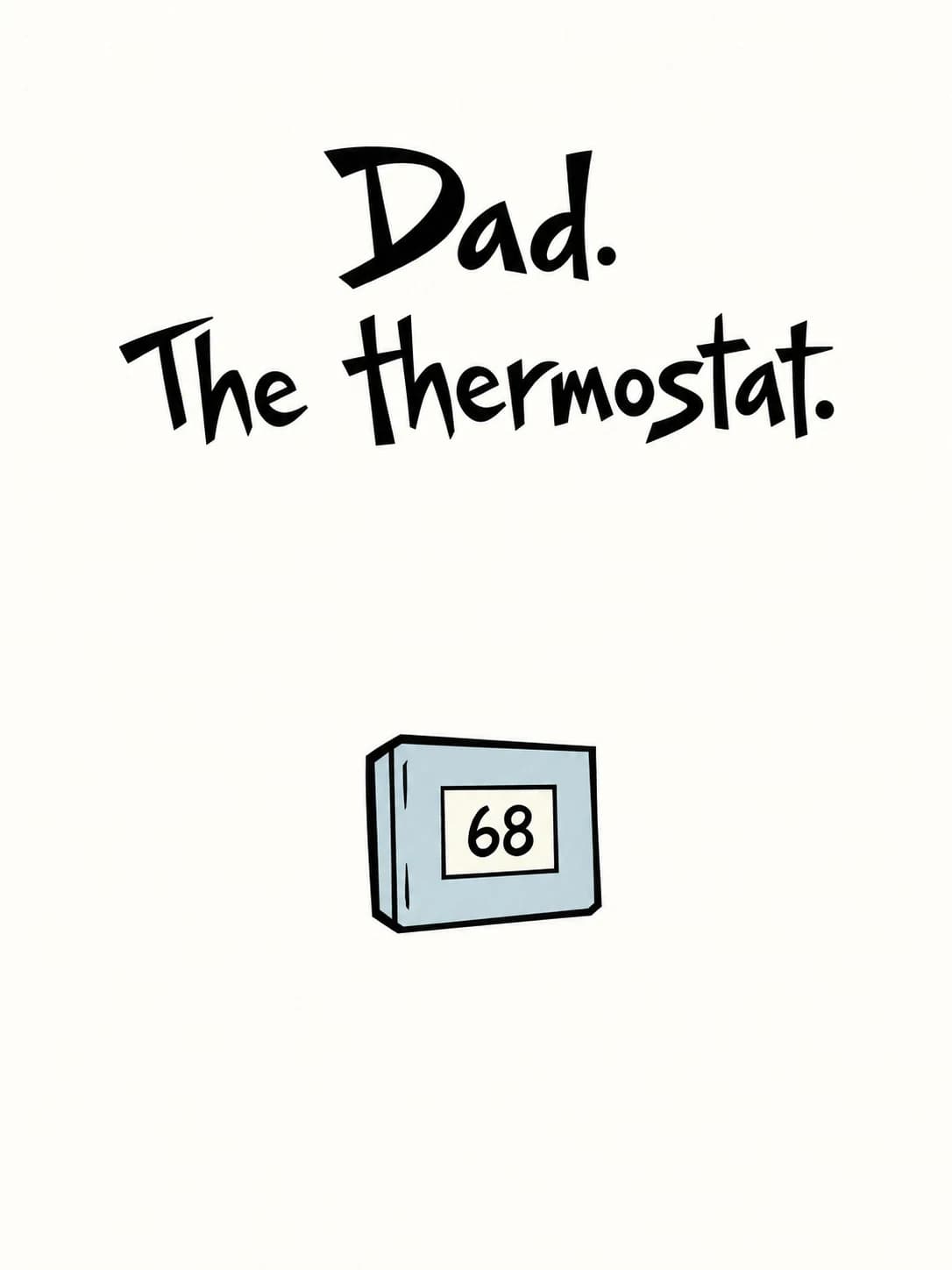
Dad. The thermostat.
The Thermostat
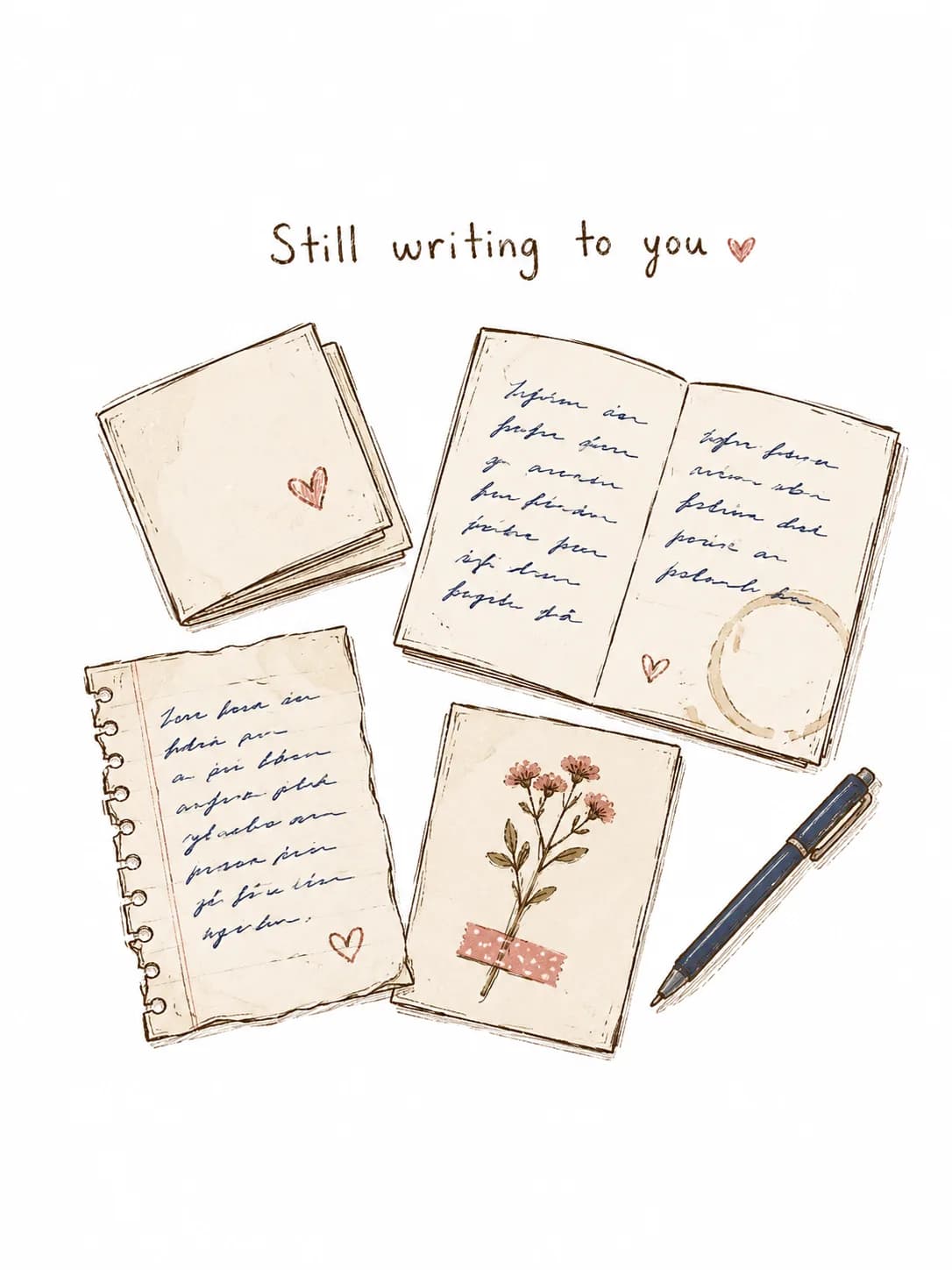
Still writing to you
Love Letters
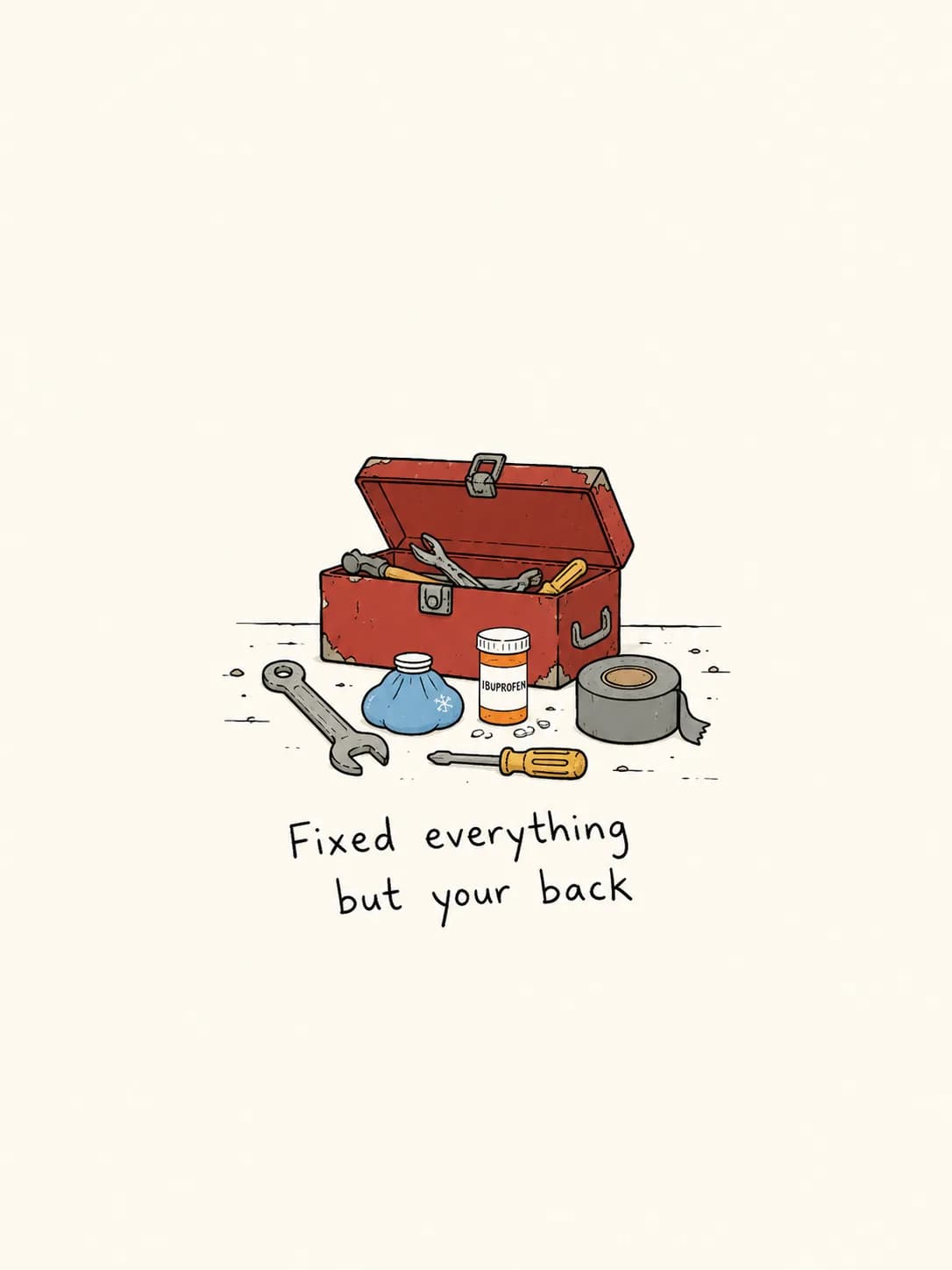
Fixed everything but your back
Toolbox Dad
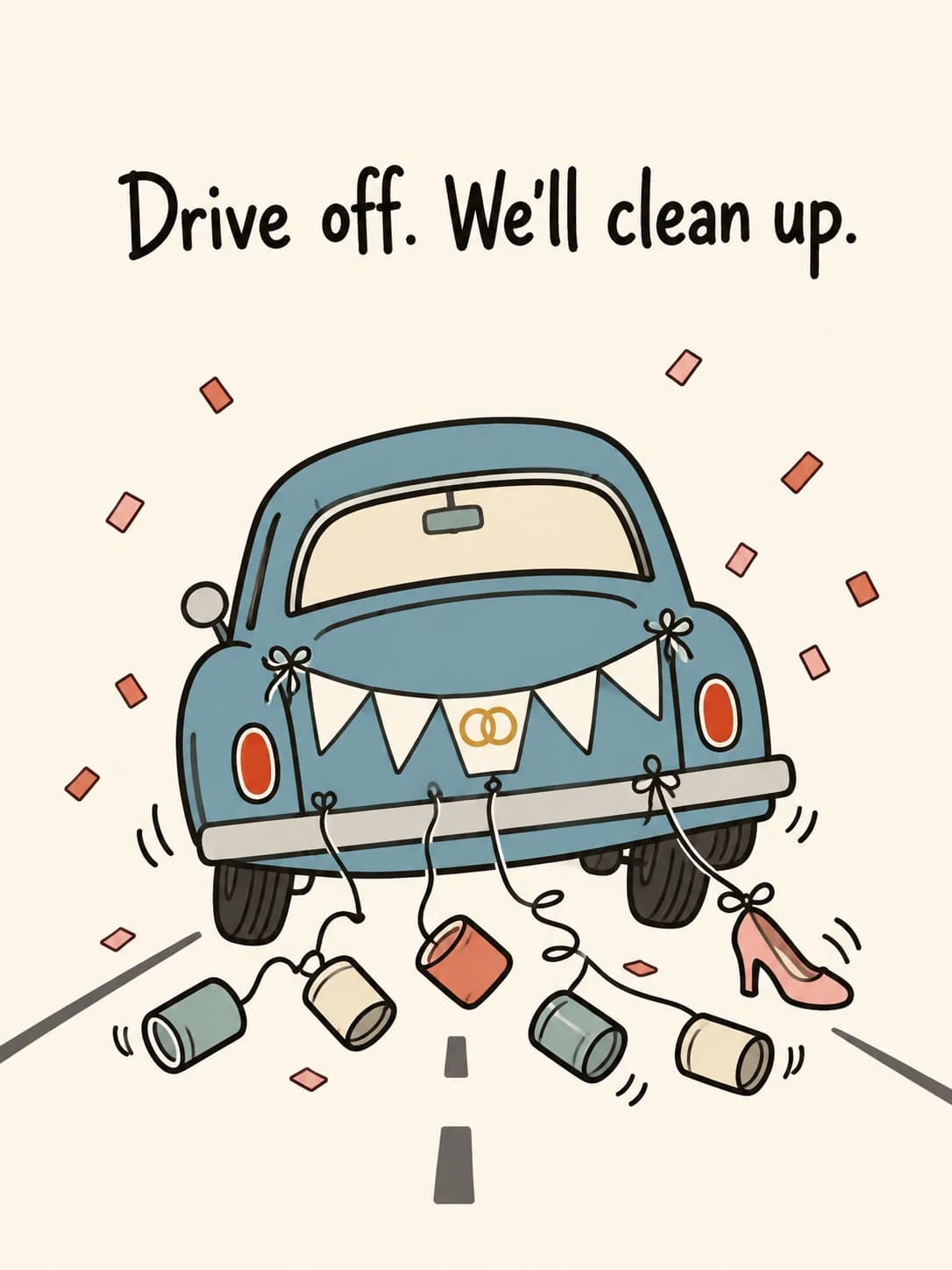
Drive off. We'll clean up.
Getaway Car
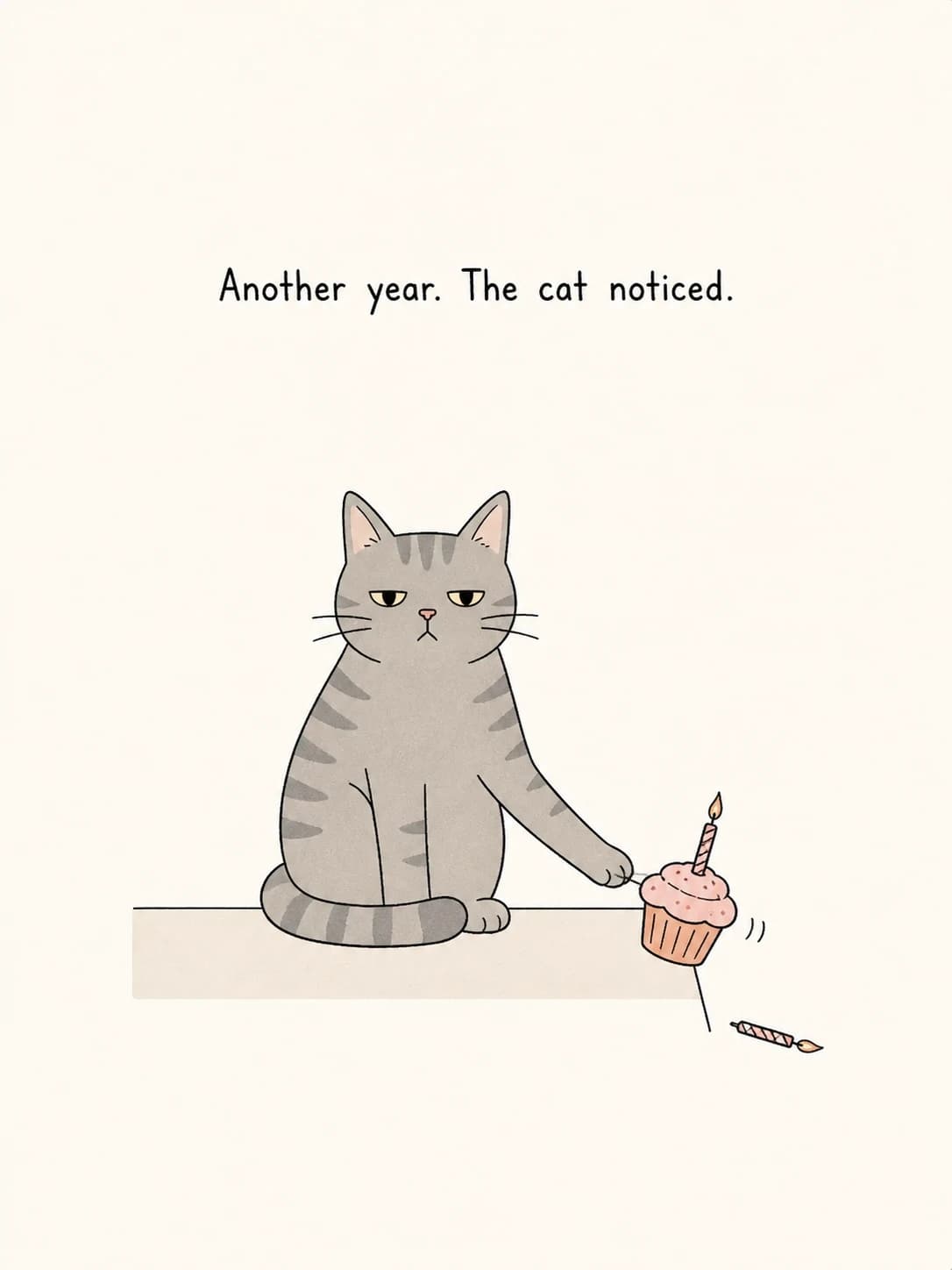
Another year. The cat noticed.
Cat Judges You
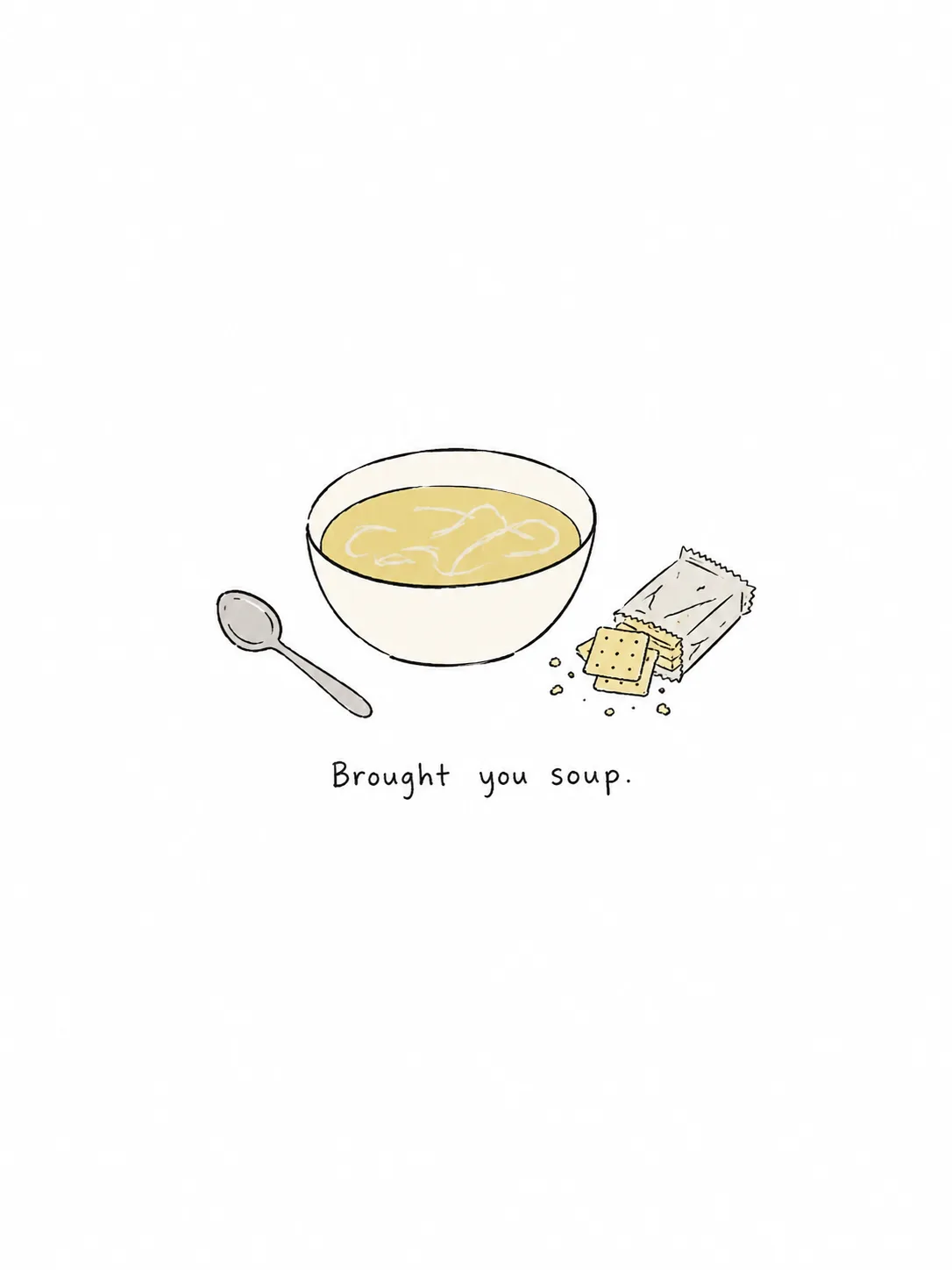
Brought you soup.
Just Soup
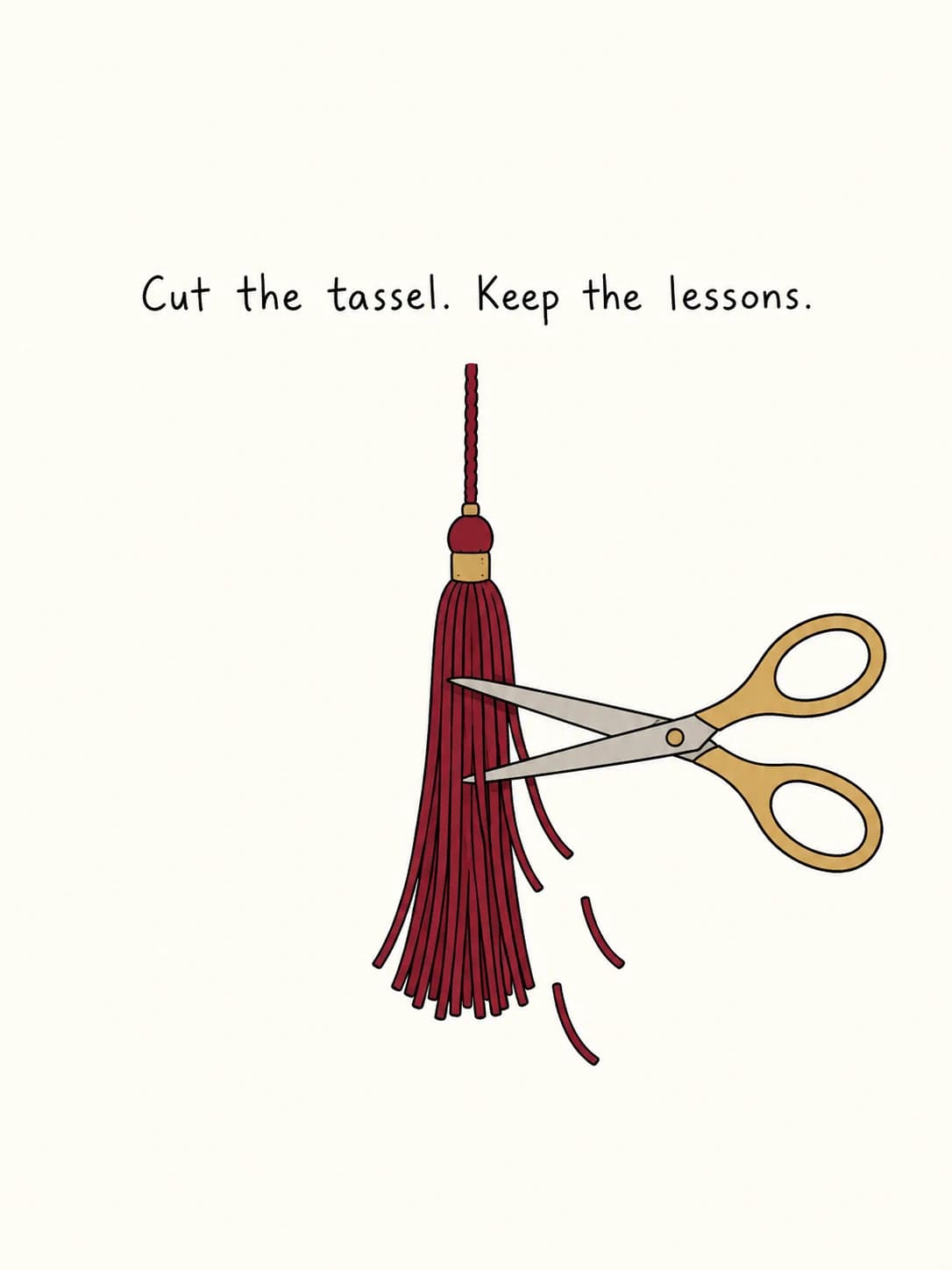
Cut the tassel. Keep the lessons.
Scissors and Tassel
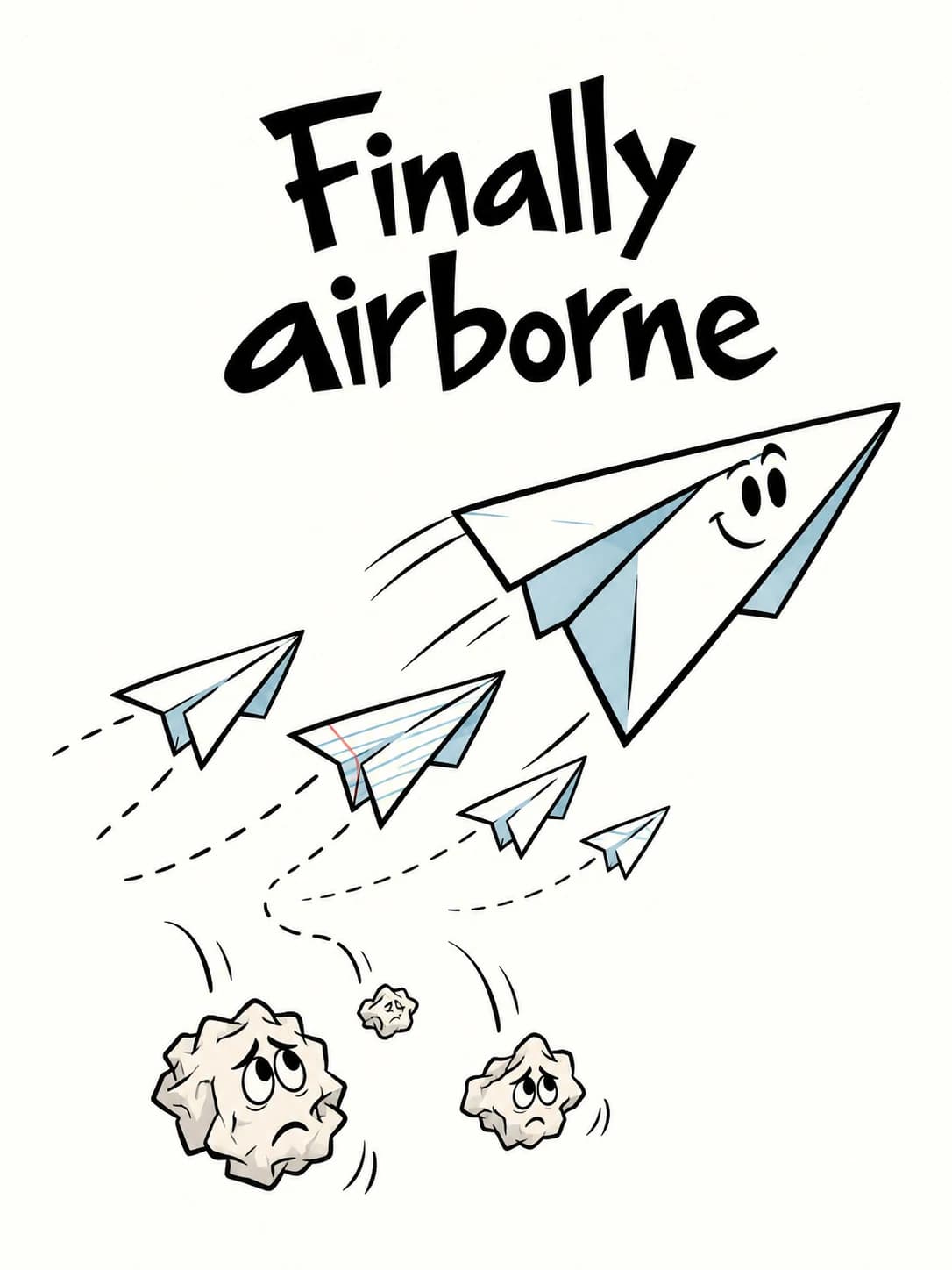
Finally airborne
Paper Airplane Fleet
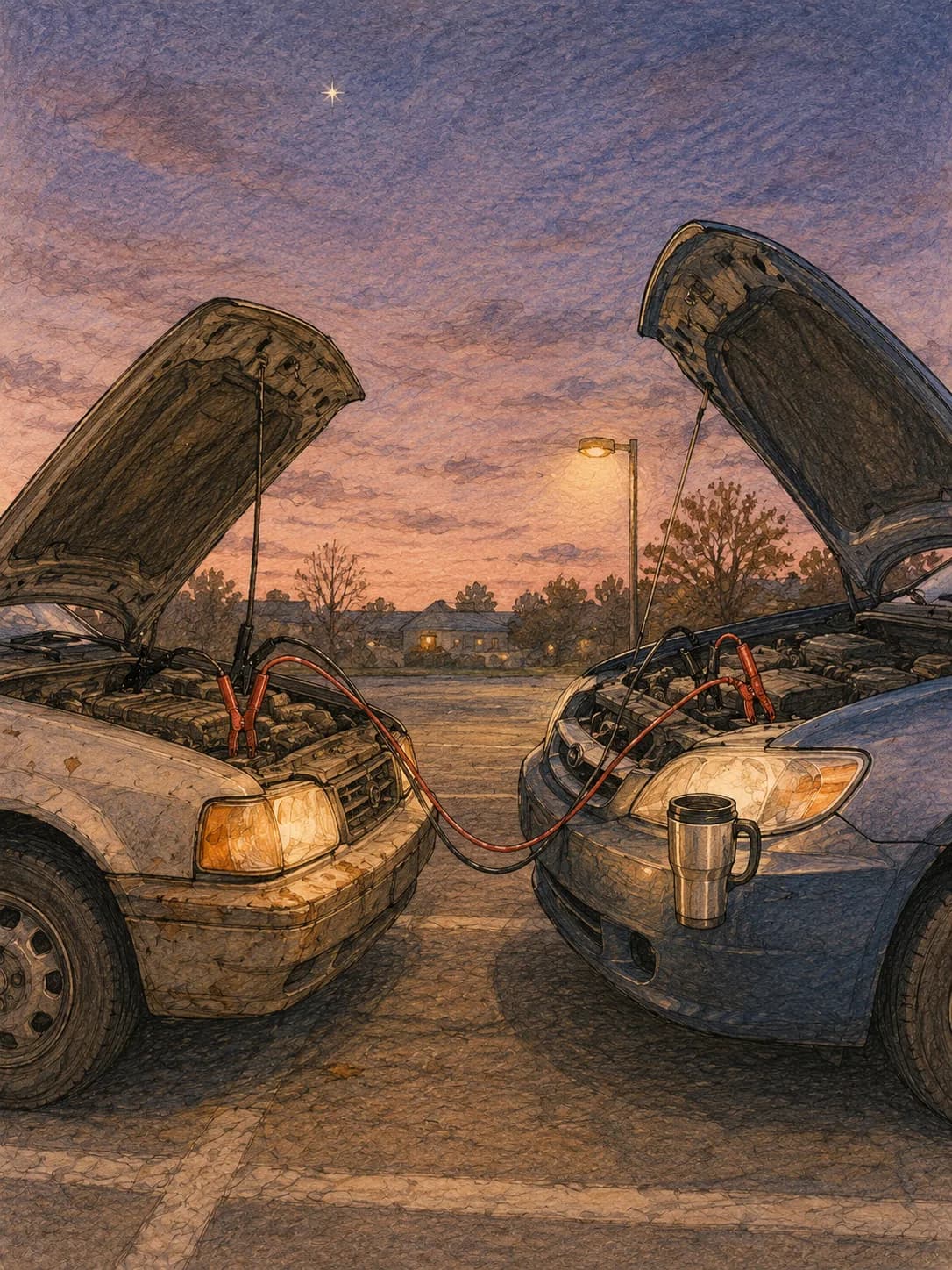
You saved me
Jumper Cables
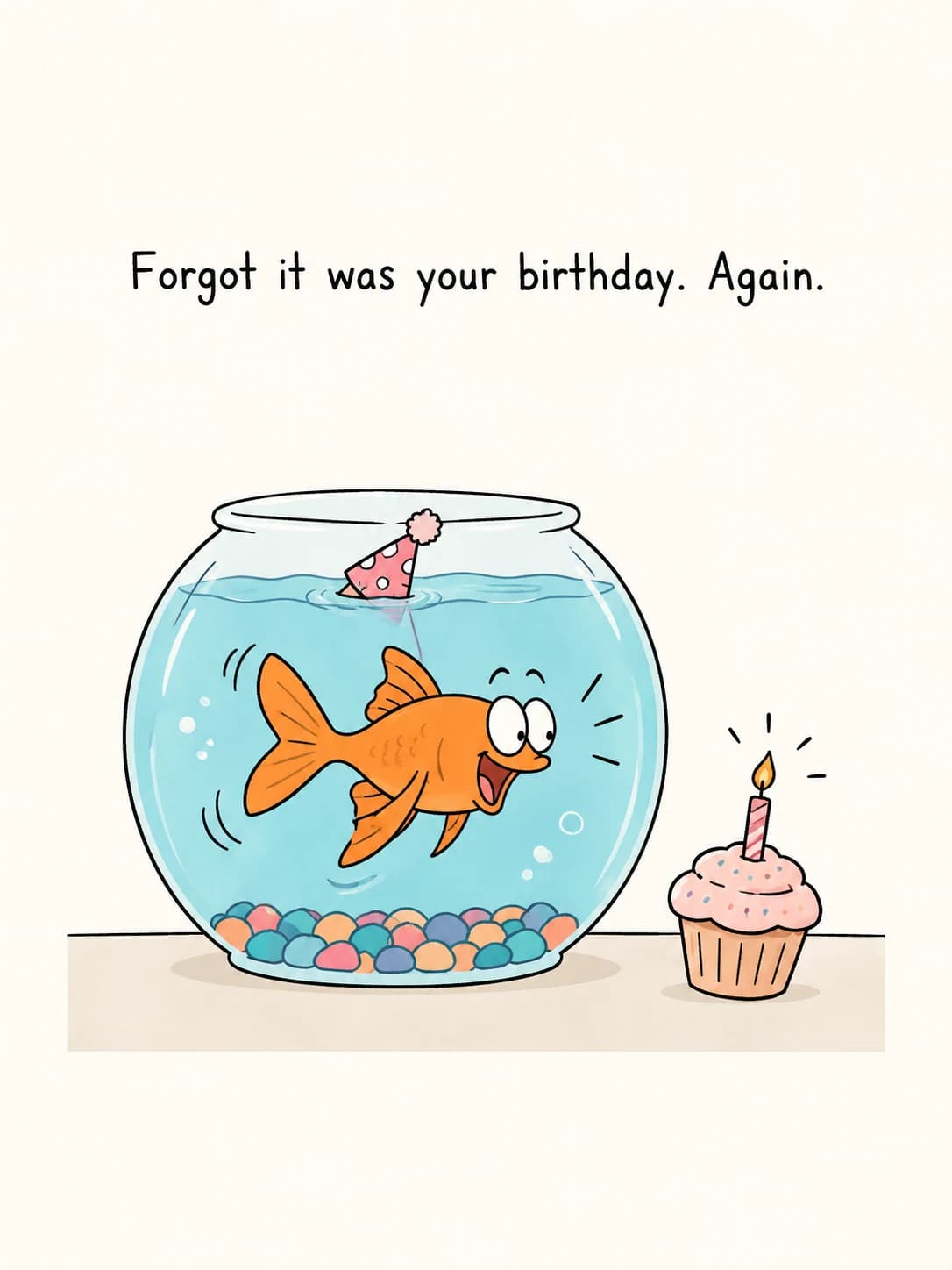
Forgot it was your birthday. Again.
Goldfish Bowl
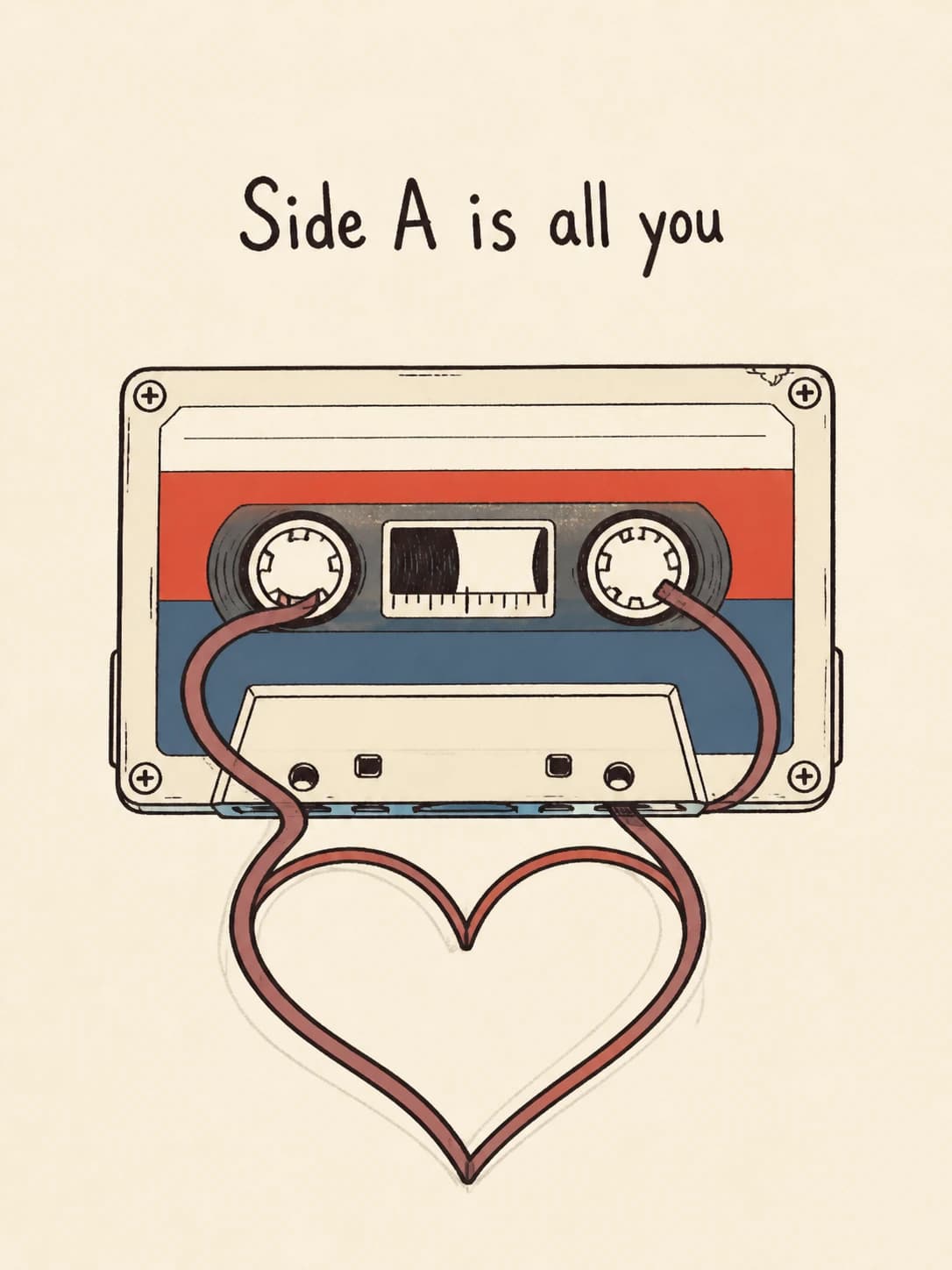
Side A is all you
Mixtape
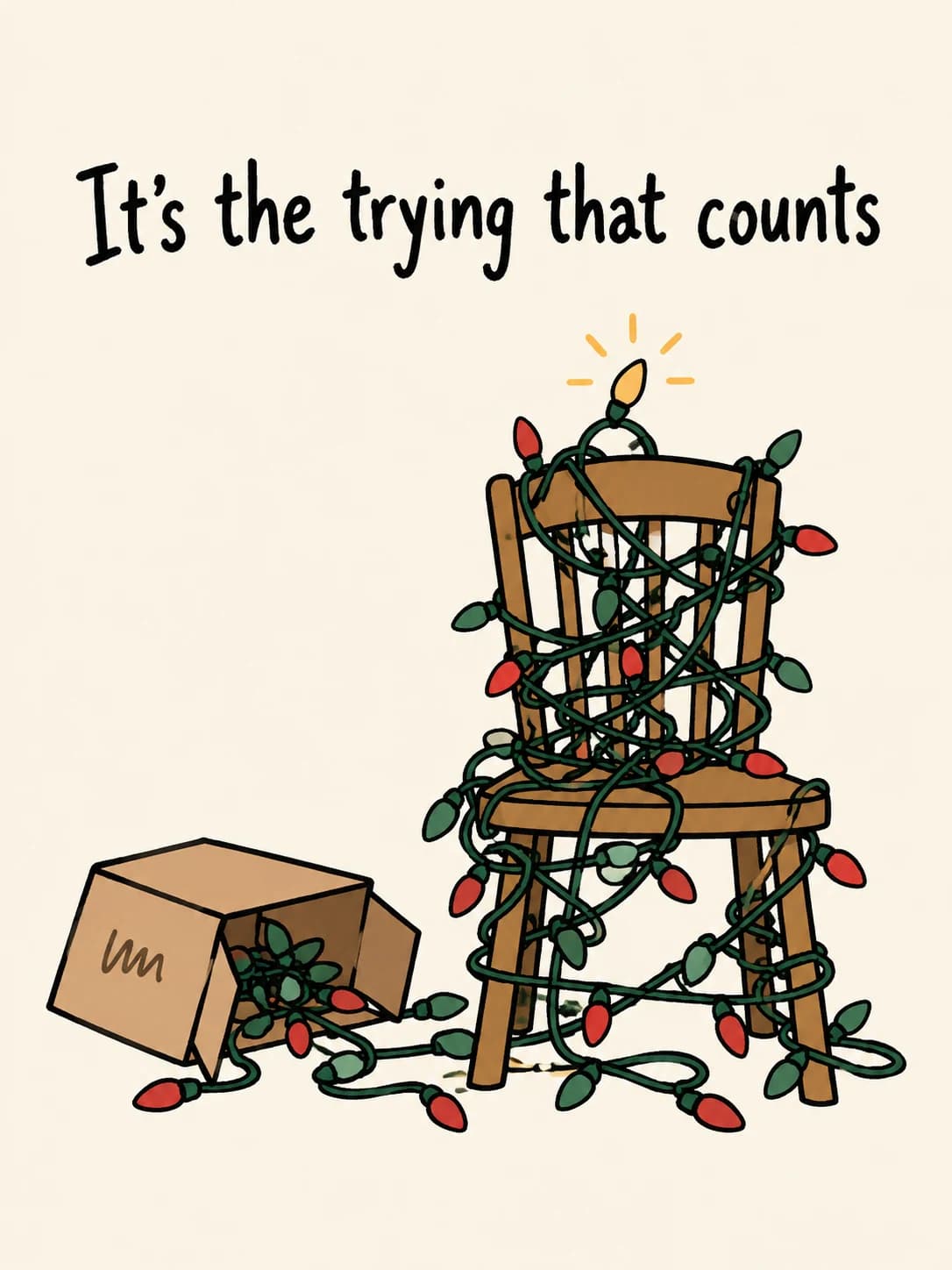
It's the trying that counts
Tangle of Lights
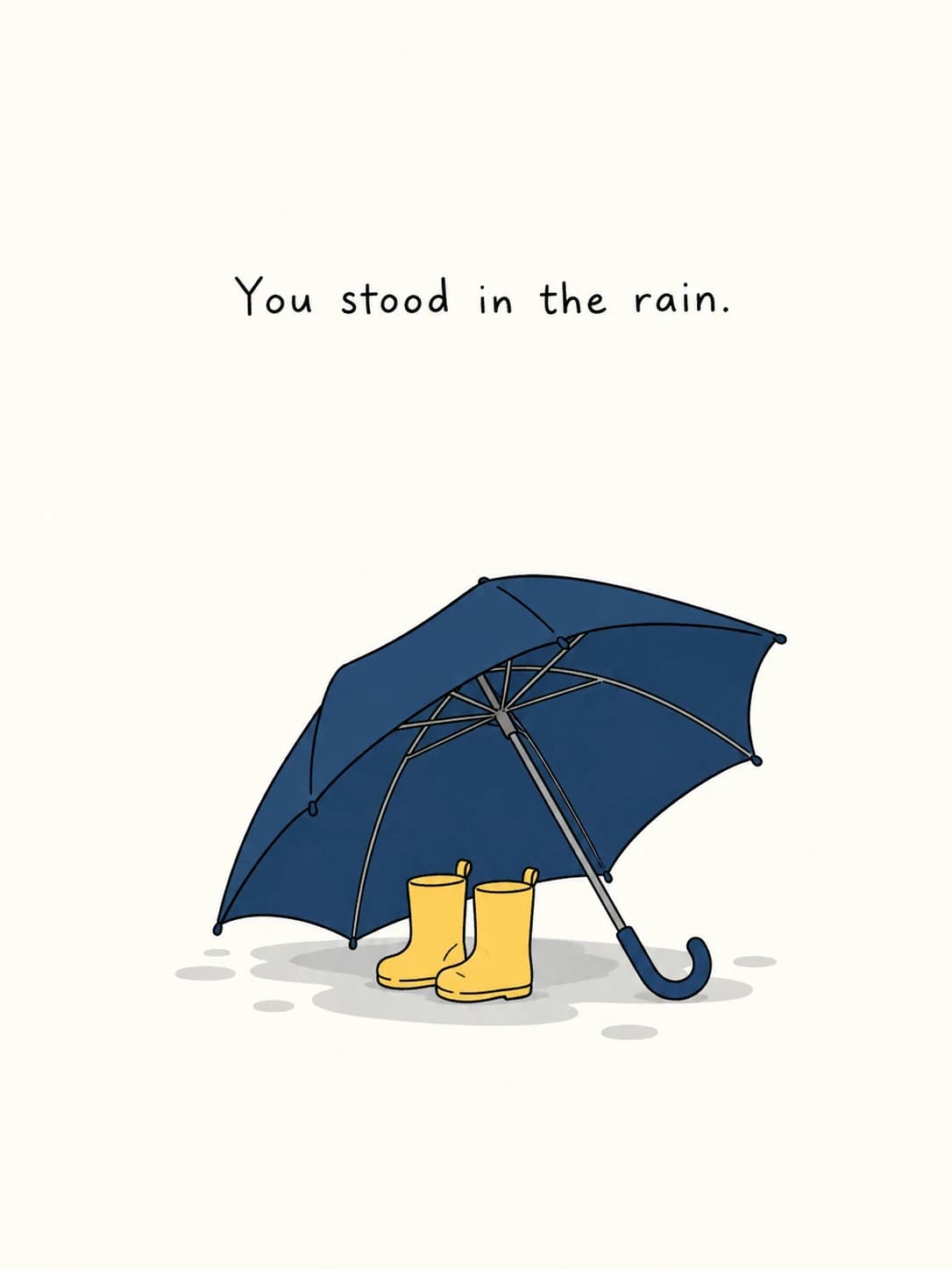
You stood in the rain.
Umbrella
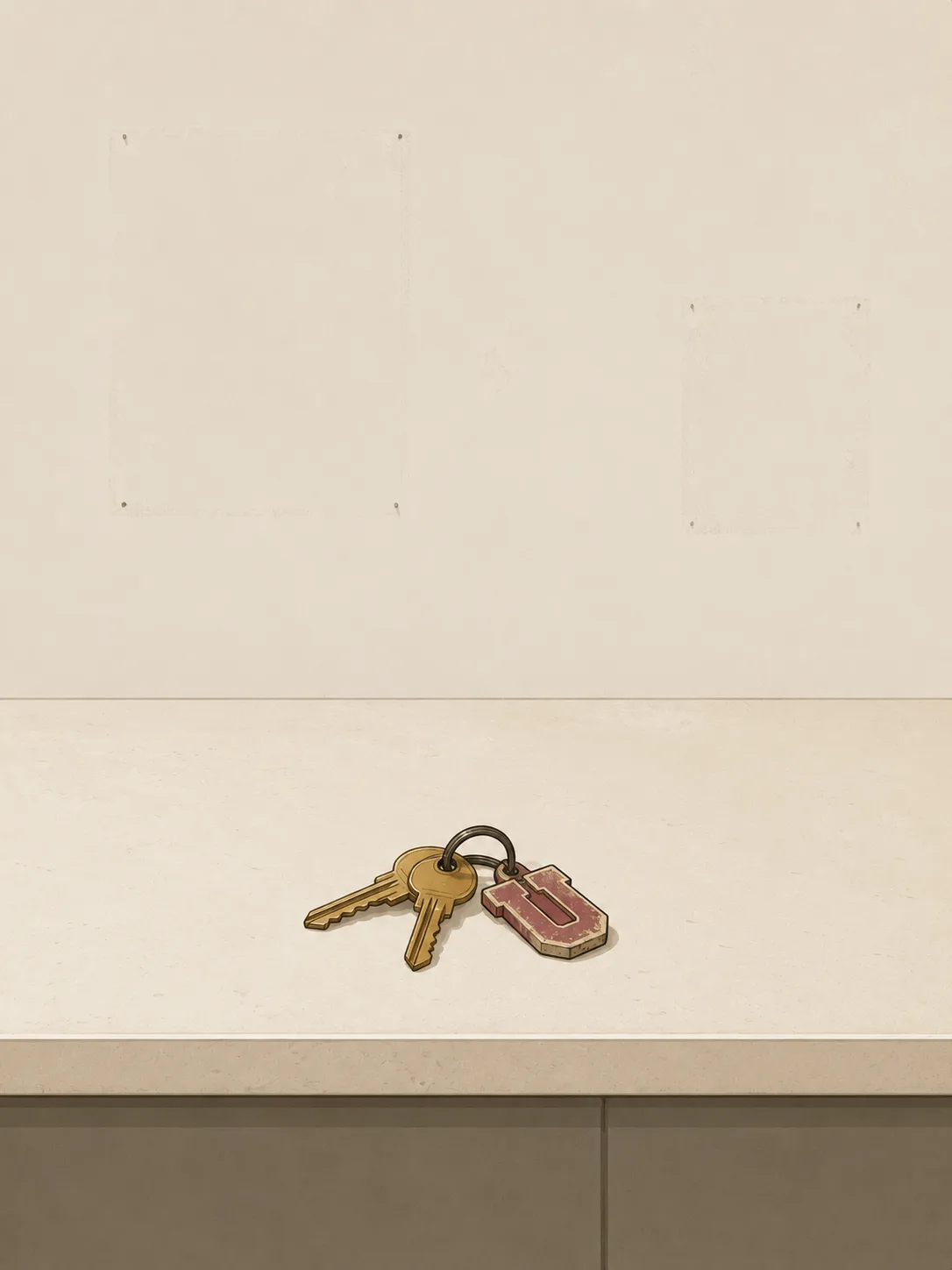
Keys on the counter
Keys Returned
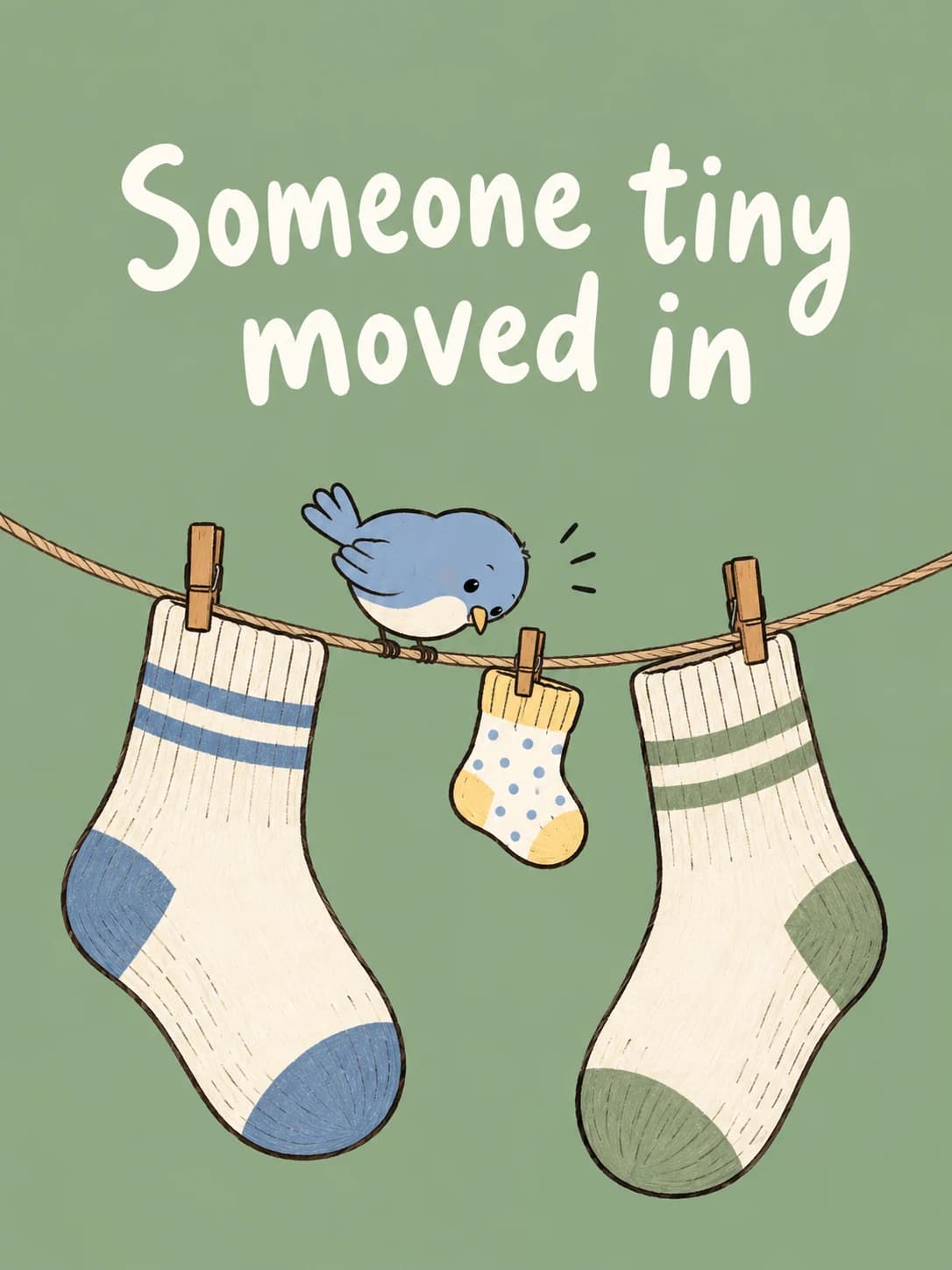
Someone tiny moved in
Tiny Socks
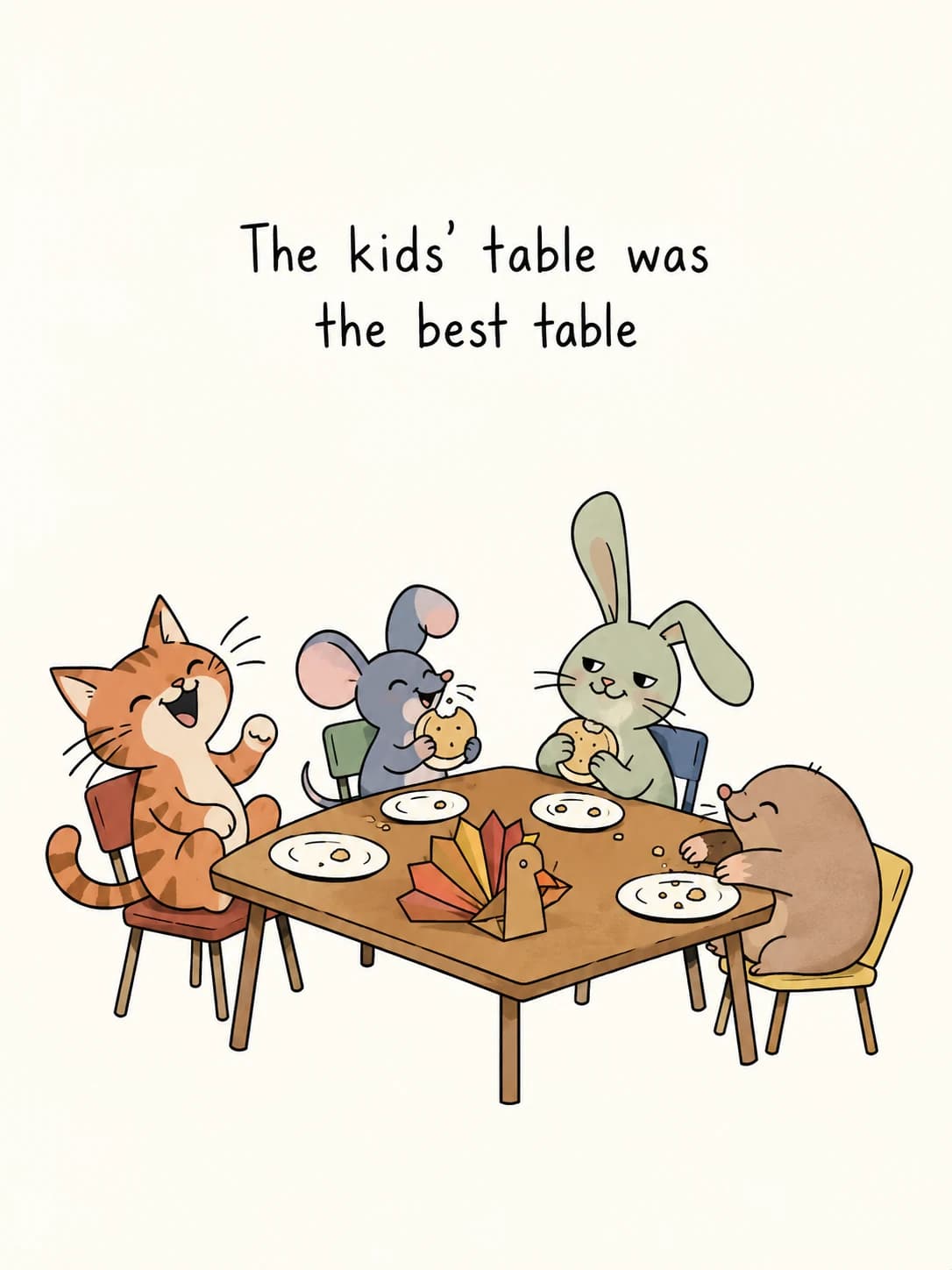
The kids' table was the best table
Kids' Table
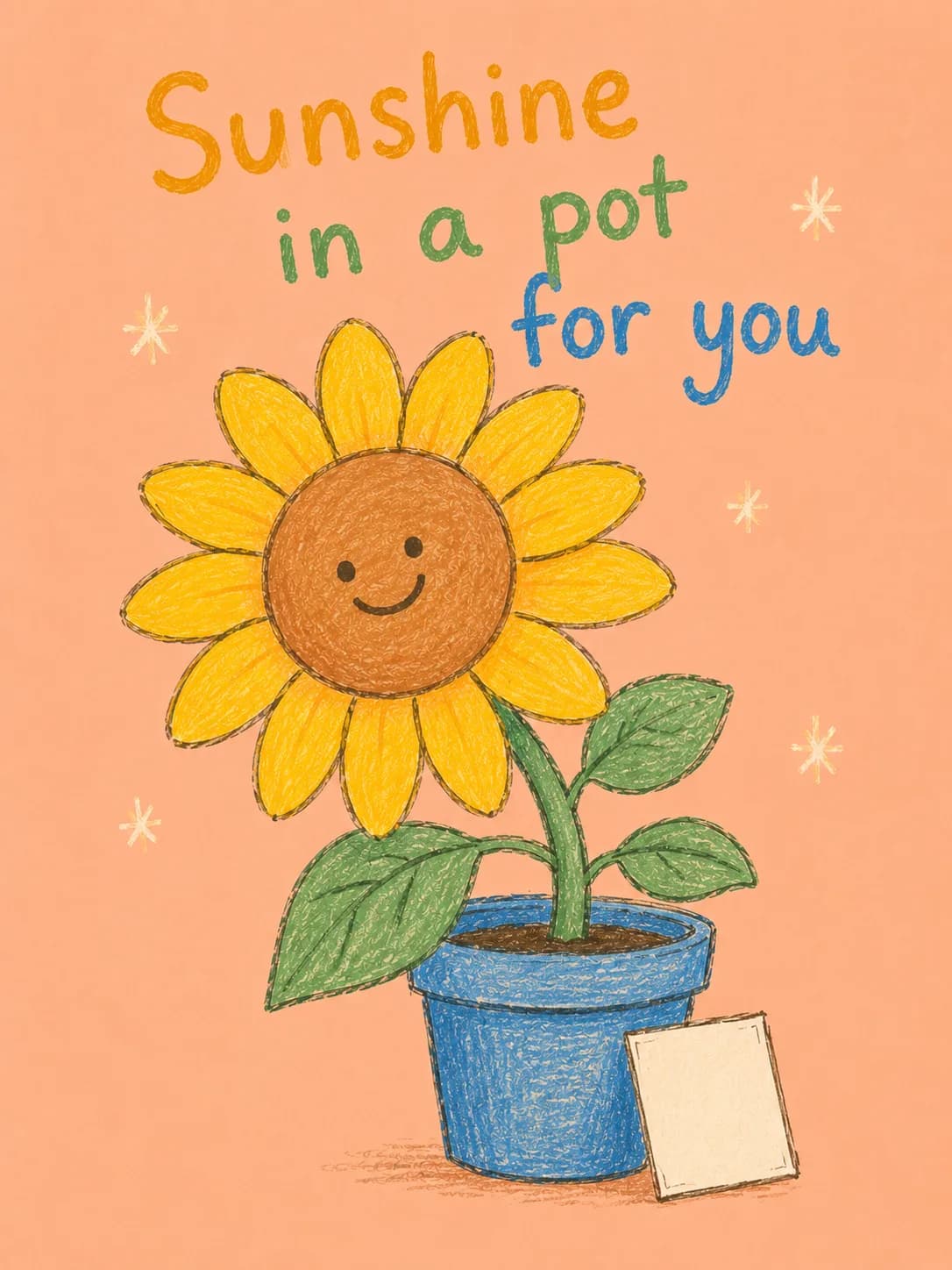
Sunshine in a pot for you
Sunshine & Flowers
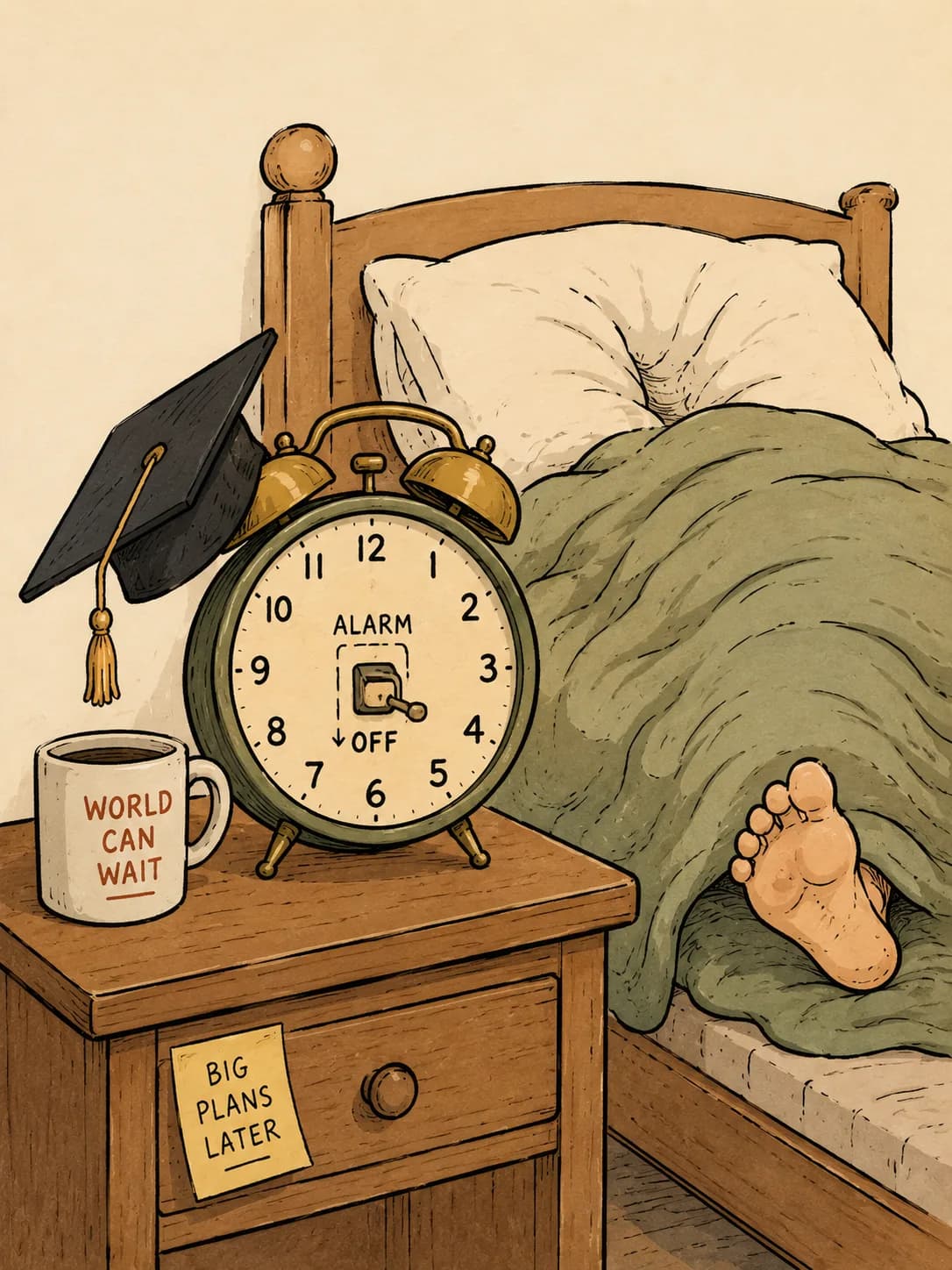
No more 8 AMs
Alarm Off
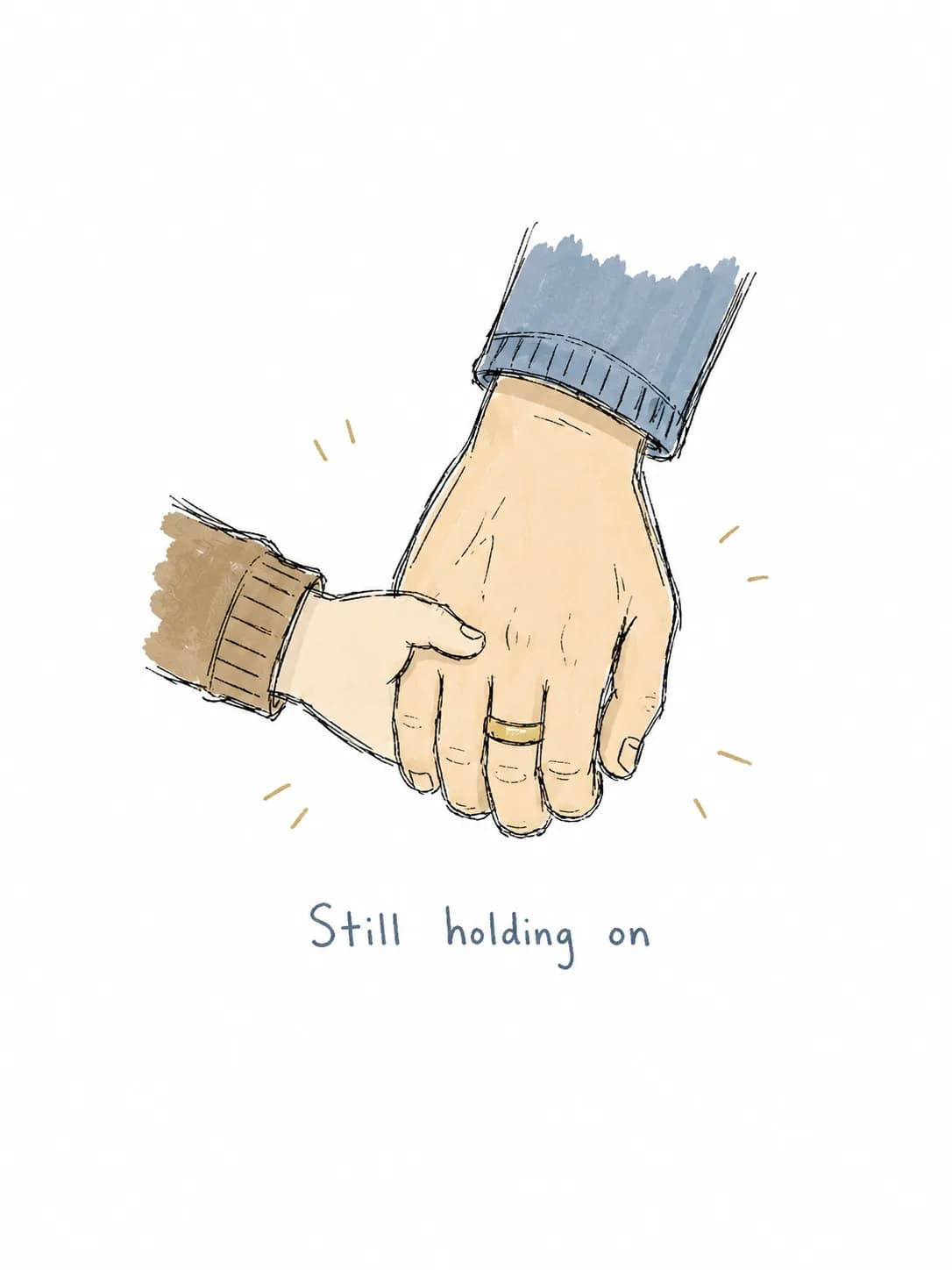
Still holding on
Holding Hands
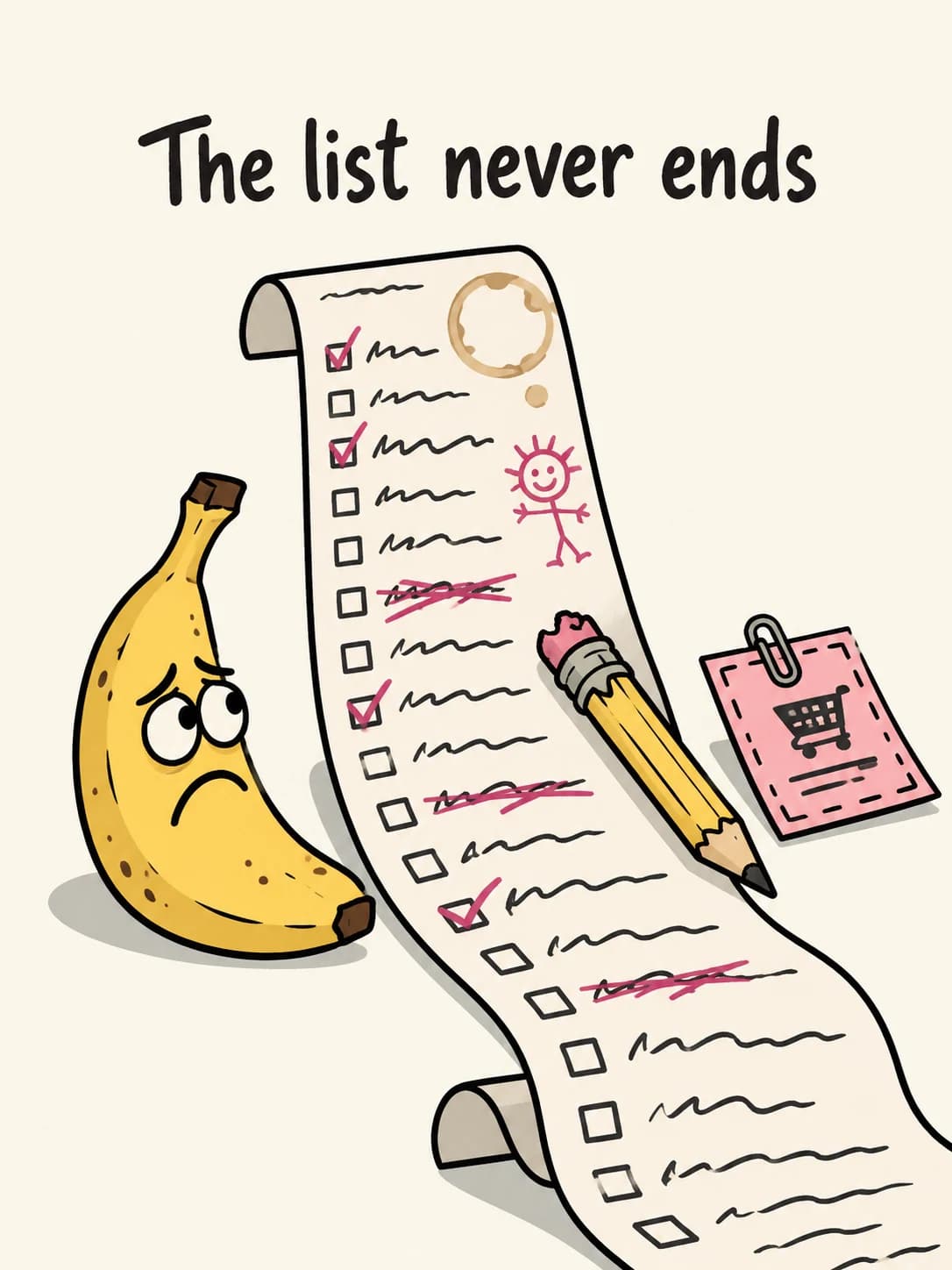
The list never ends
Grocery List

Fancy paper, fancy tube
Diploma Tube
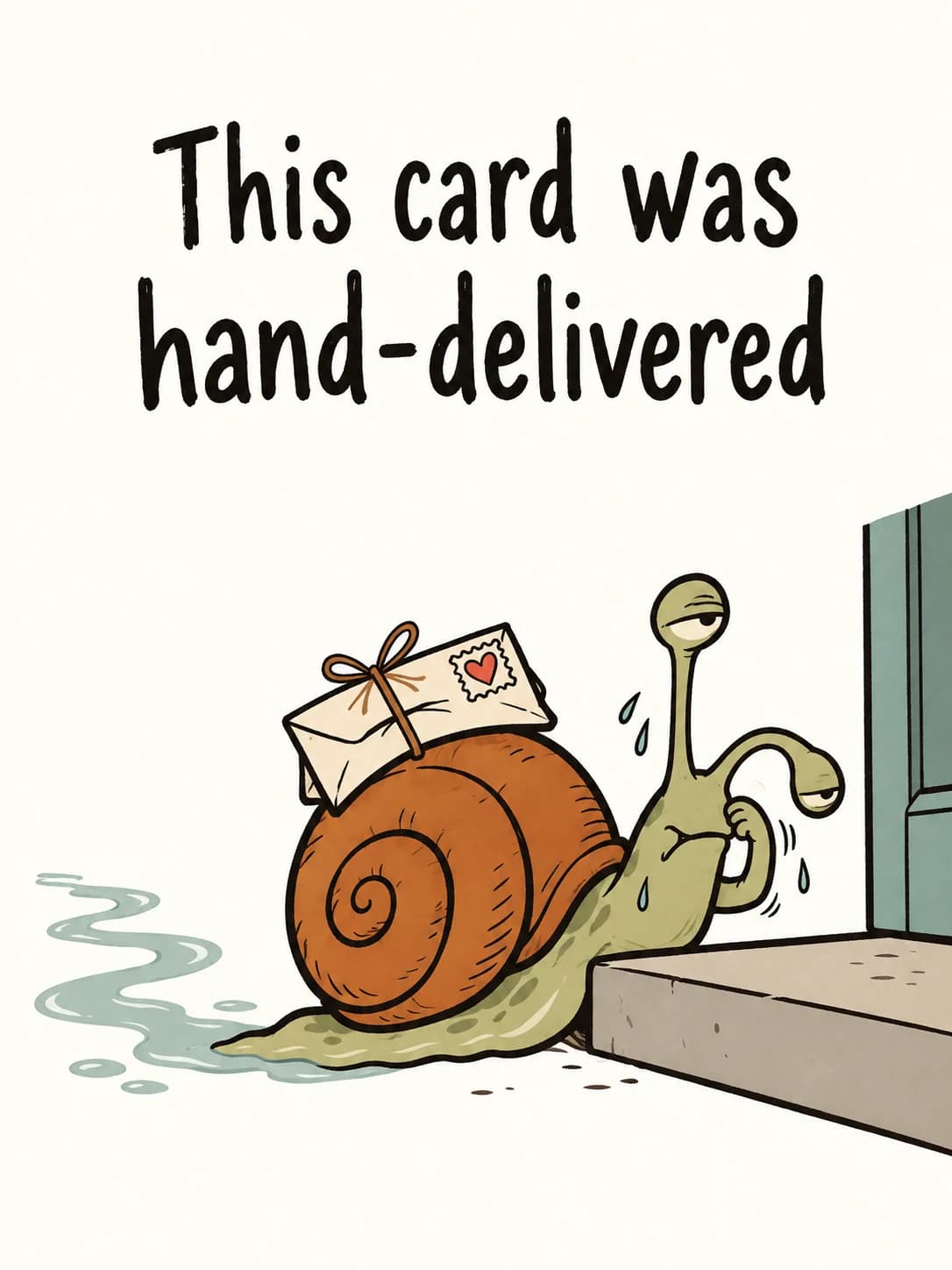
This card was hand-delivered
Snail Mail
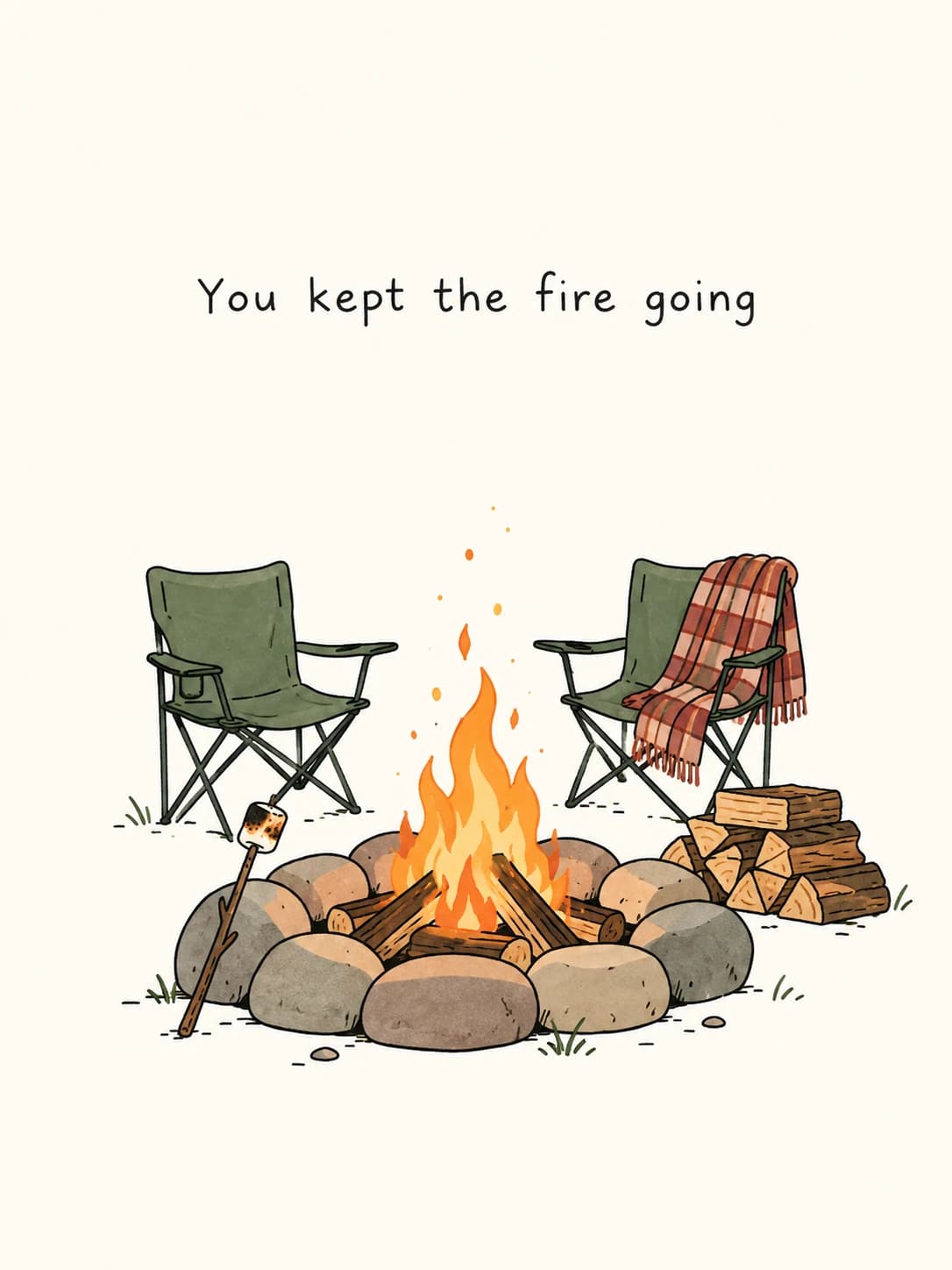
You kept the fire going
Campfire
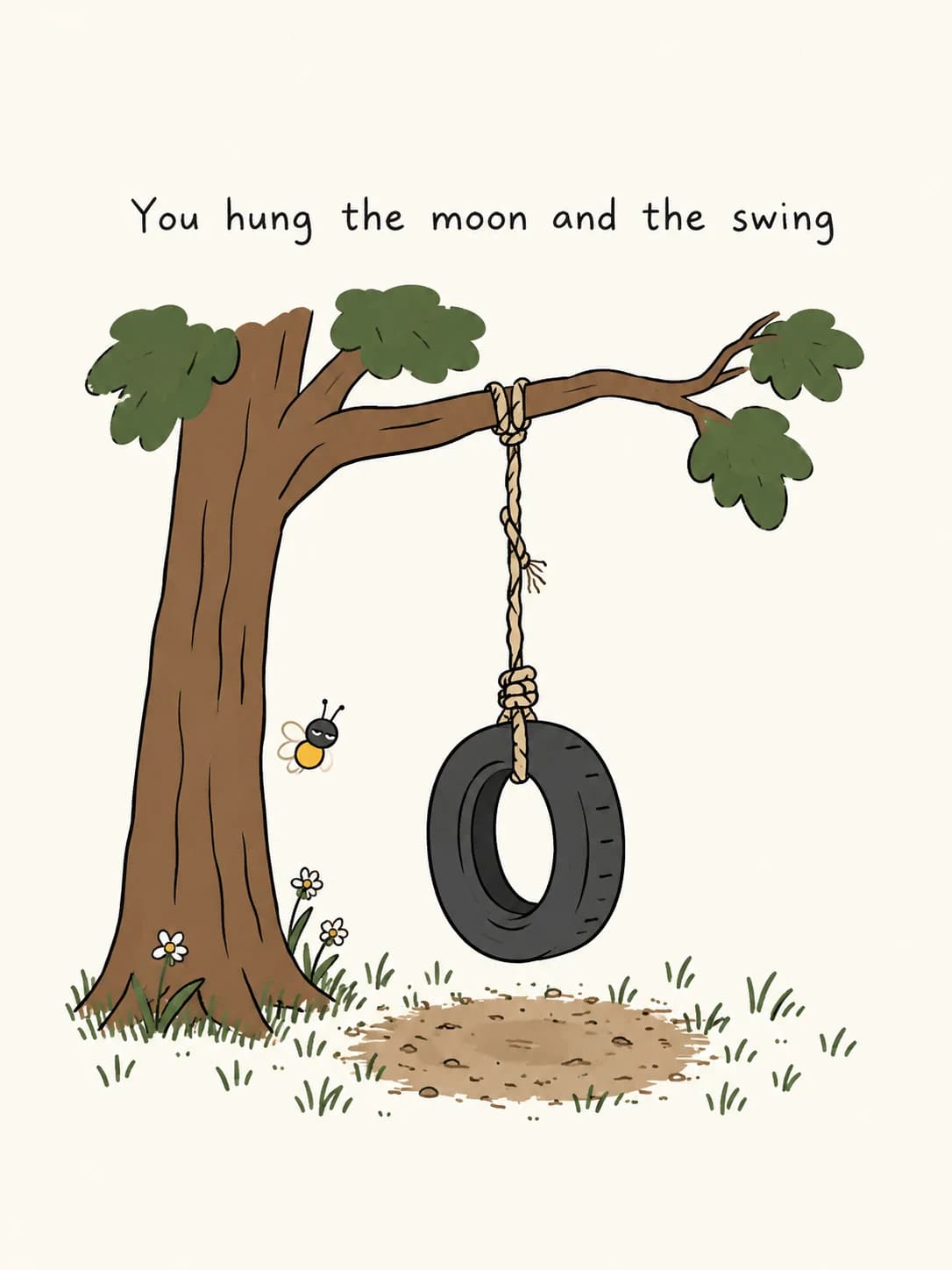
You hung the moon and the swing
Tire Swing
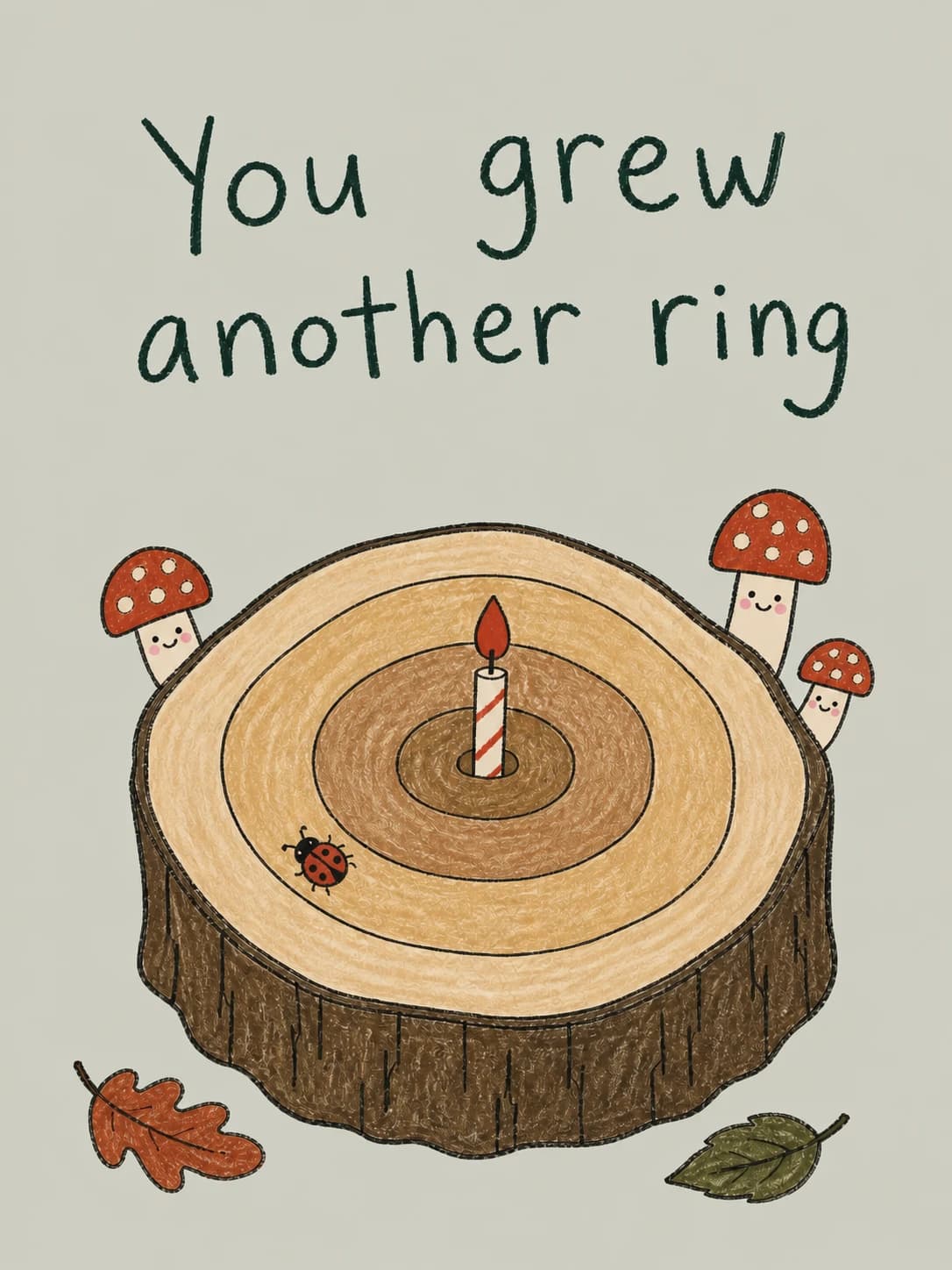
You grew another ring
Another Ring
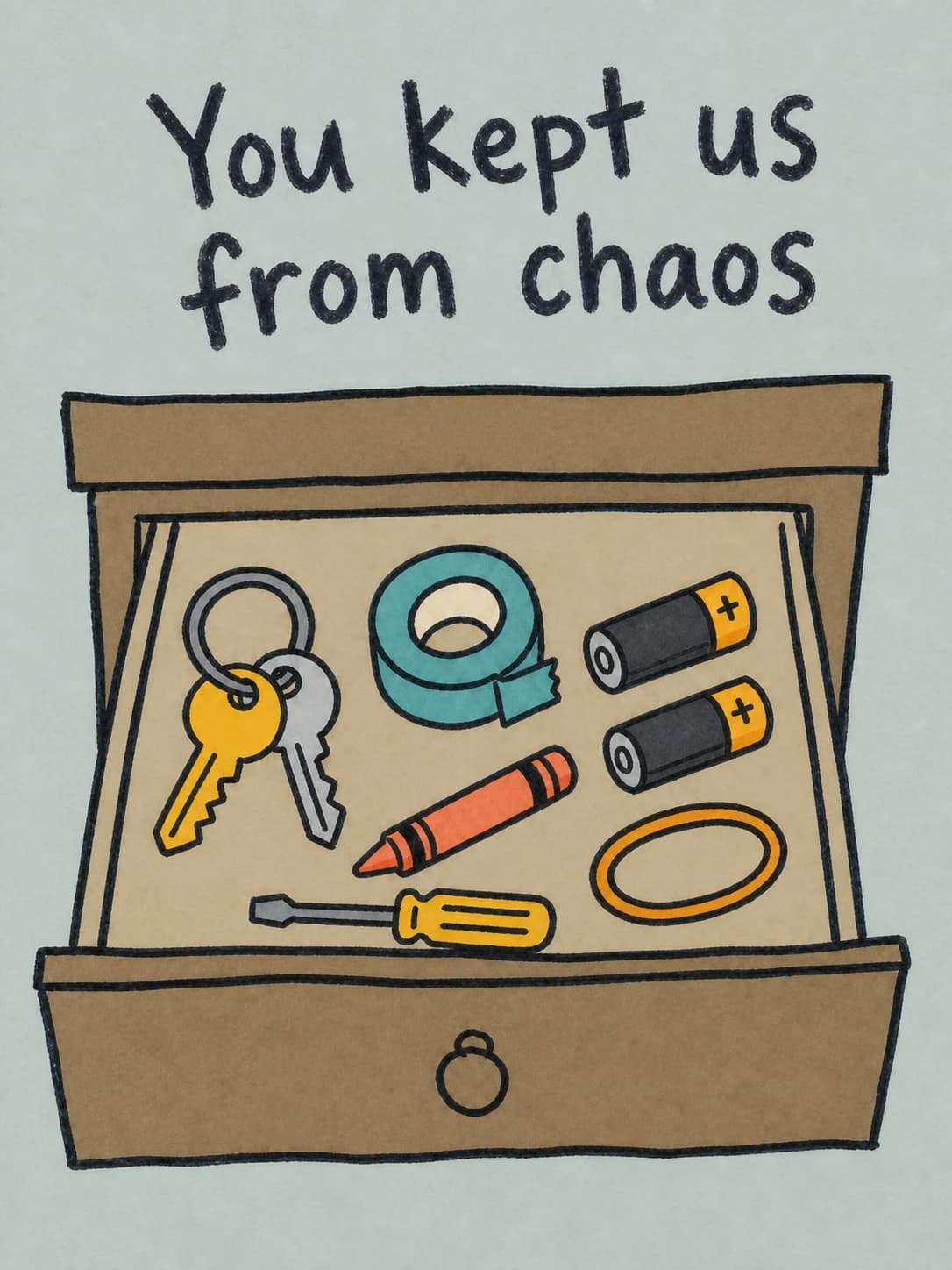
You kept us from chaos
Junk Drawer
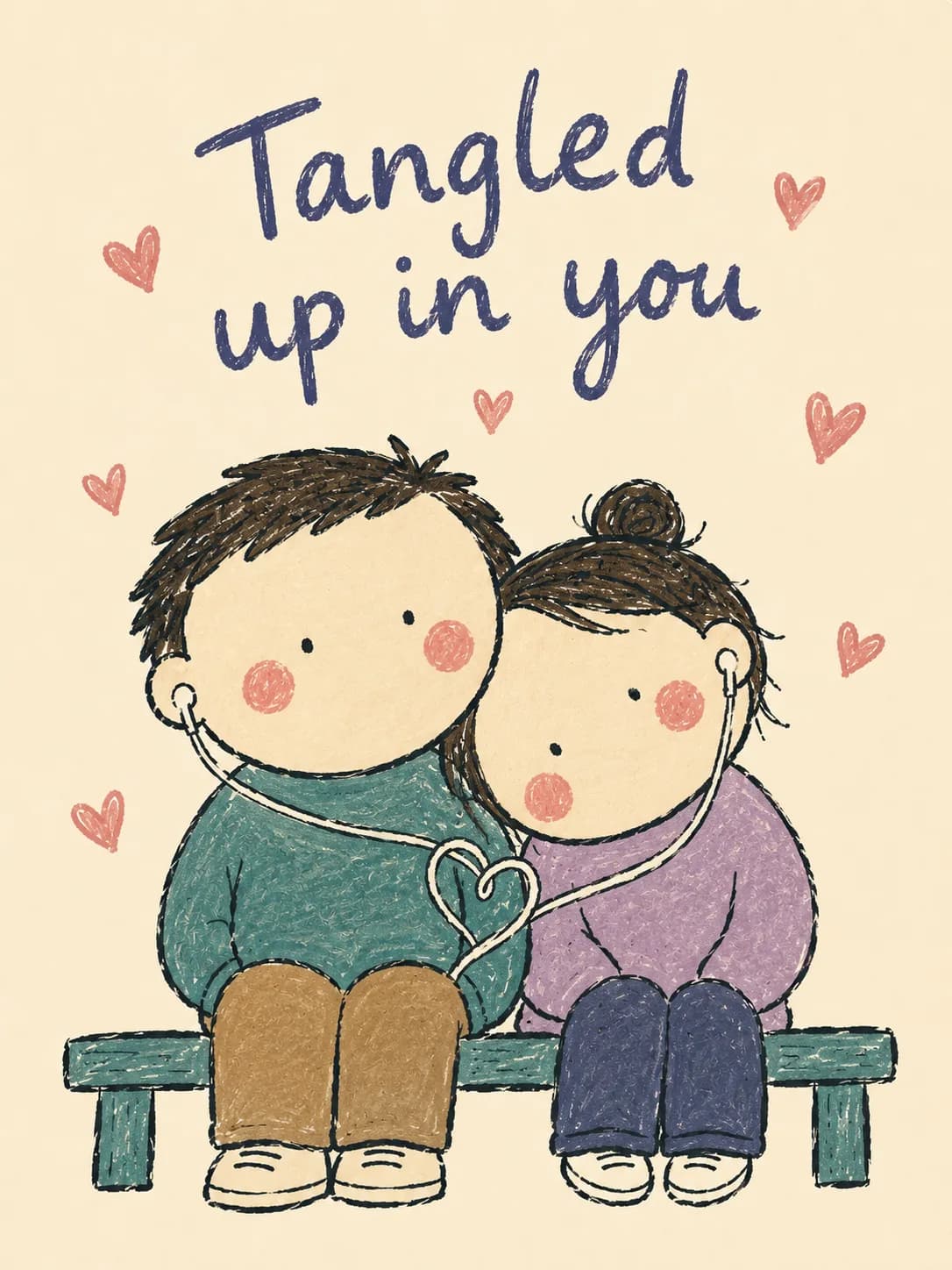
Tangled up in you
Tangled Up
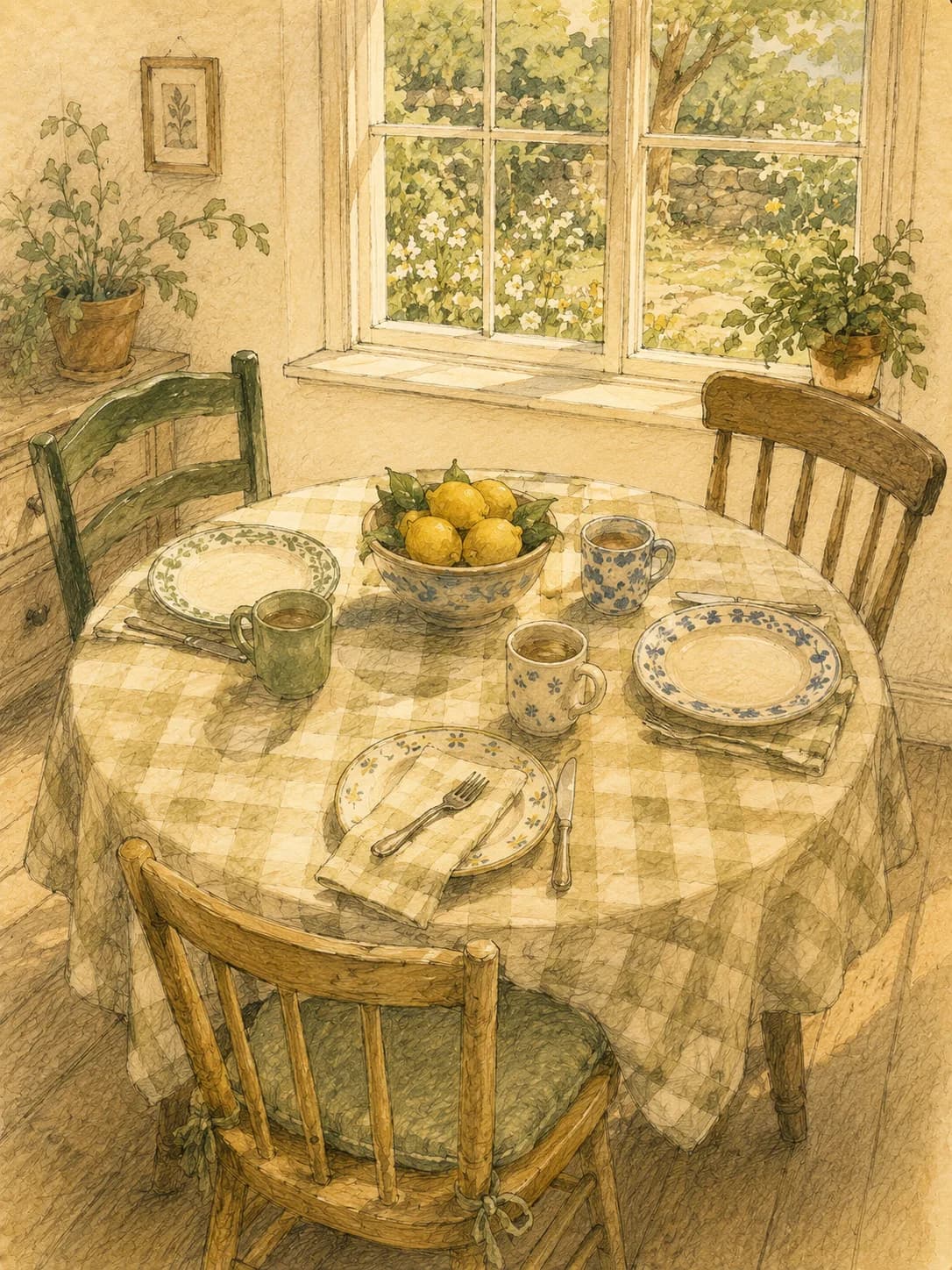
You always pull up an extra chair
Extra Chair
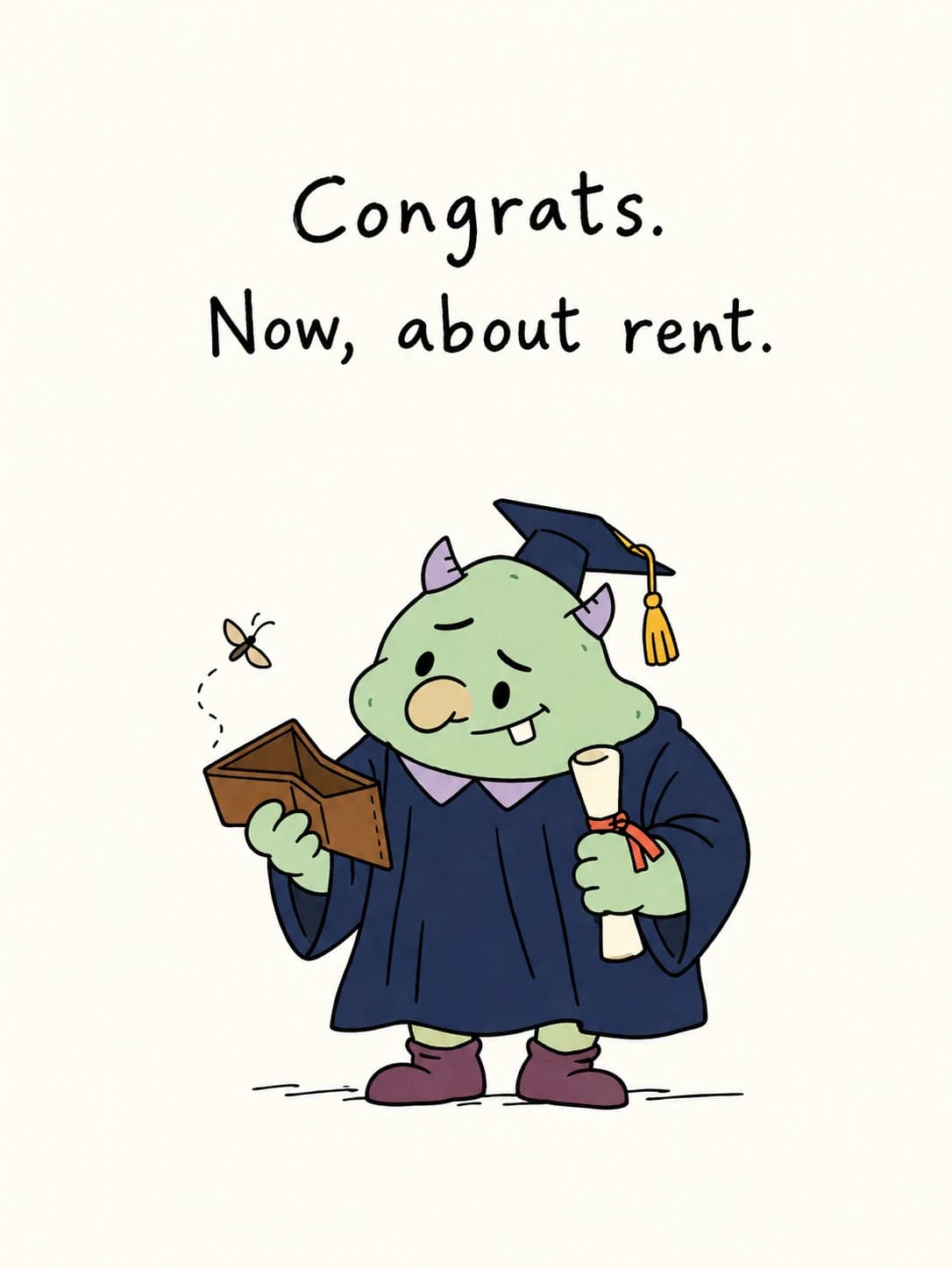
Congrats. Now, about rent.
About Rent
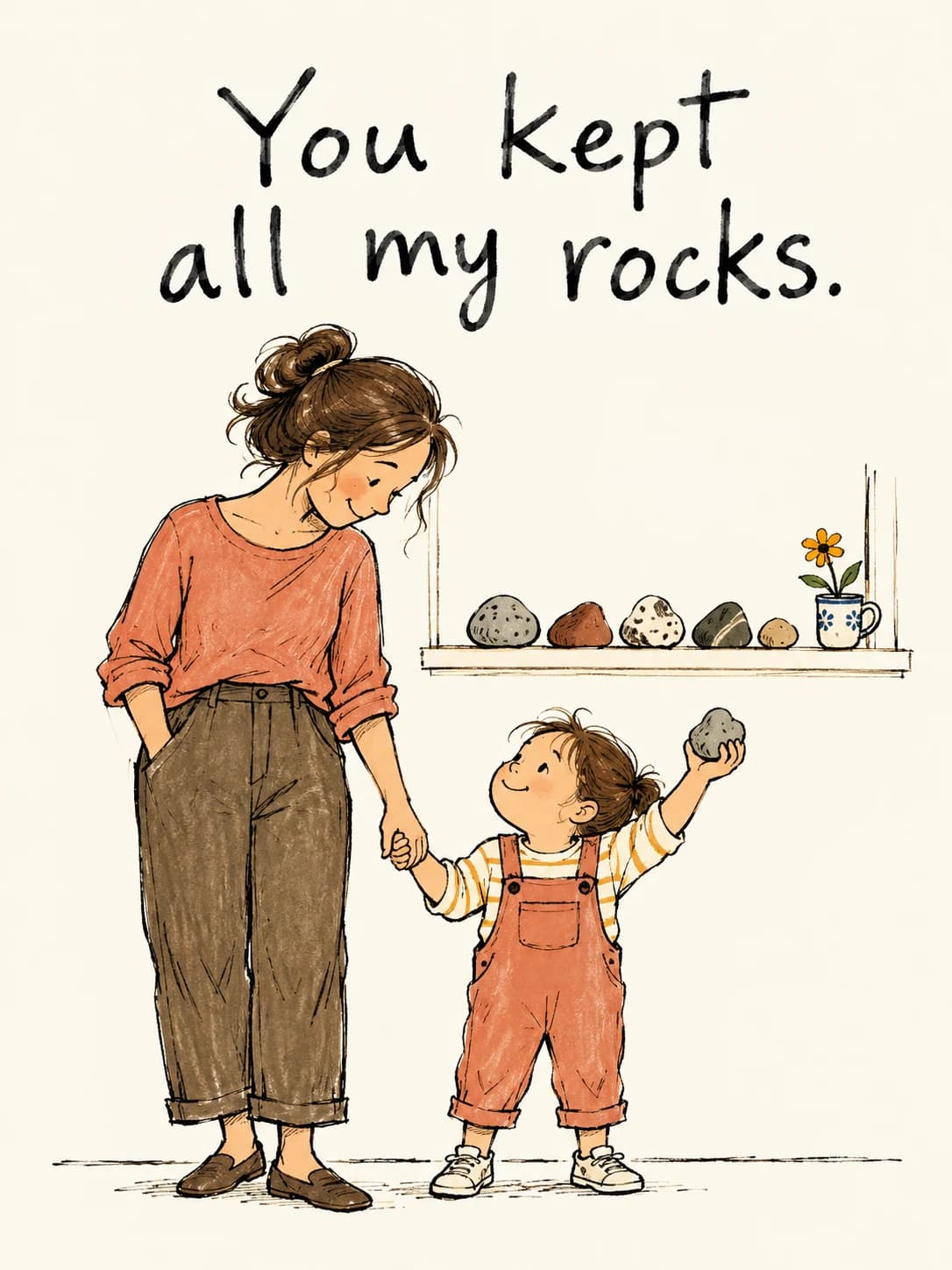
You kept all my rocks.
Pocket Full of Rocks
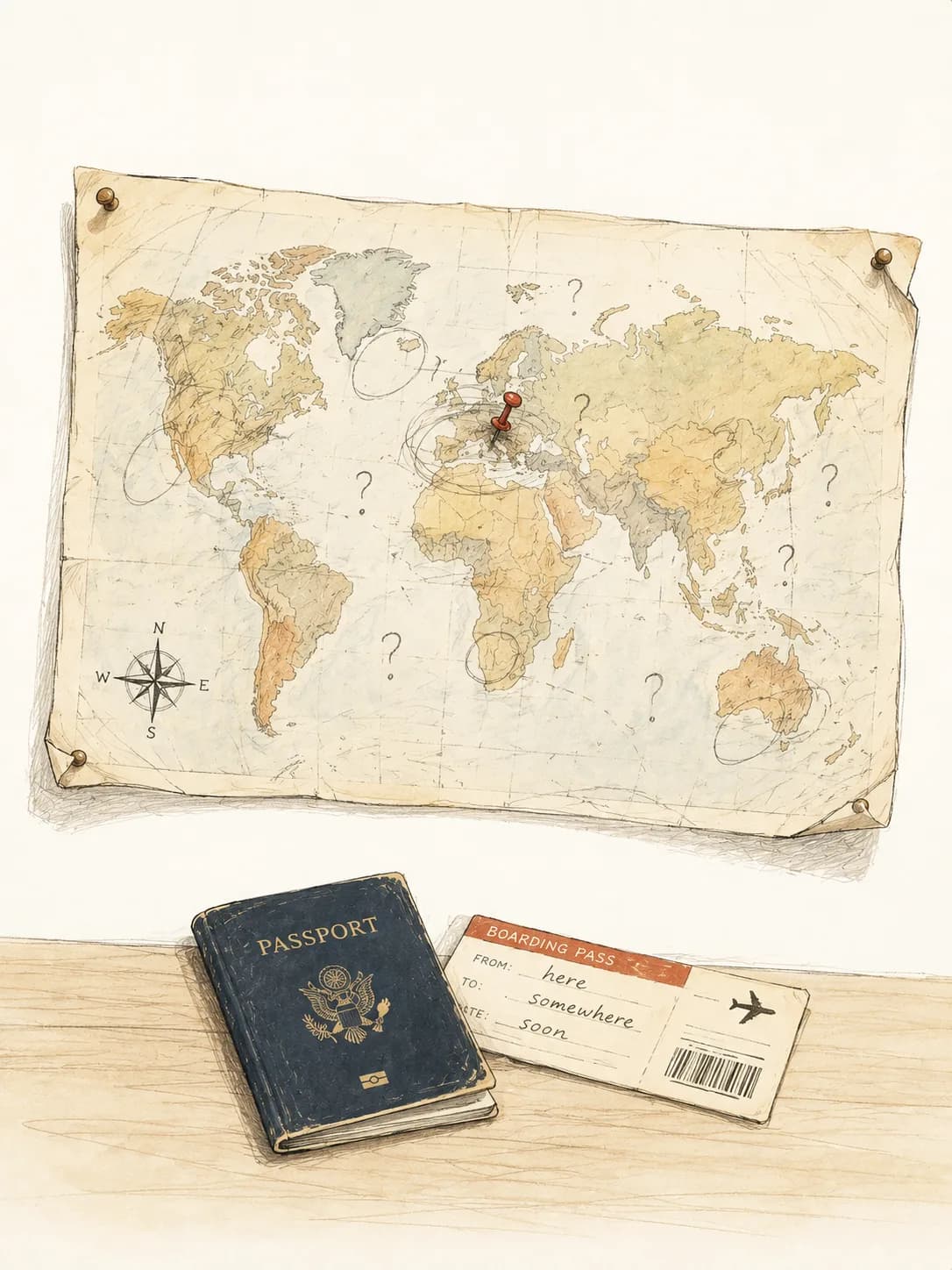
Pick a spot
World Map Pin
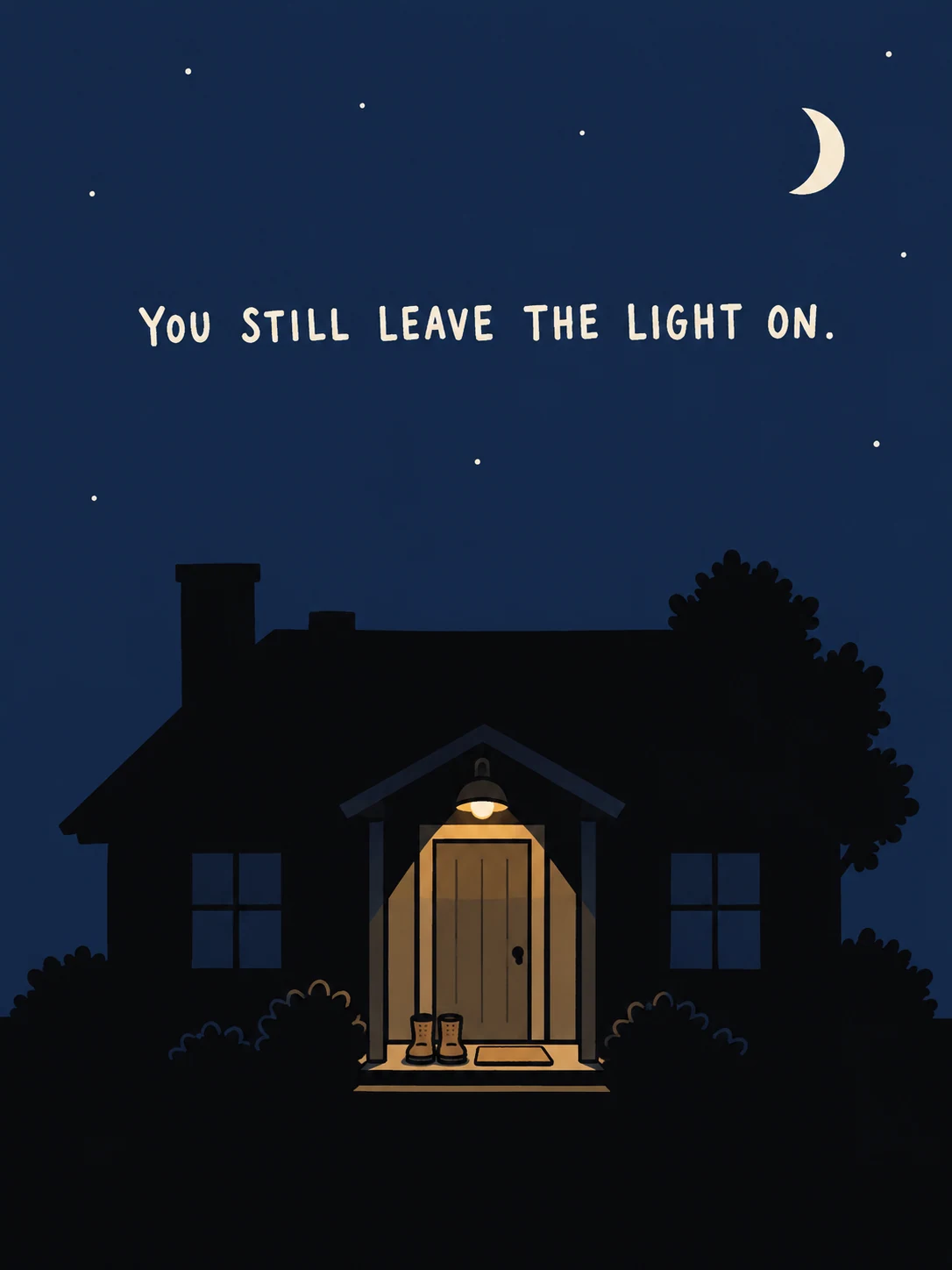
You still leave the light on.
Porch Light
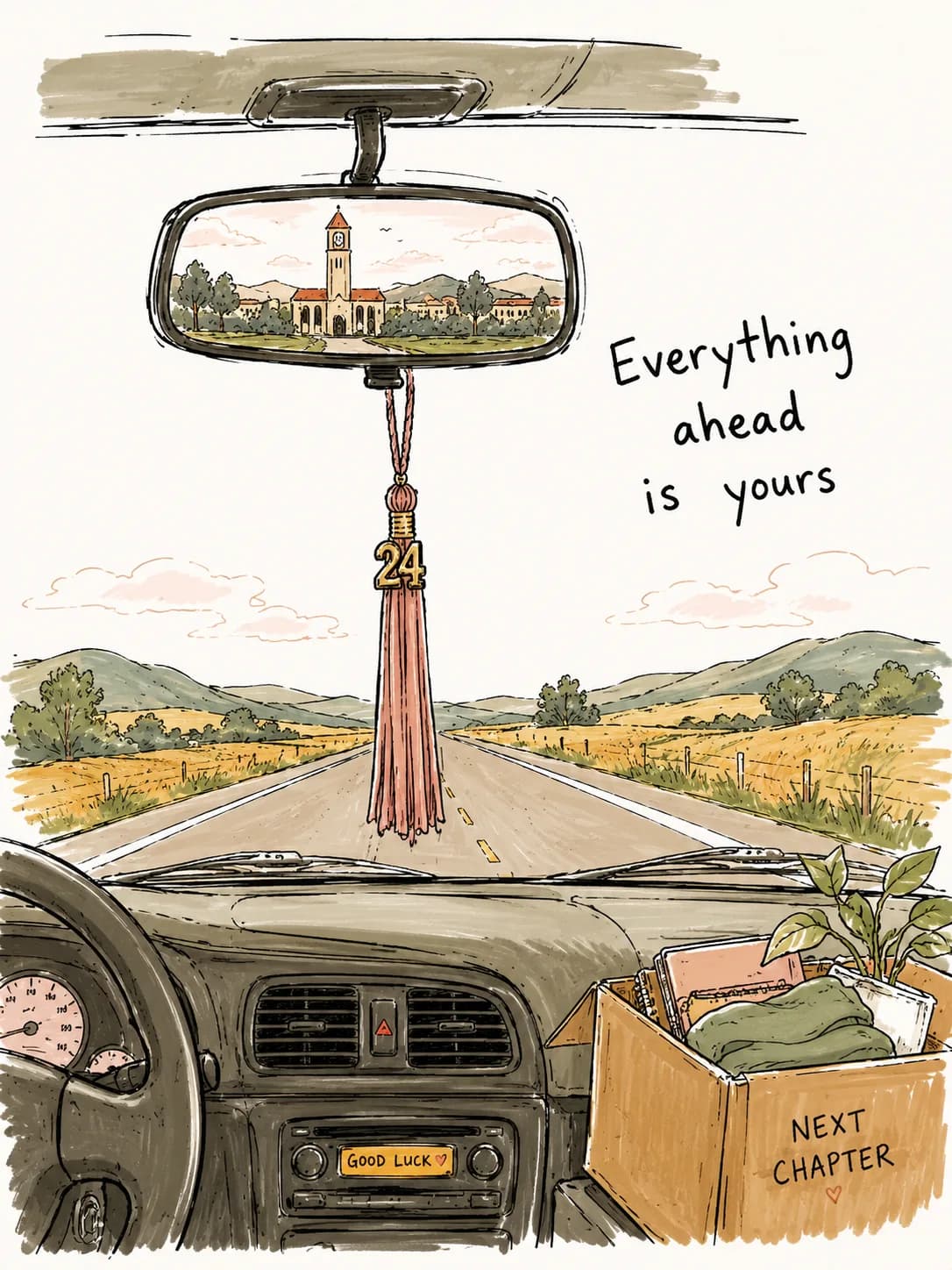
Everything ahead is yours
Rearview Mirror
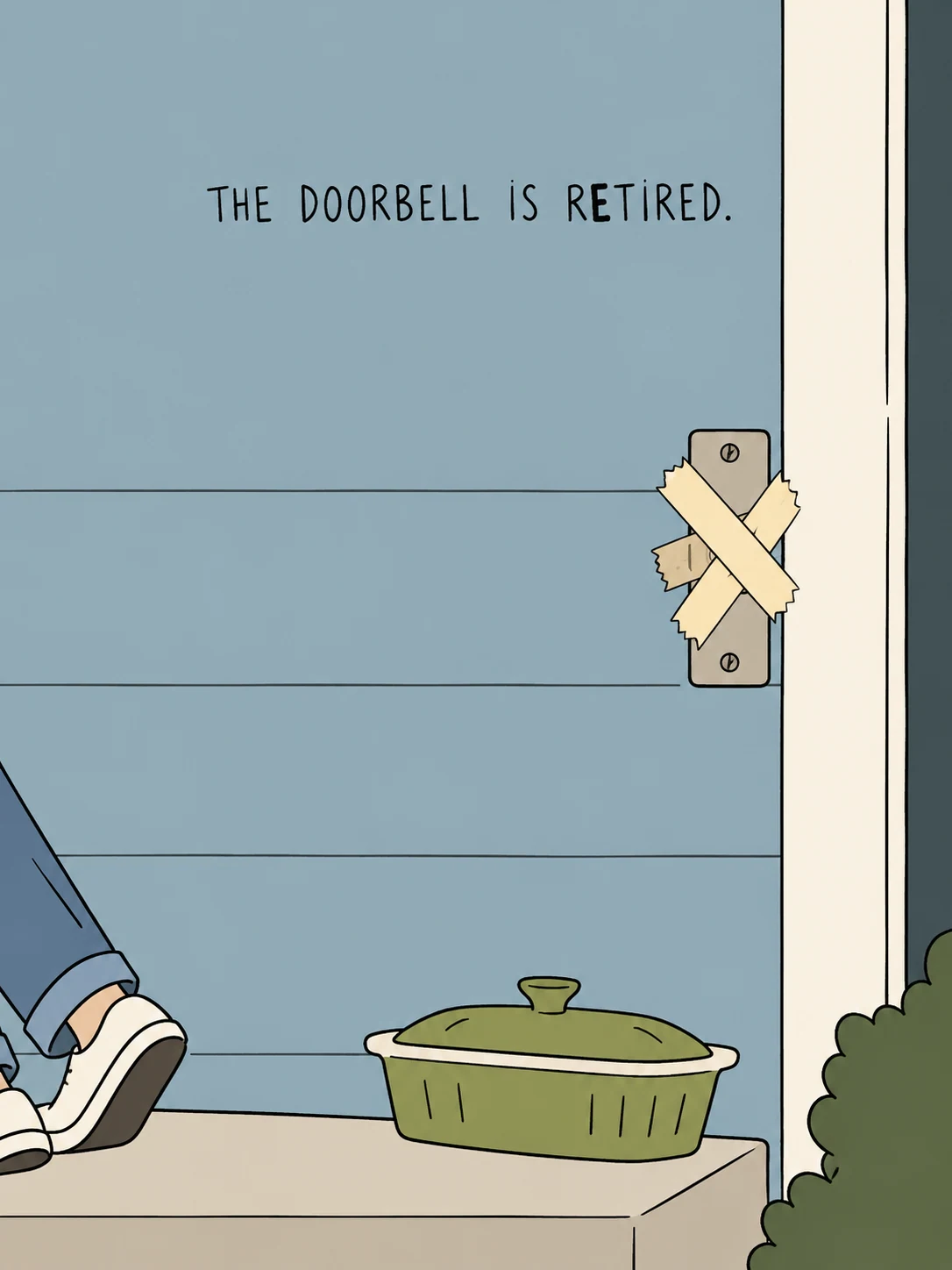
The doorbell is retired.
The Doorbell Is Retired
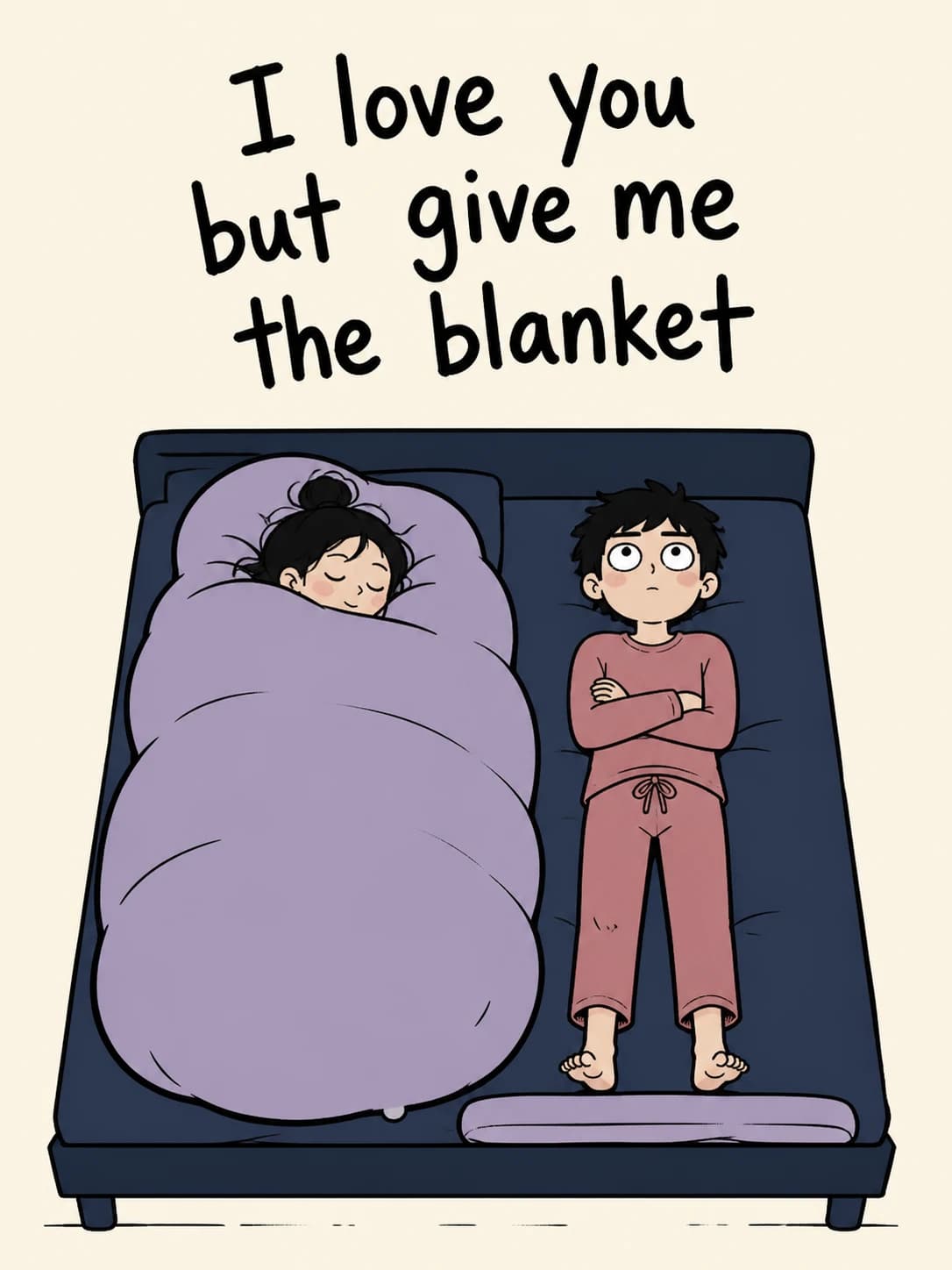
I love you but give me the blanket
Cover Thief
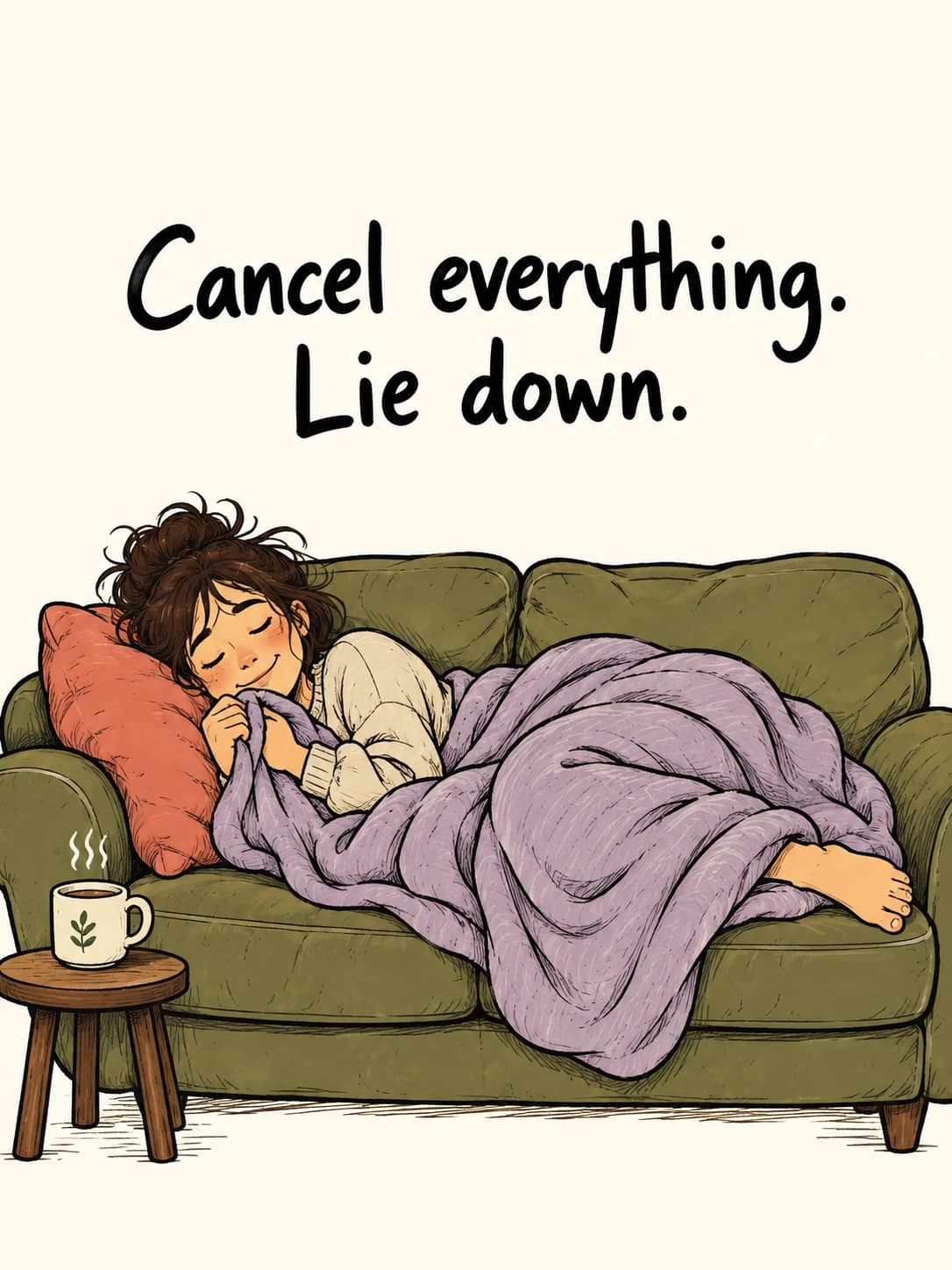
Cancel everything. Lie down.
Cancel Everything
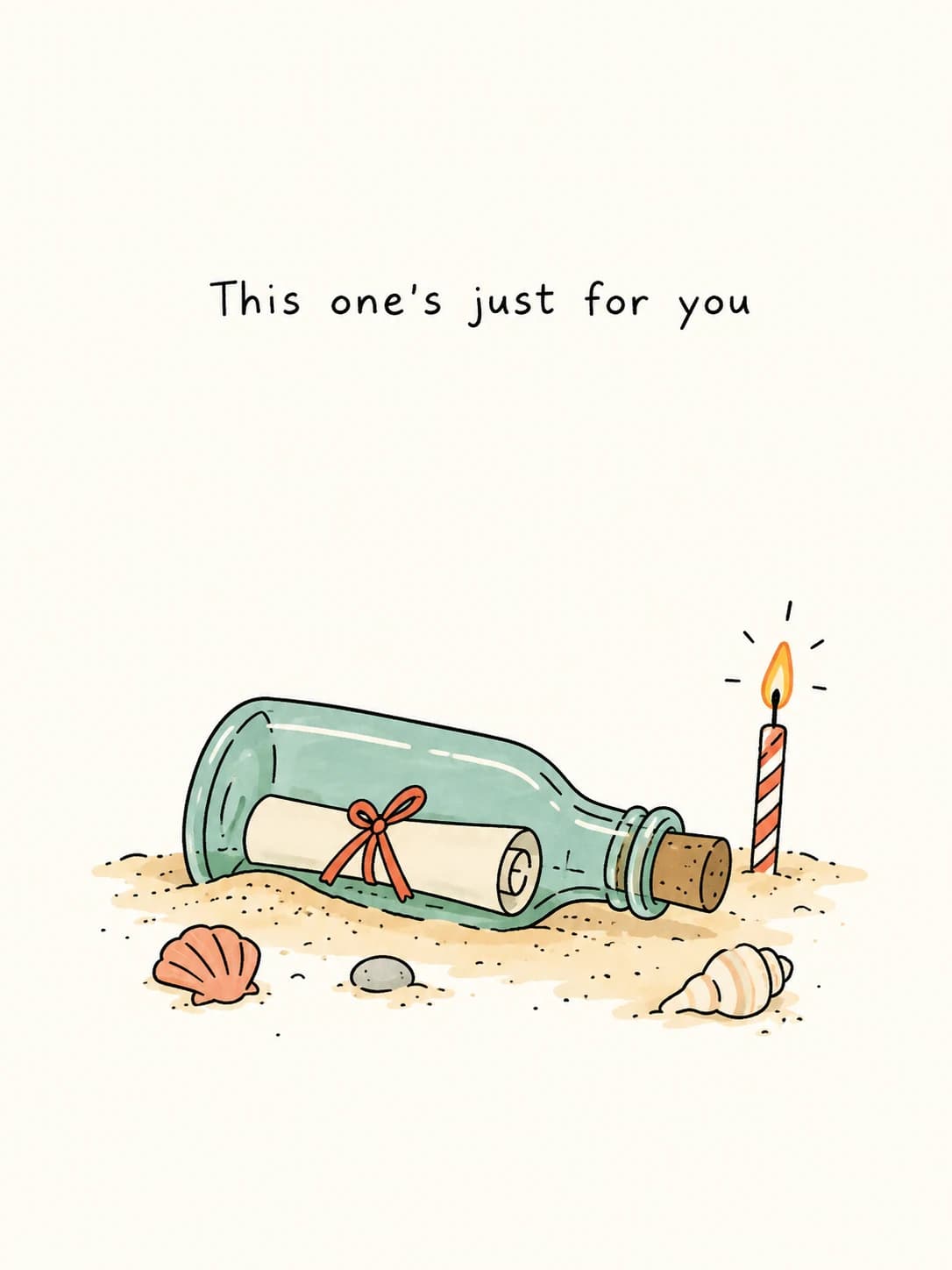
This one's just for you
Message in a Bottle

You're cleared for liftoff
Launchpad
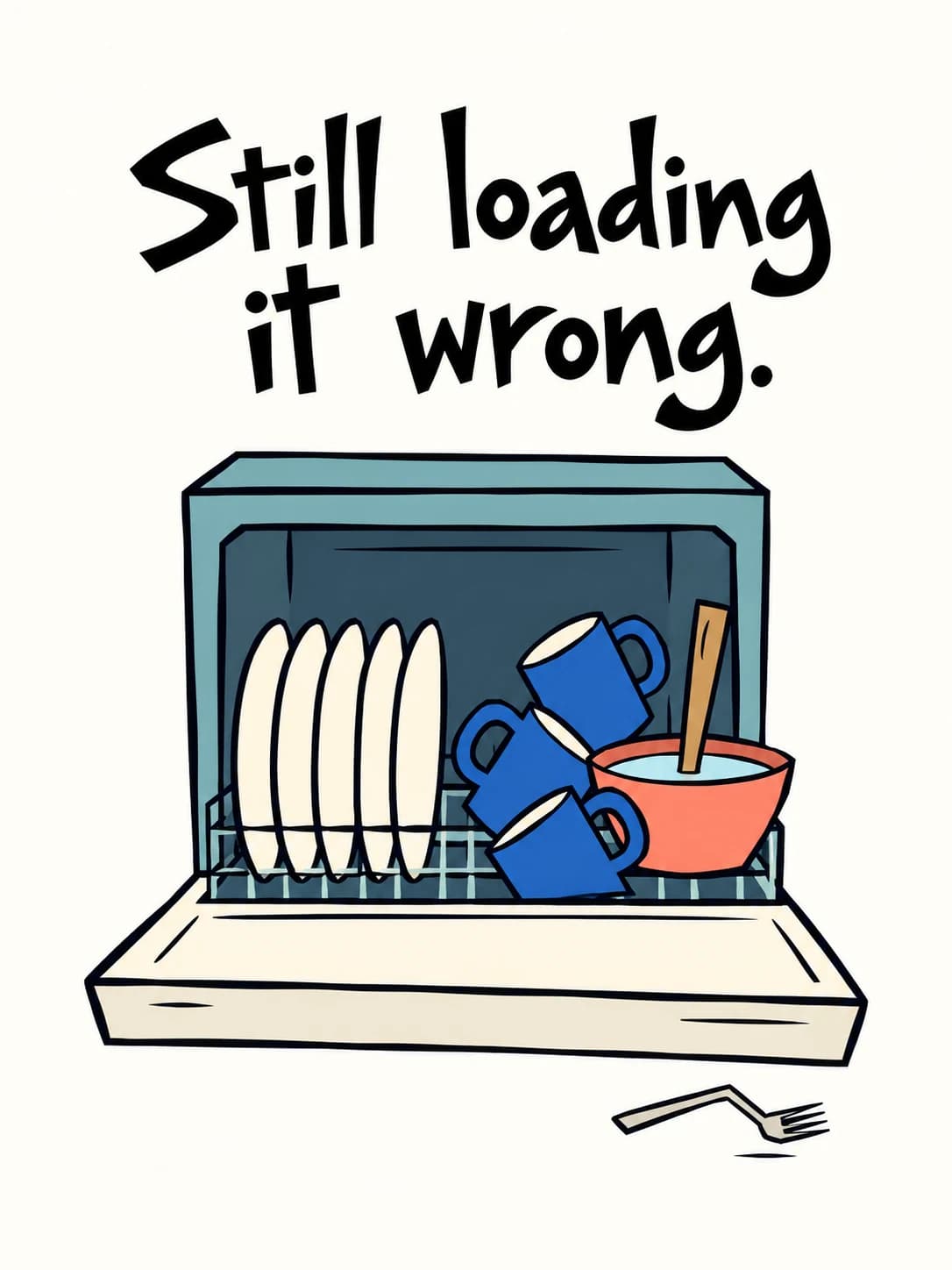
Still loading it wrong.
Dishwasher Rules
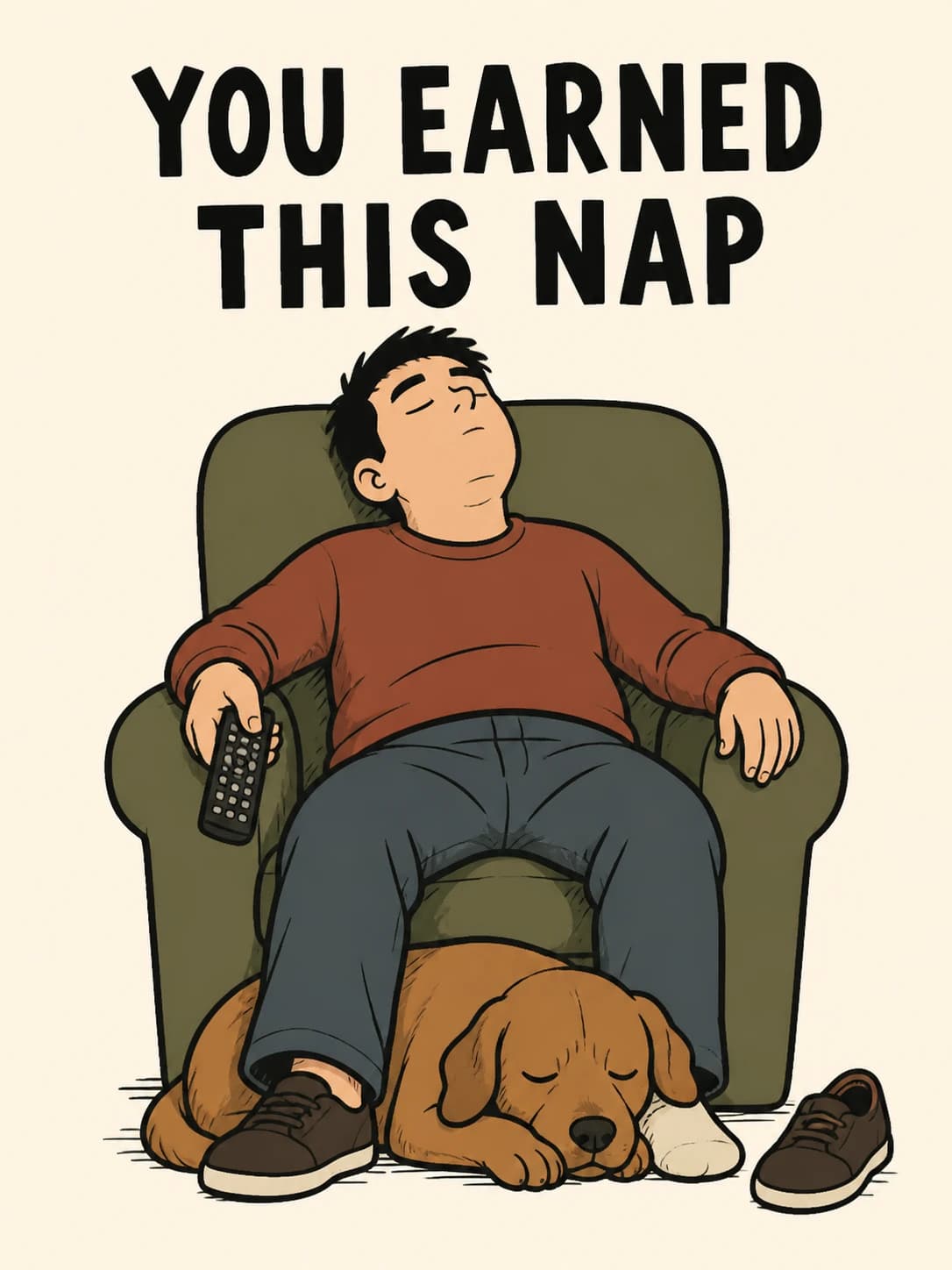
You earned this nap
Dad Nap
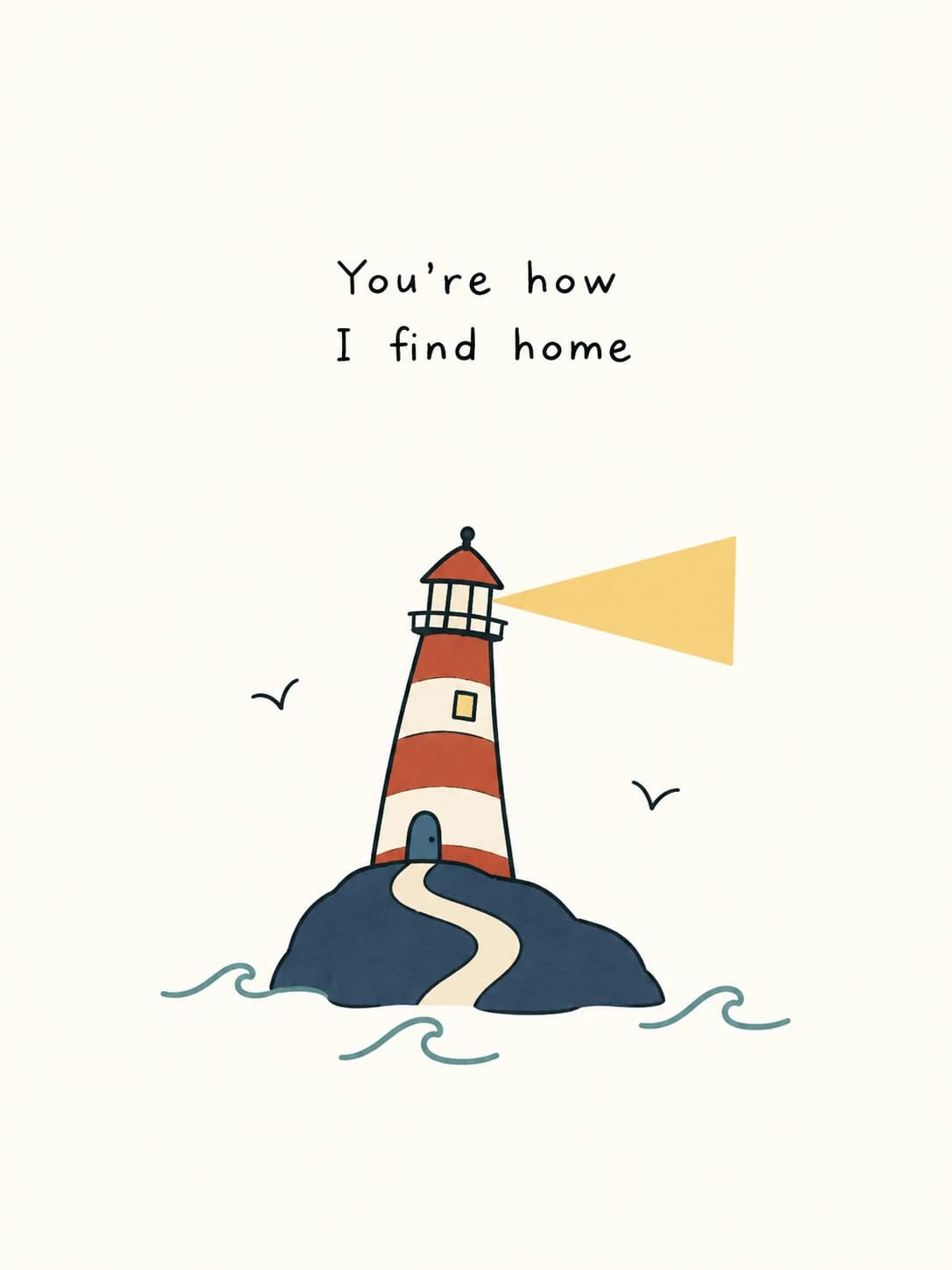
You're how I find home
Lighthouse
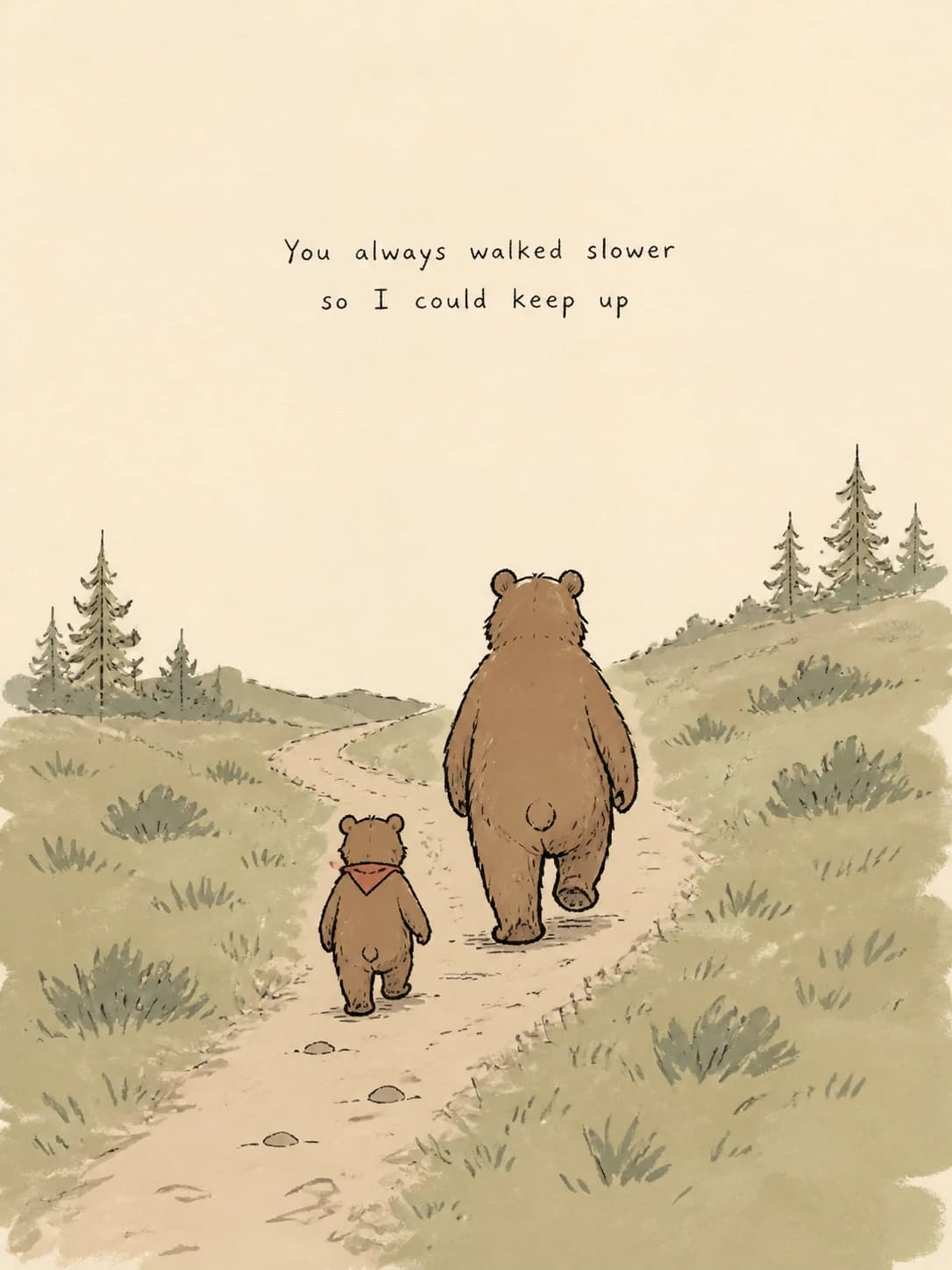
You always walked slower so I could keep up
Mama Bear
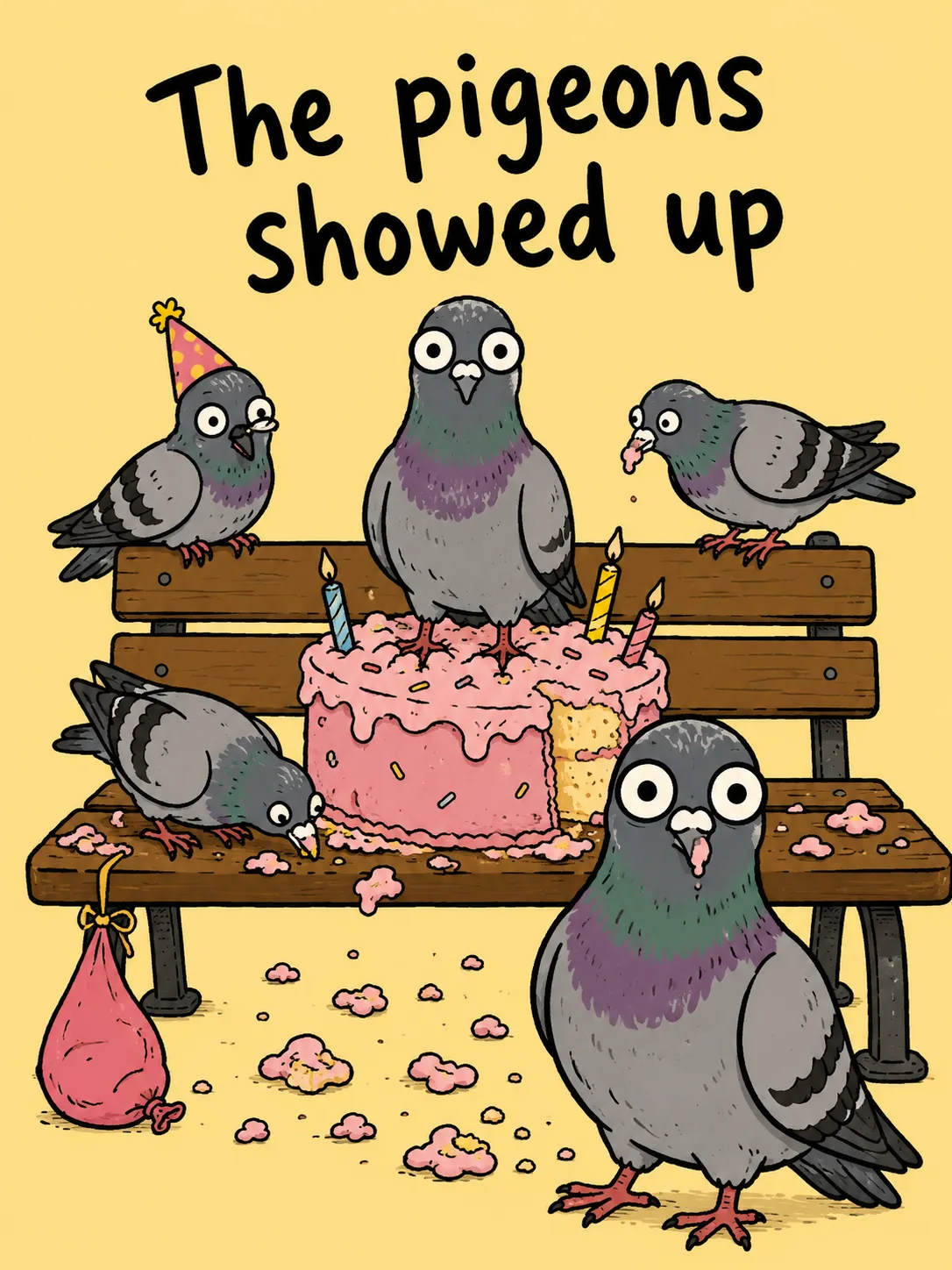
The pigeons showed up
Pigeon Party
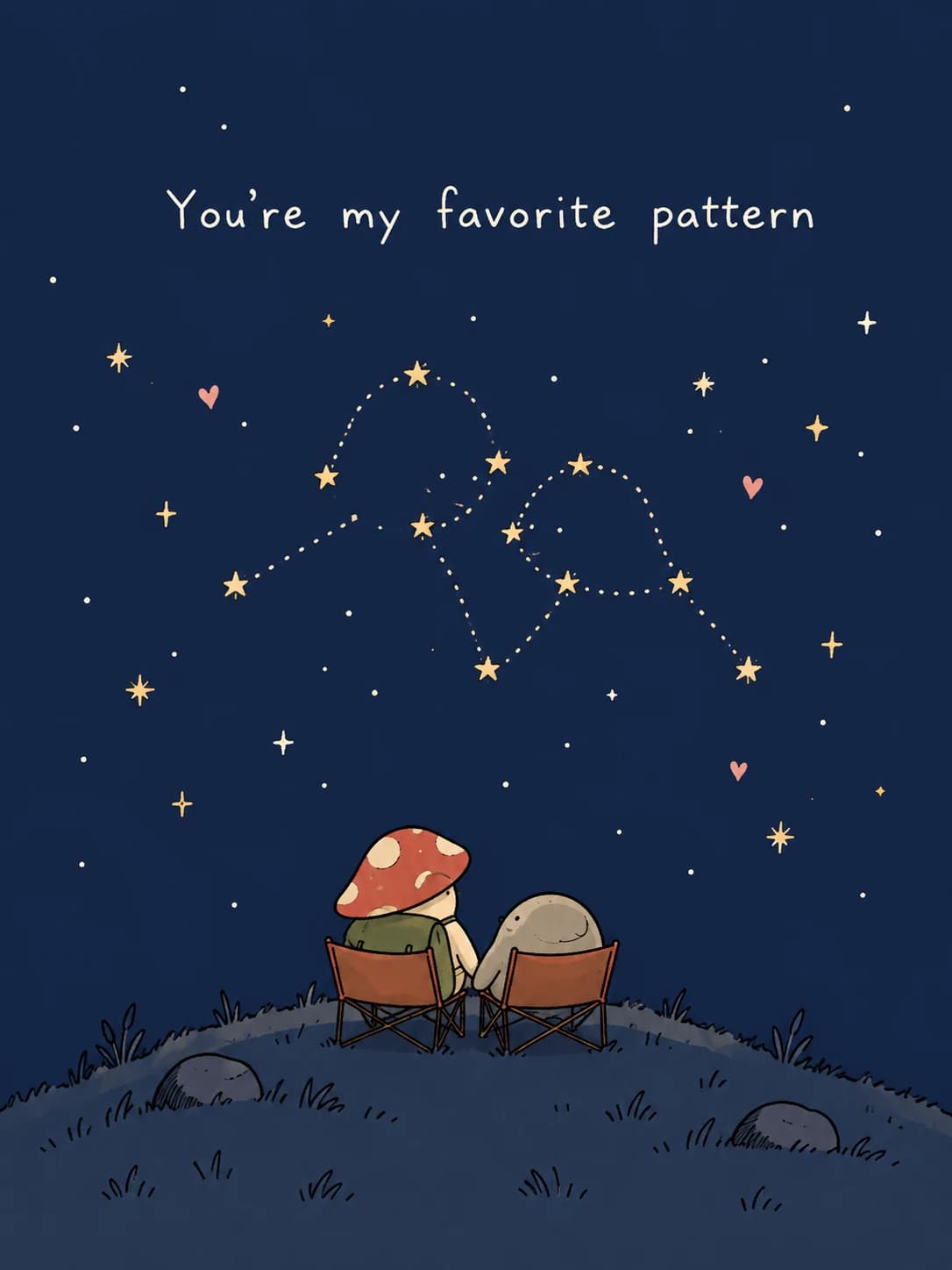
You're my favorite pattern
Constellations

Turn the tassel
Tassel Turn
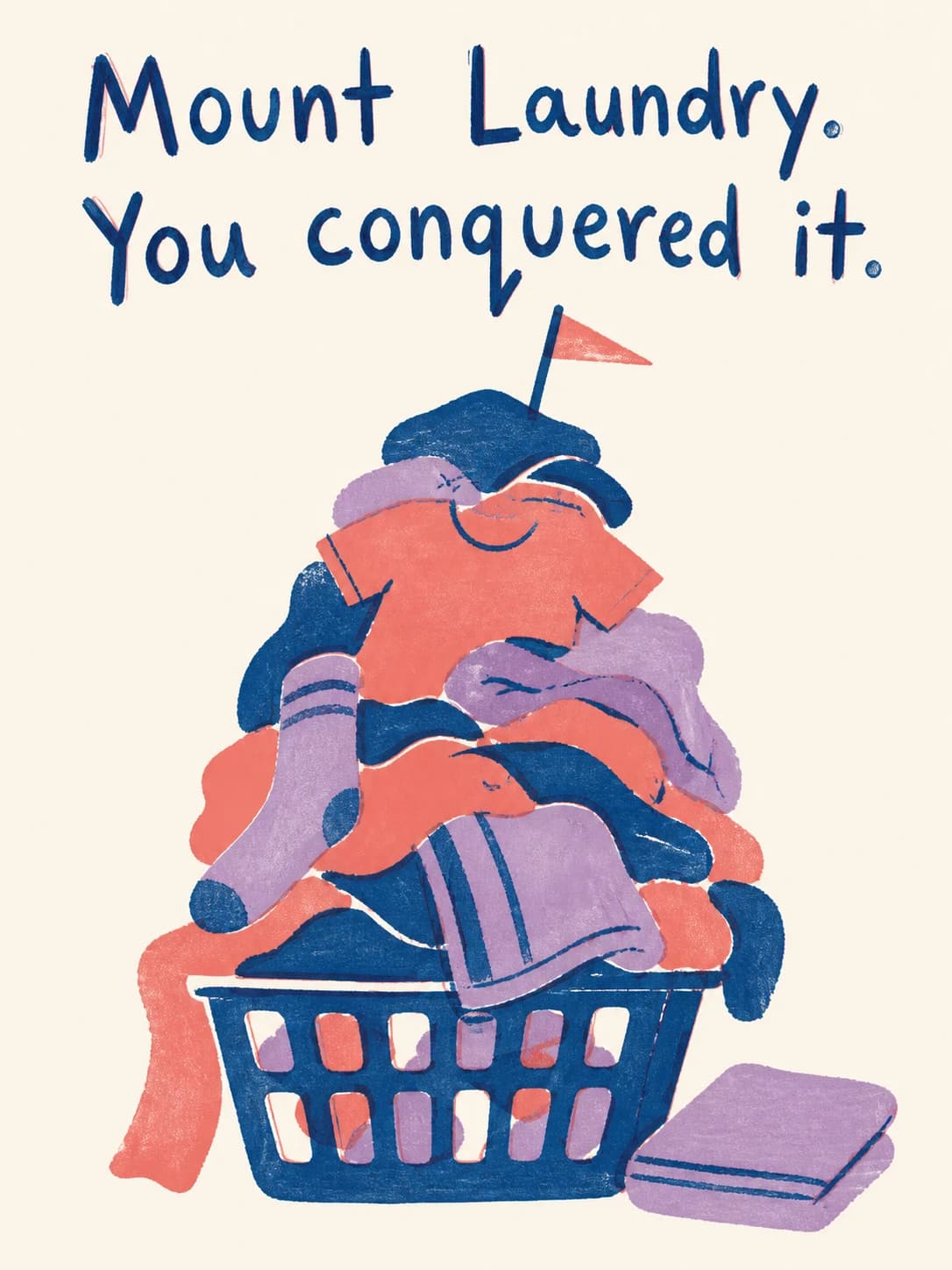
Mount Laundry. You conquered it.
Laundry Pile
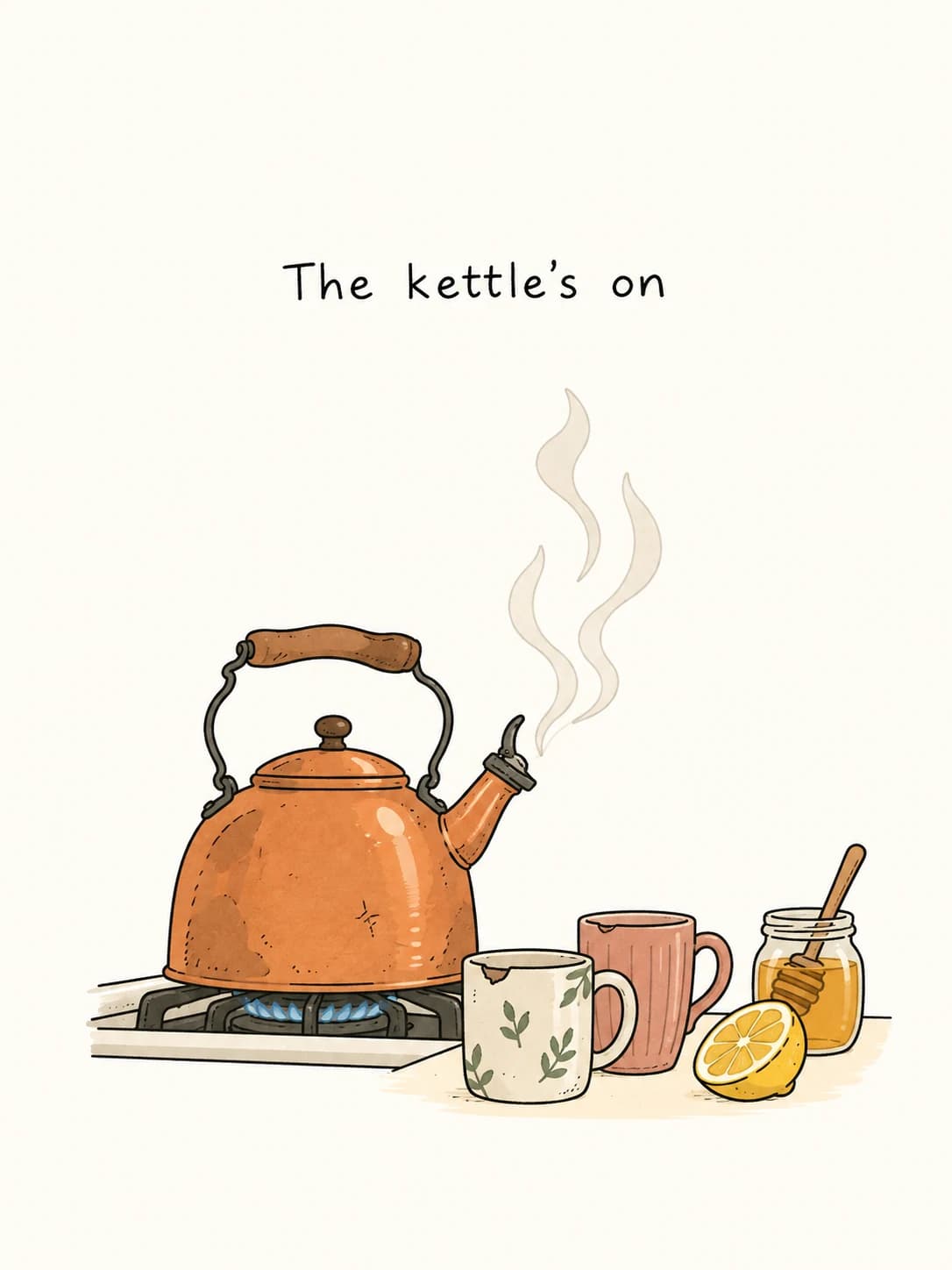
The kettle's on
Tea Kettle
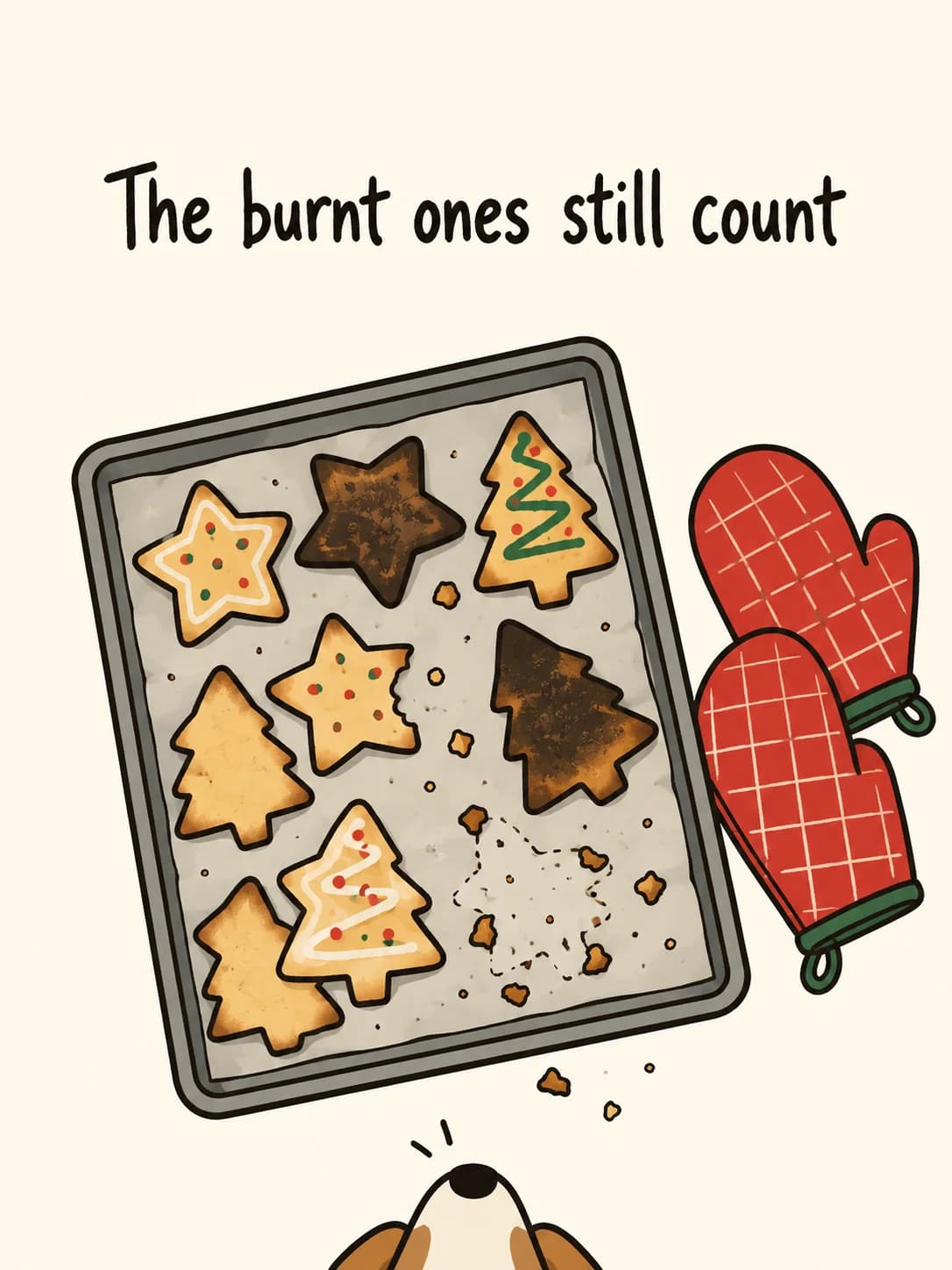
The burnt ones still count
Burnt Cookies
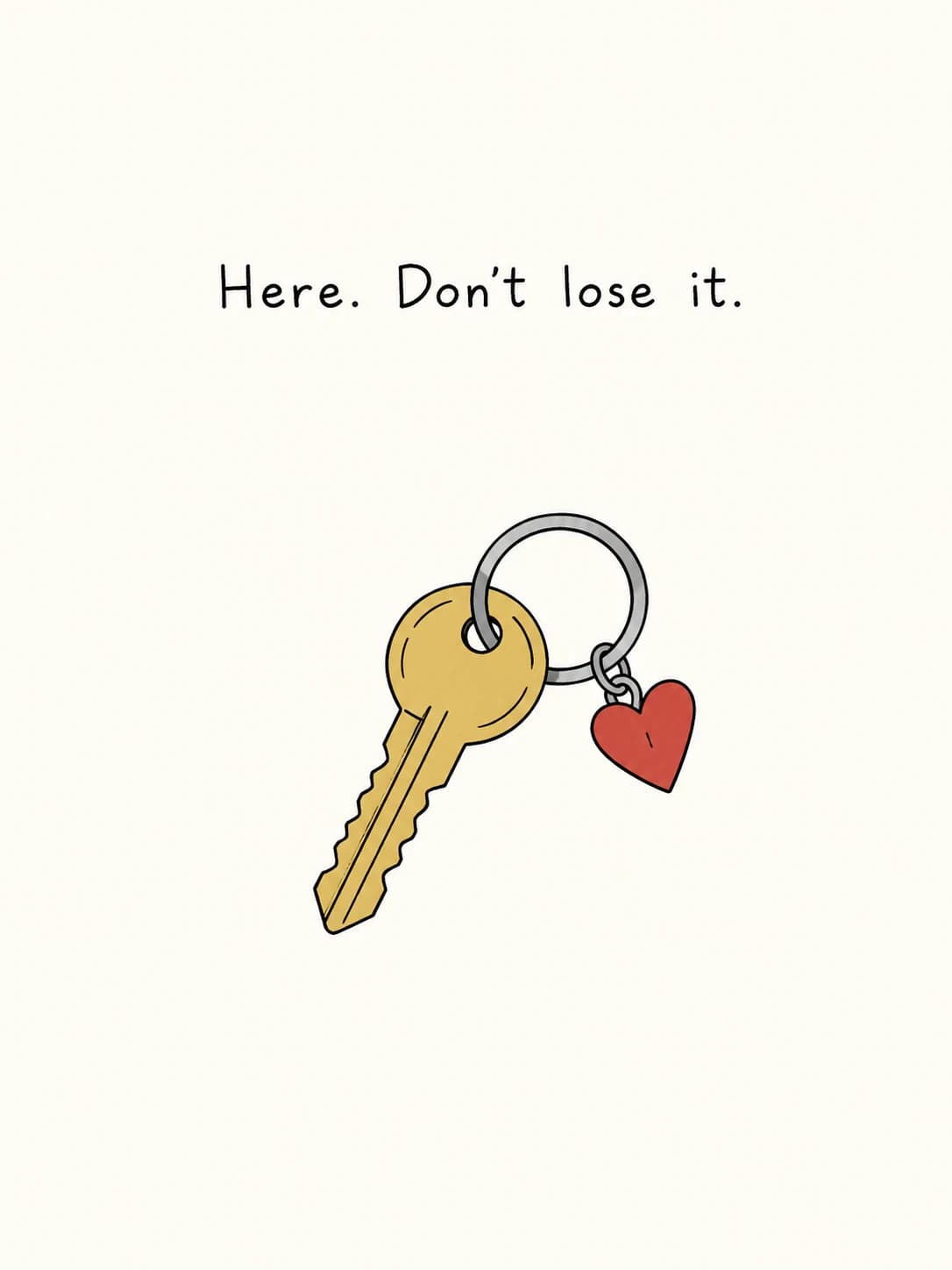
Here. Don't lose it.
Spare Key
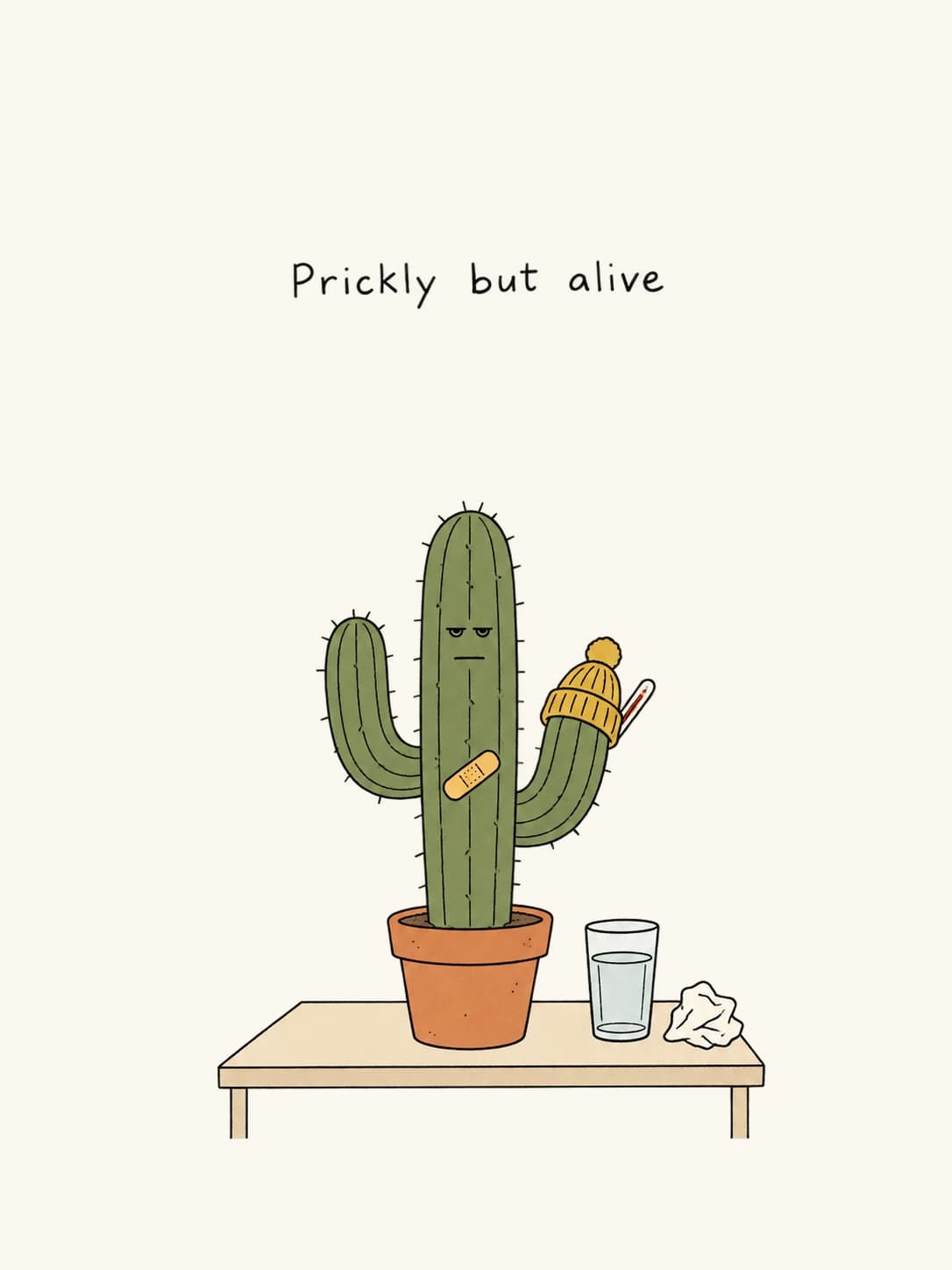
Prickly but alive
Cactus Tough
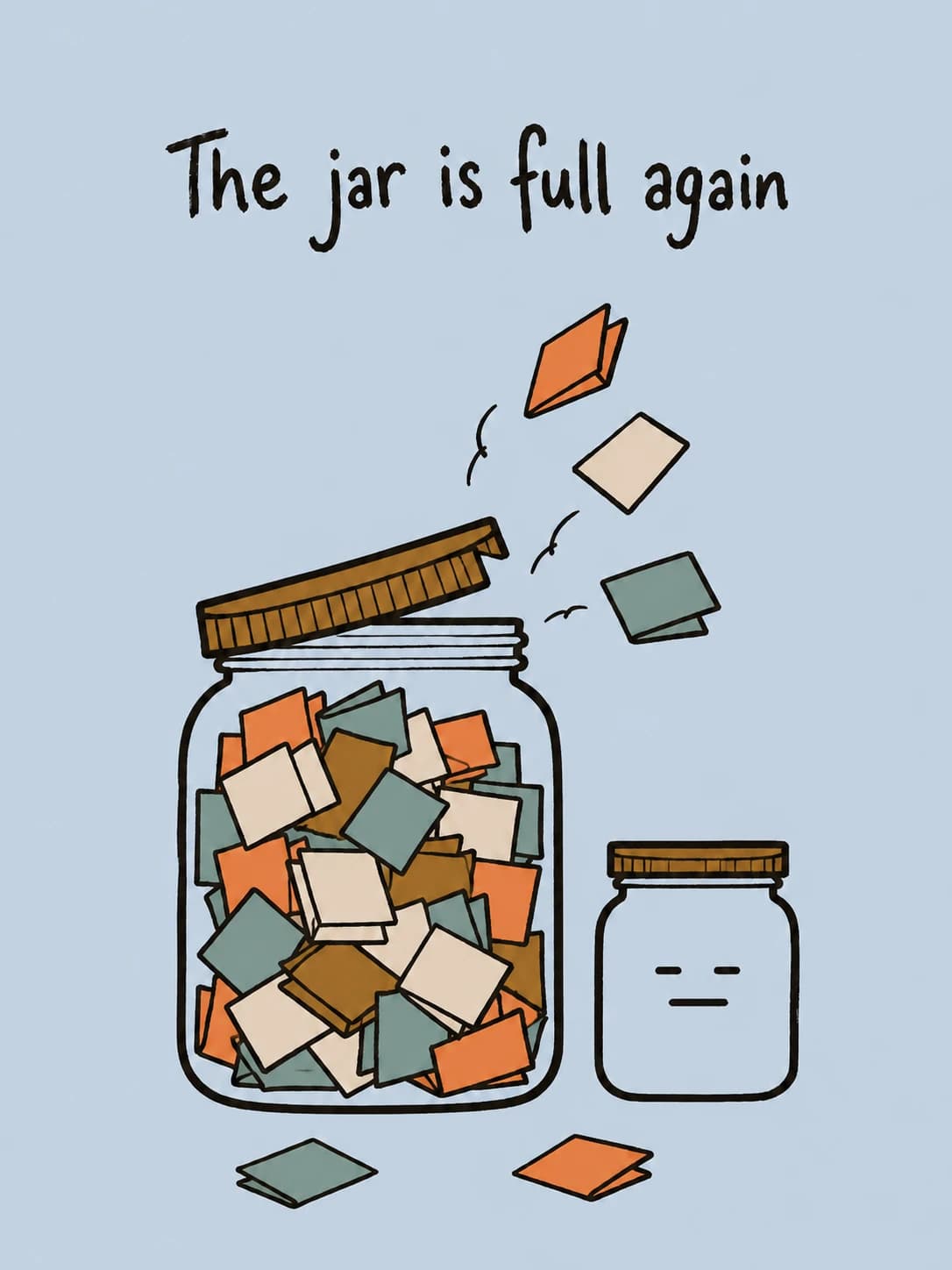
The jar is full again
Dad Jokes Jar
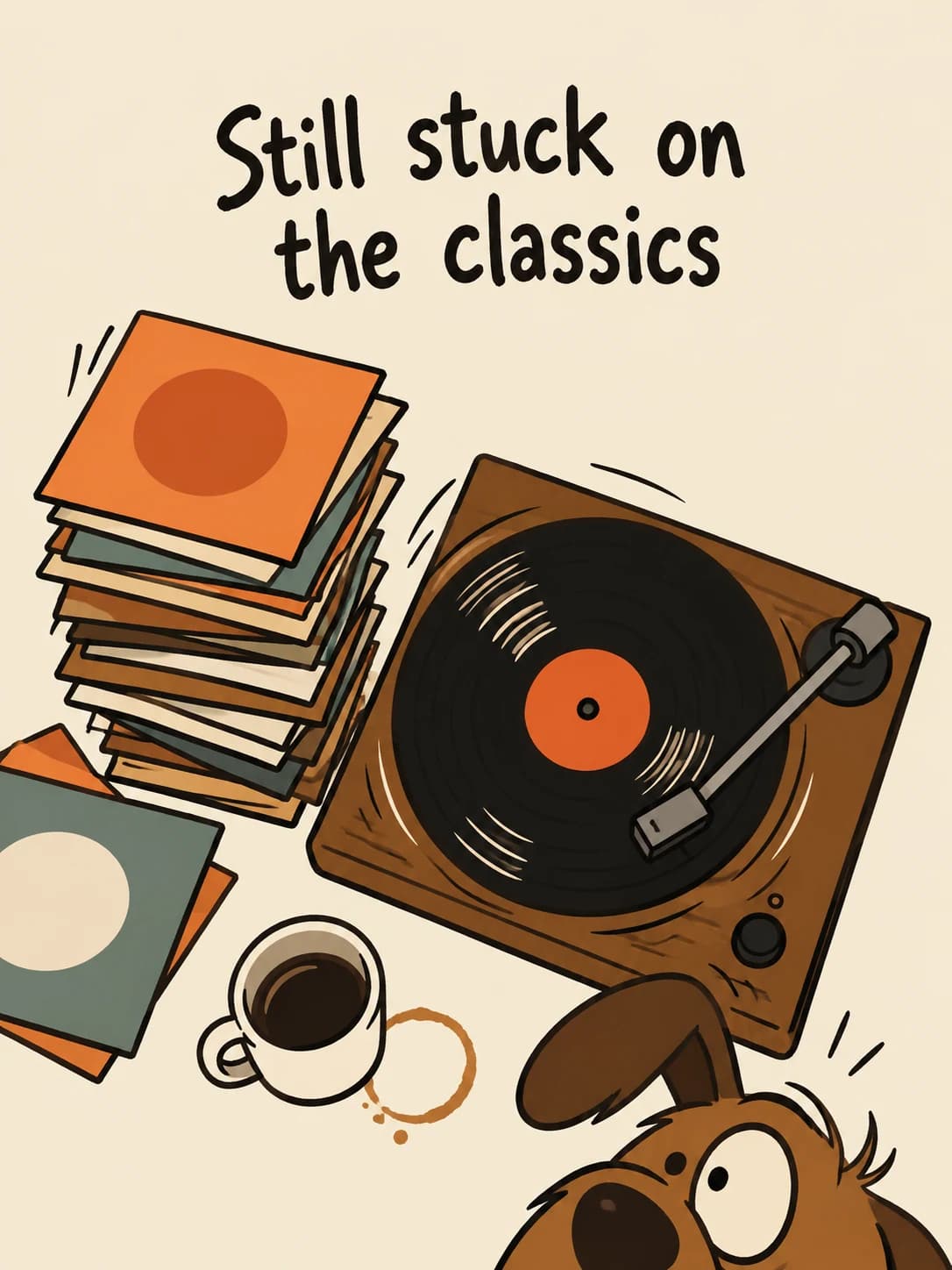
Still stuck on the classics
Vinyl Record

Congrats on the degree and the debt
Worth Every Penny
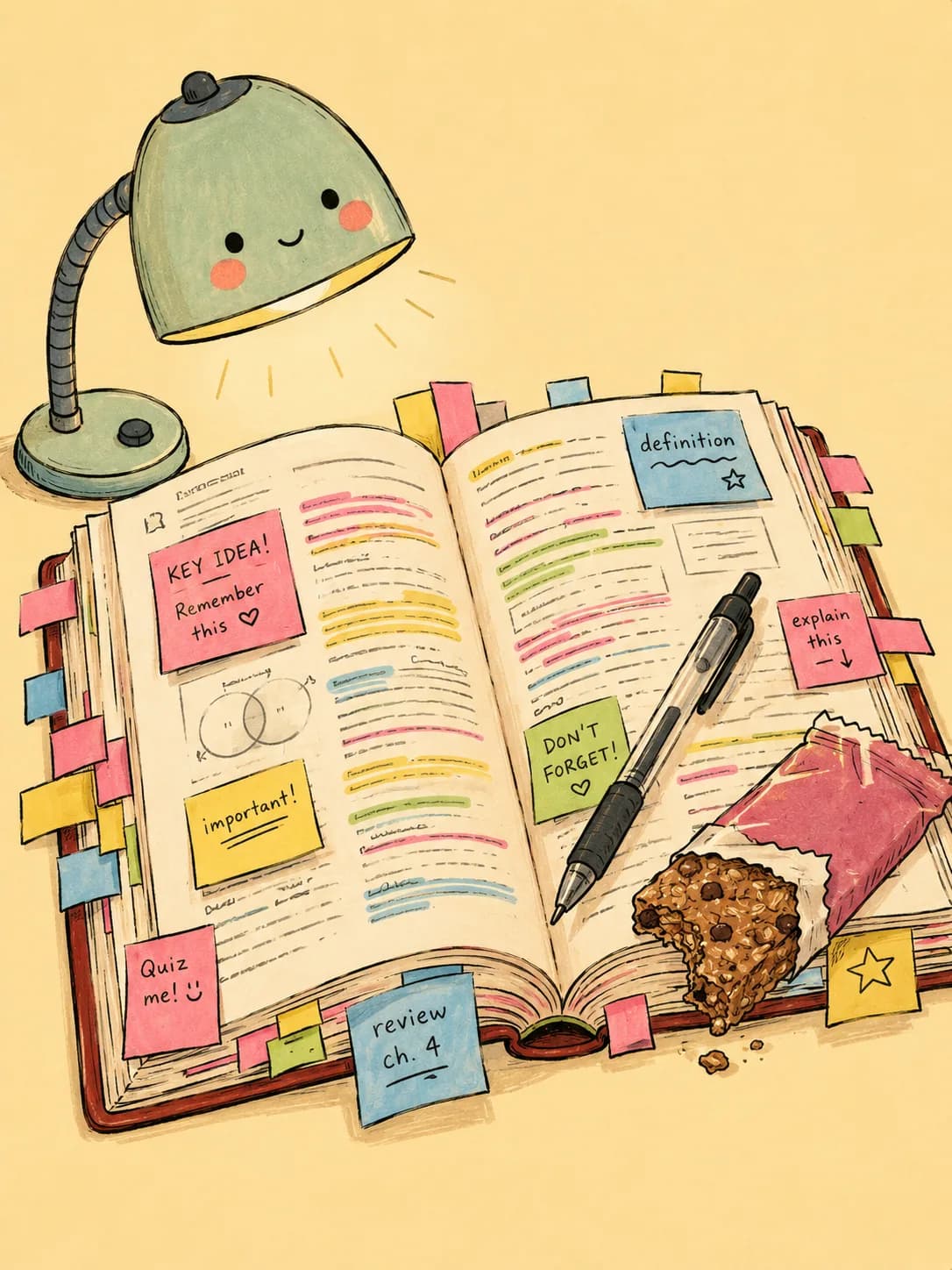
You studied for this
Sticky Notes
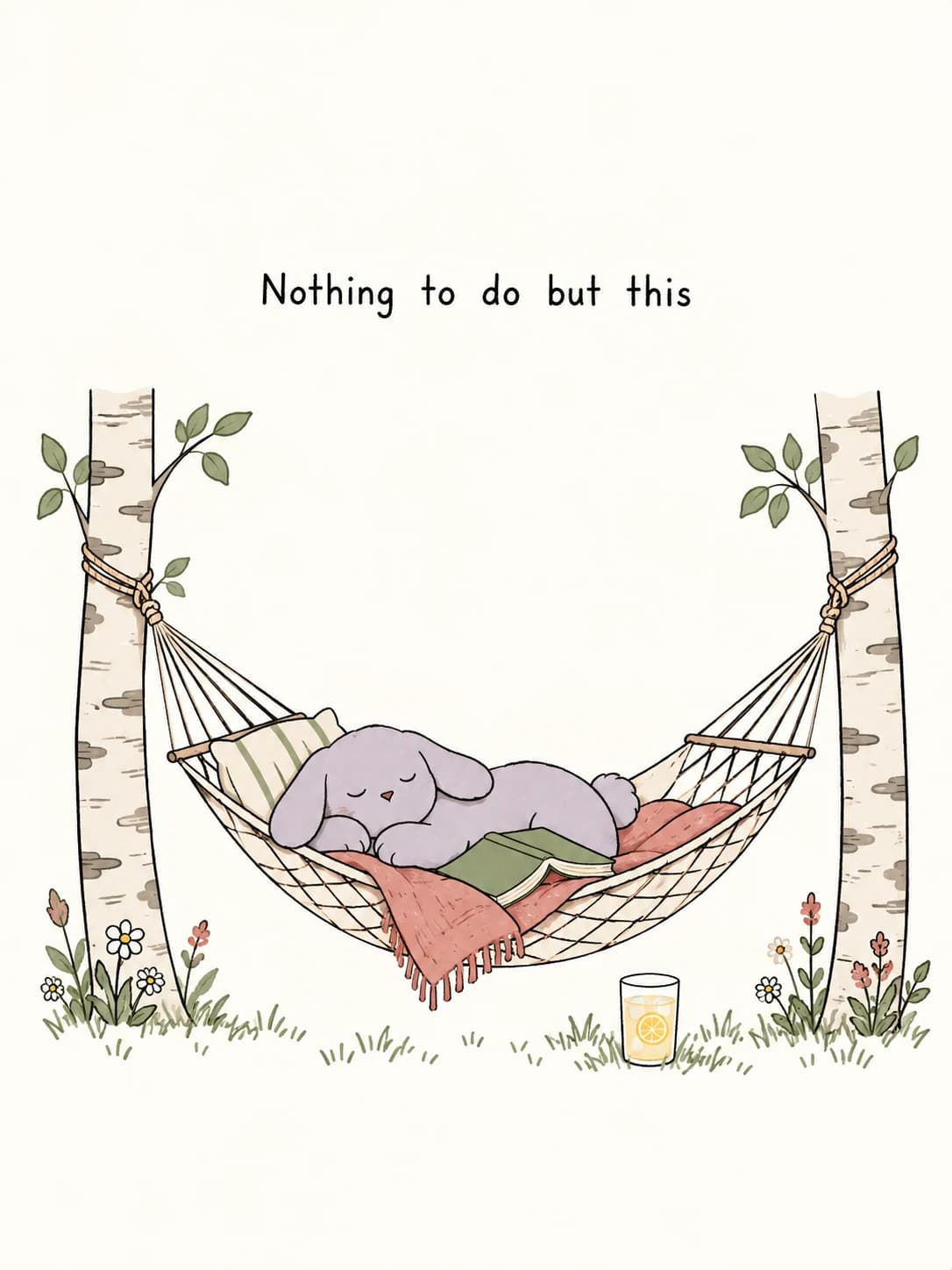
Nothing to do but this
Hammock
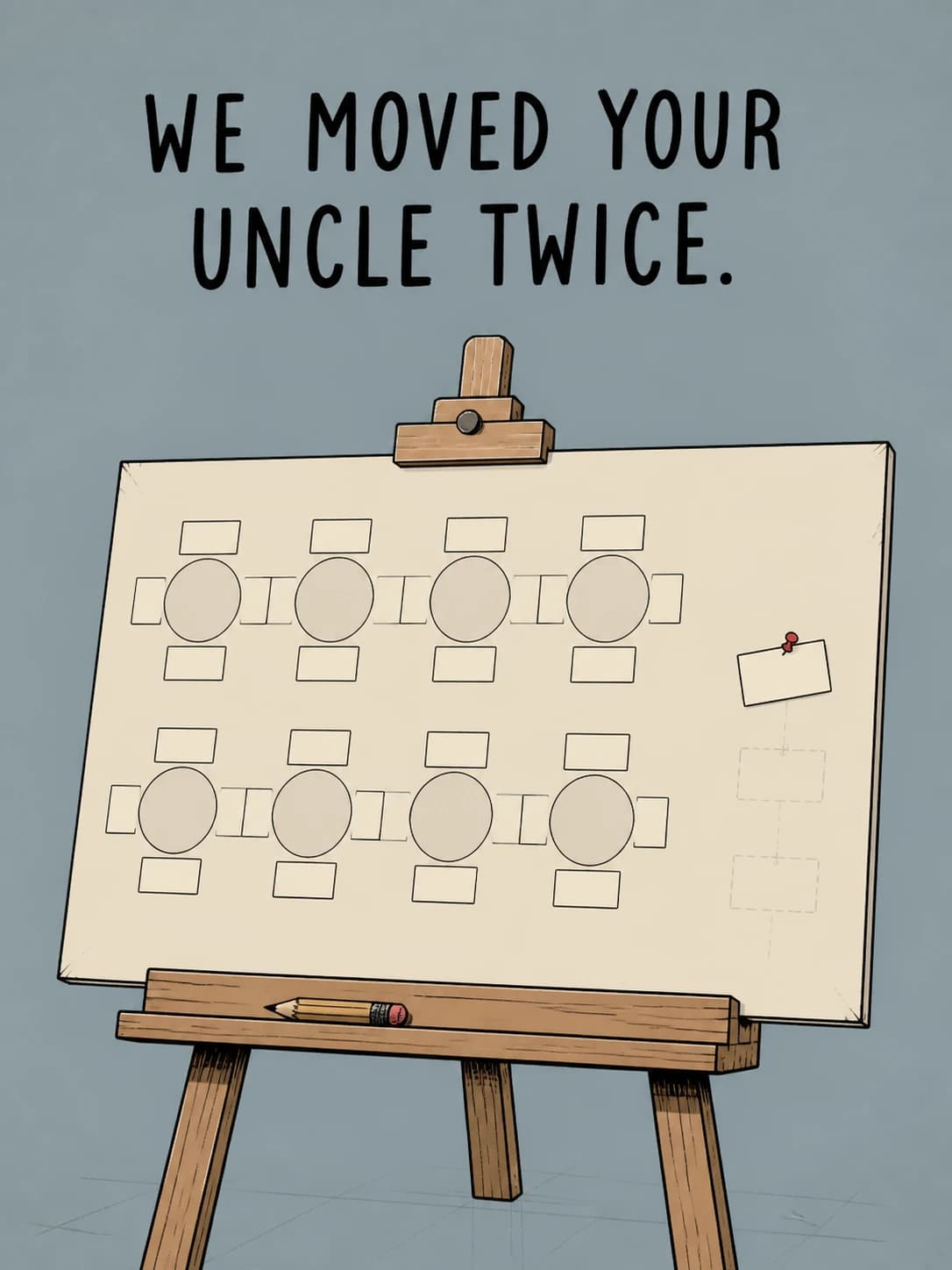
We moved your uncle twice.
Seating Chart
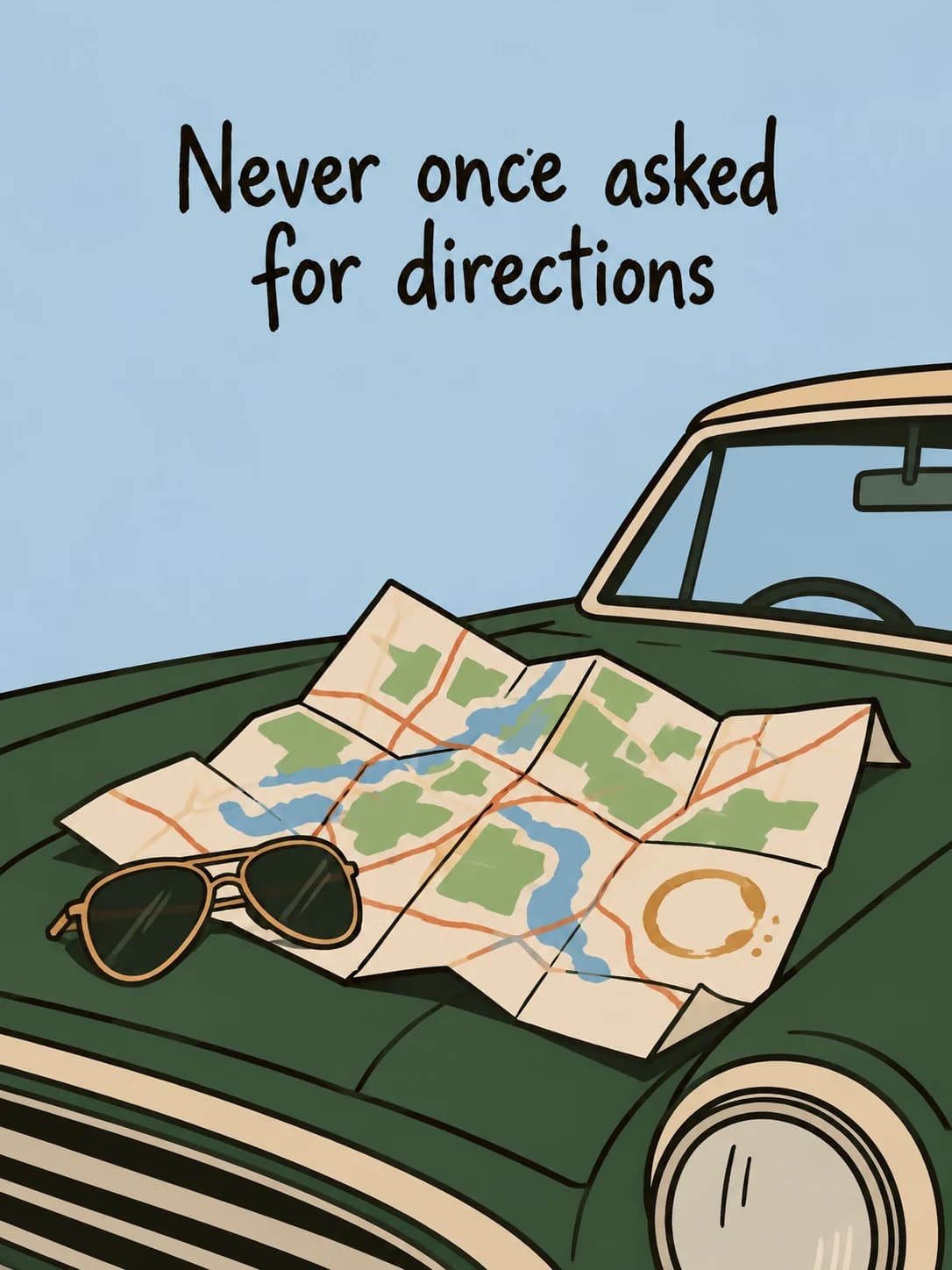
Never once asked for directions
Gas Station Map
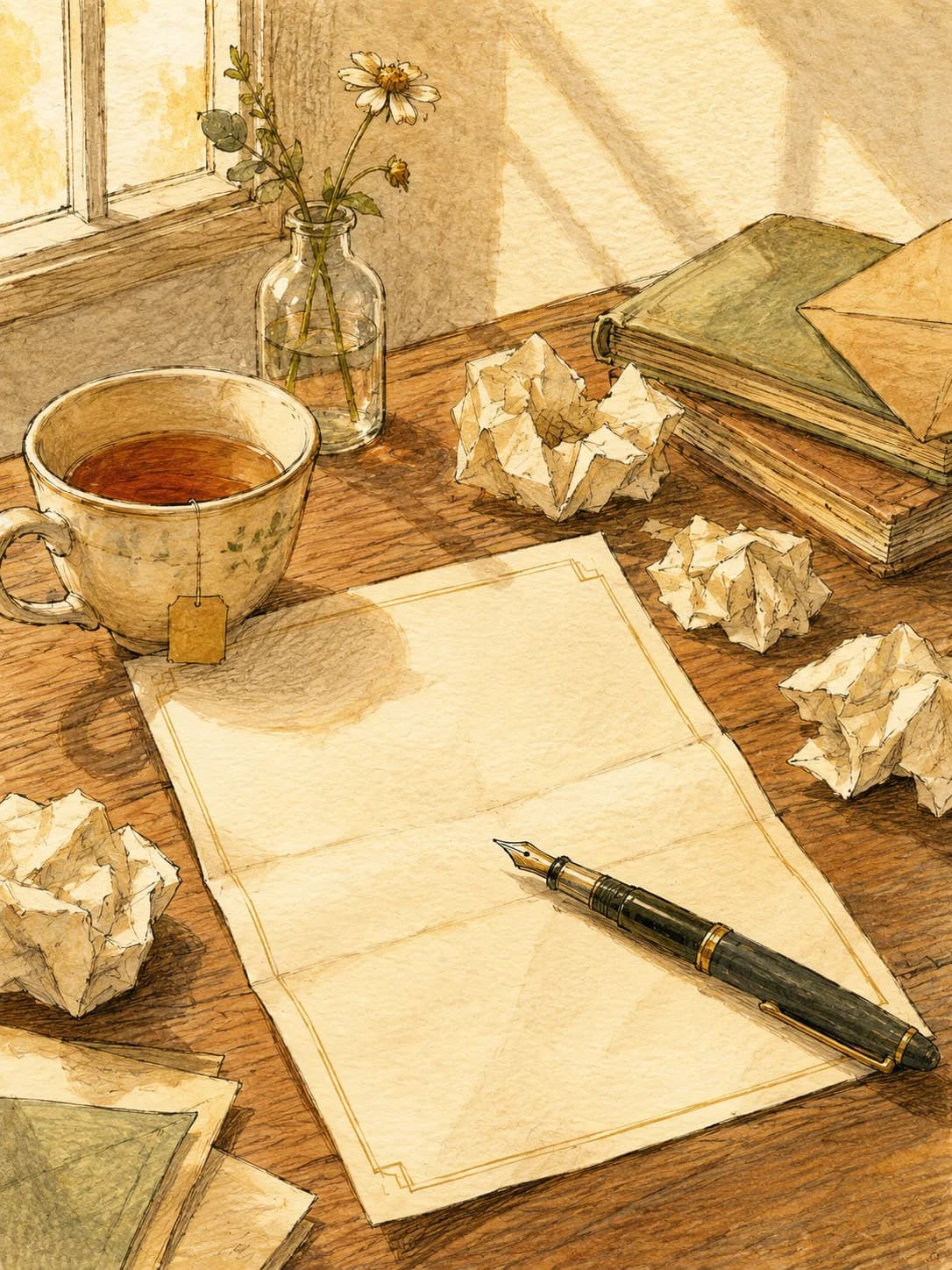
This one's overdue
Handwritten Note
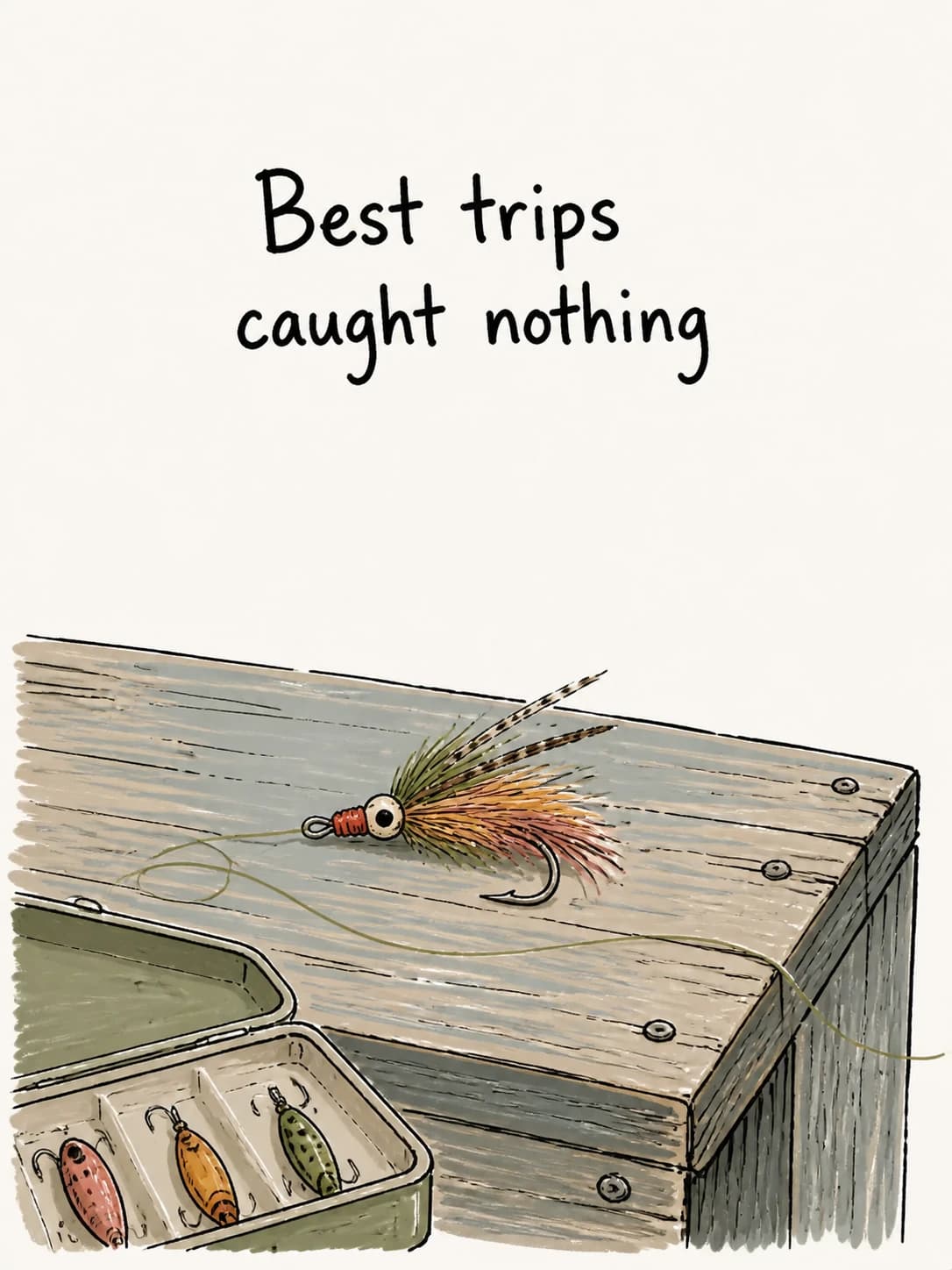
Best trips caught nothing
Fishing Lure
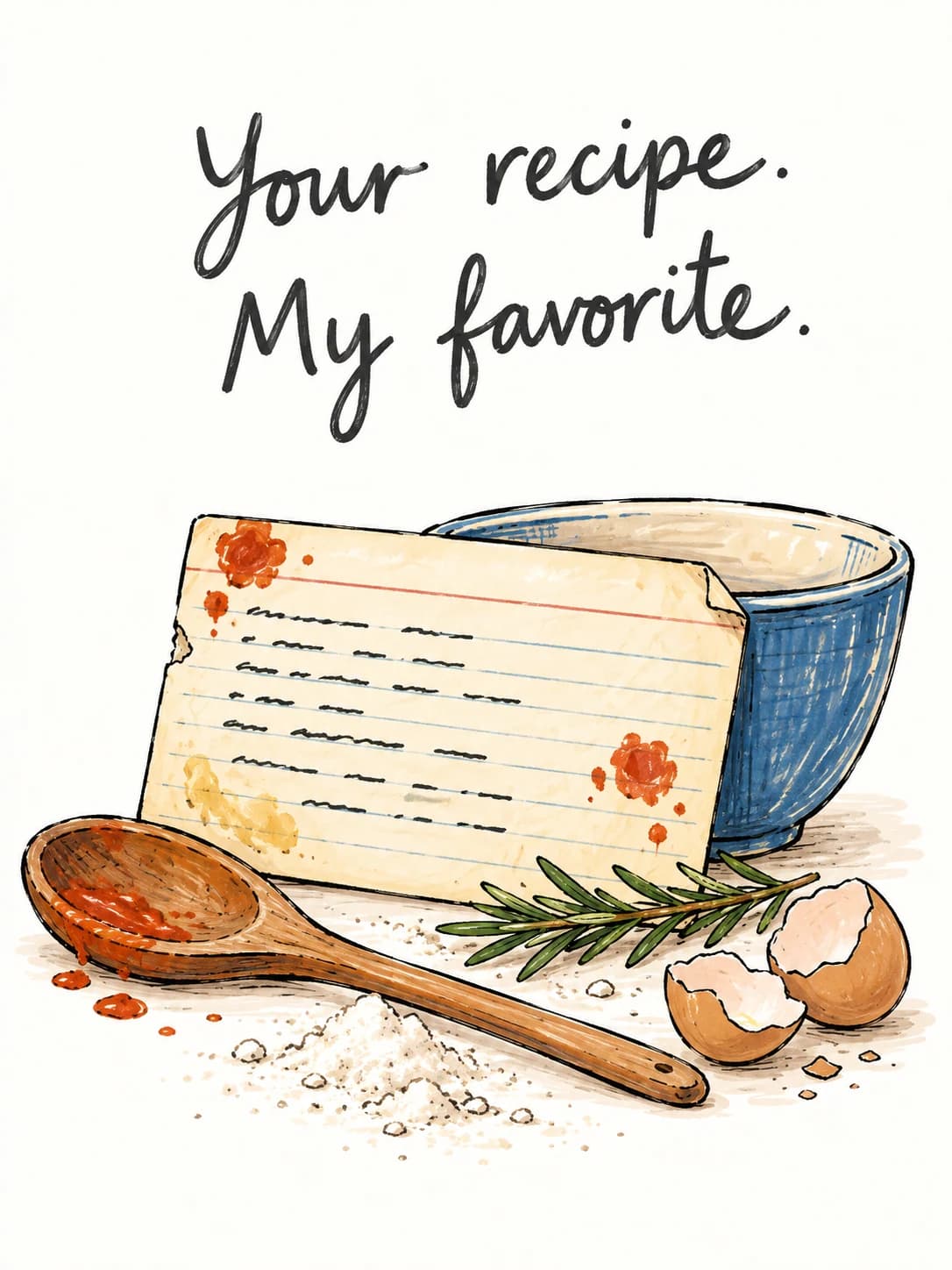
Your recipe. My favorite.
Recipe Card
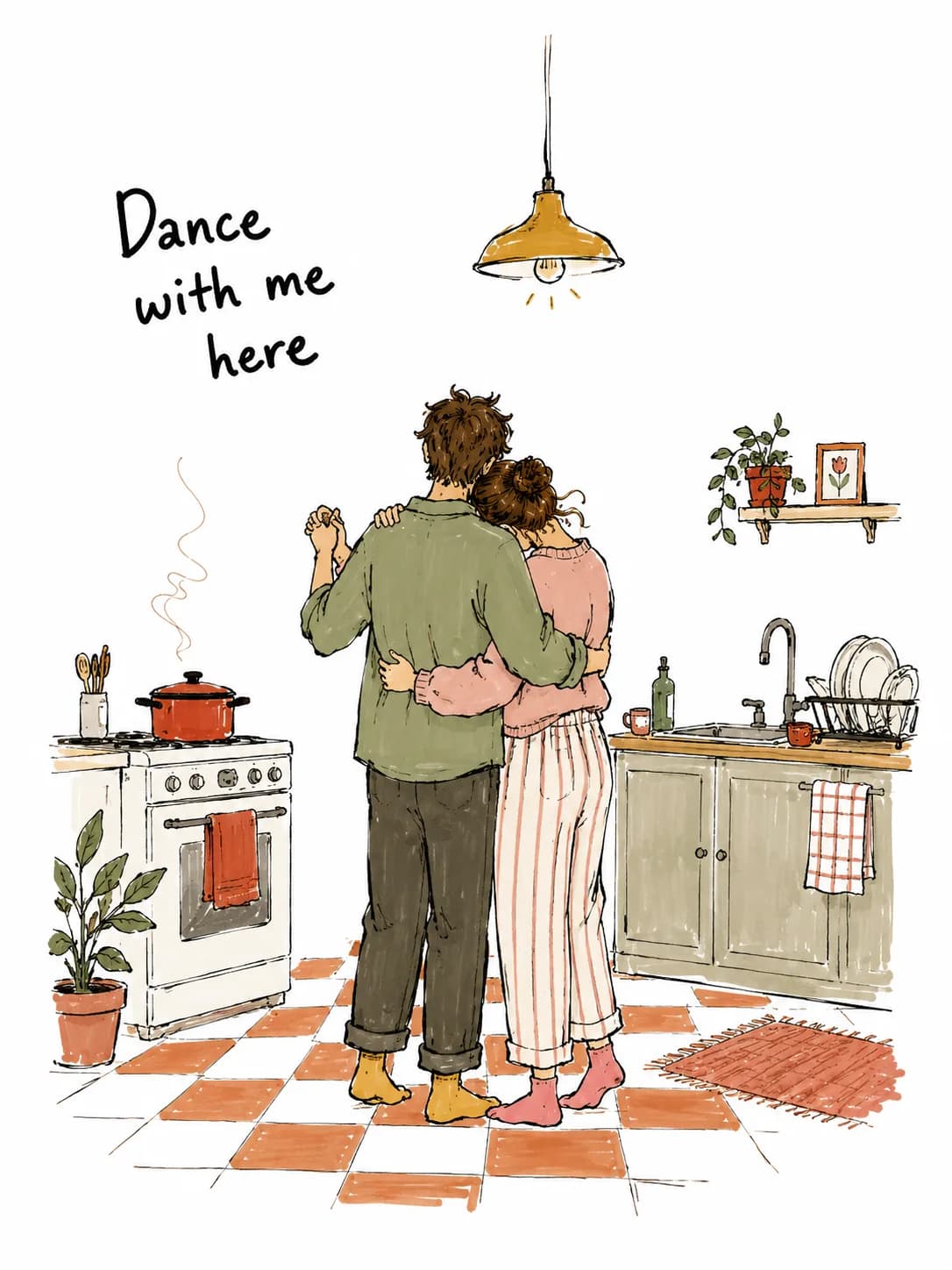
Dance with me here
Slow Dance Kitchen
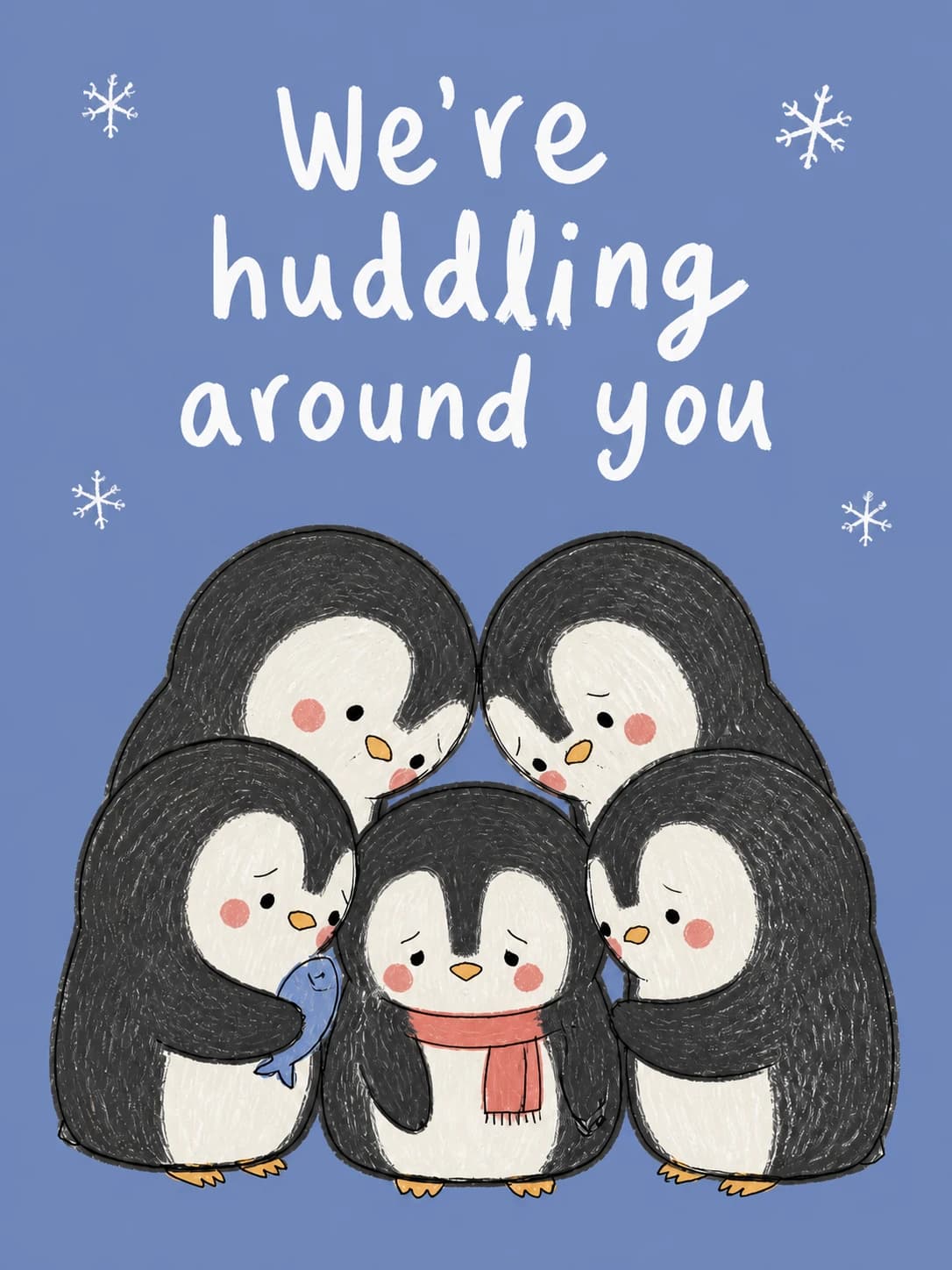
We're huddling around you
Penguin Huddle
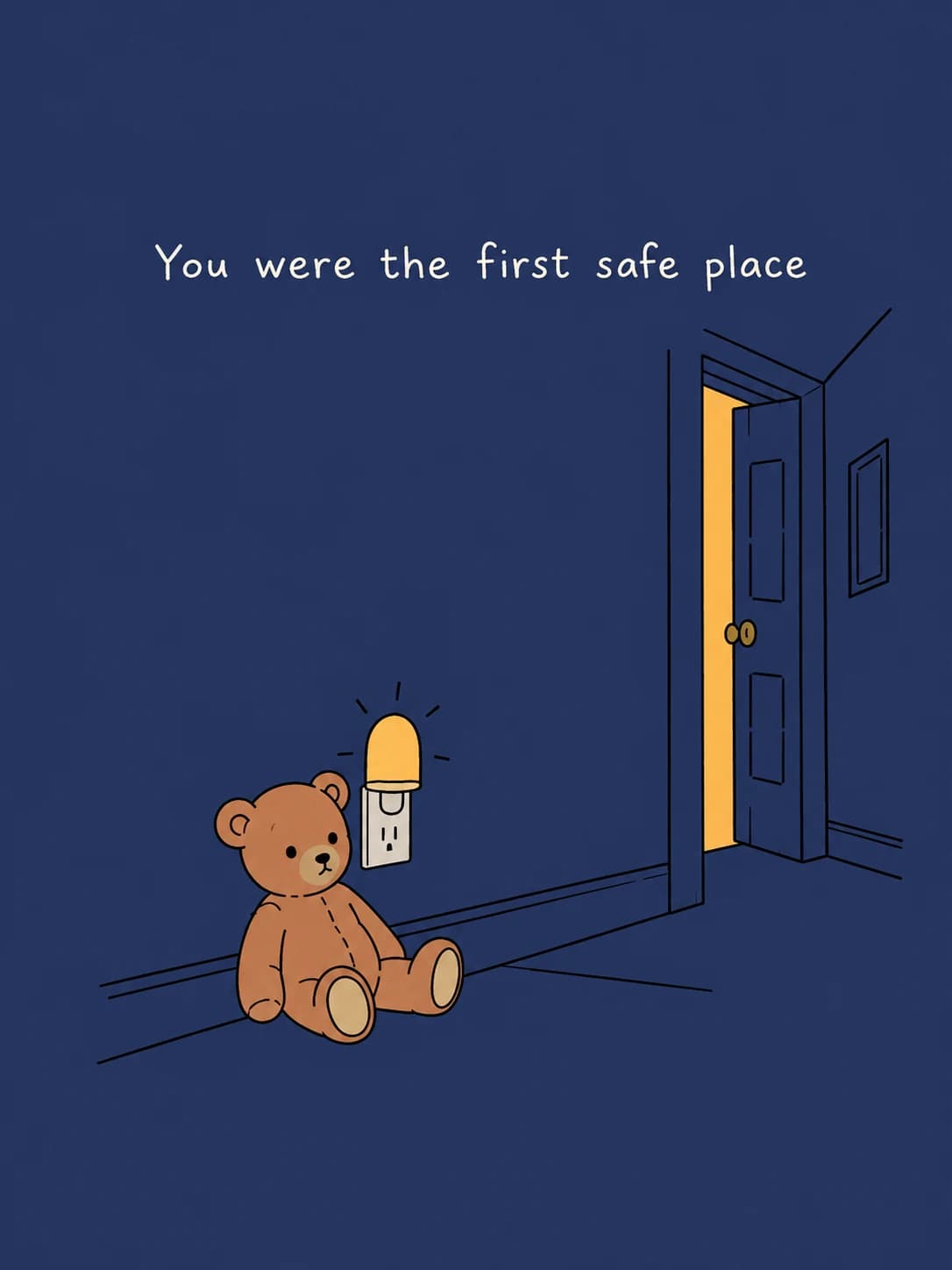
You were the first safe place
Night Light
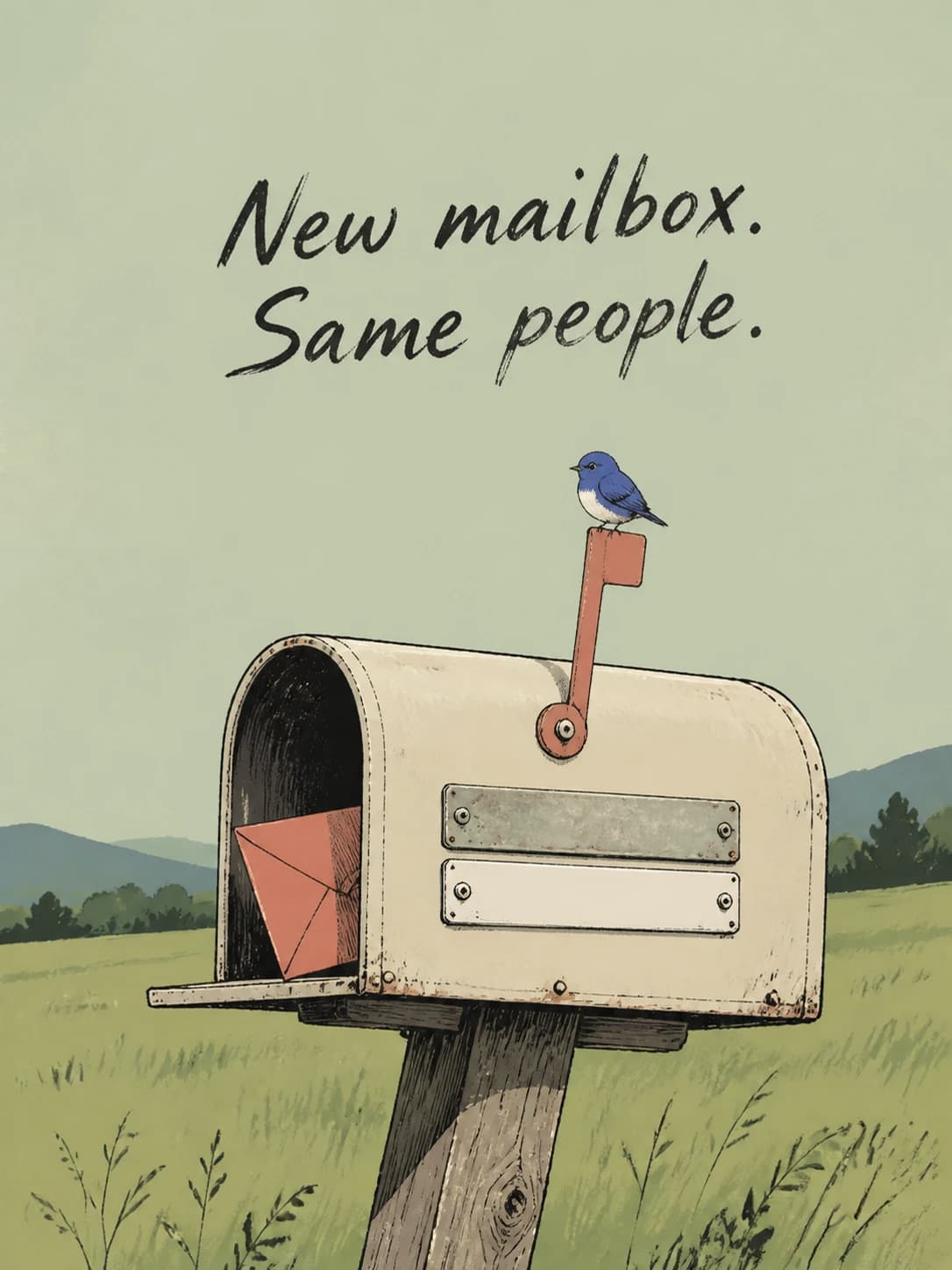
New mailbox. Same people.
Two Last Names
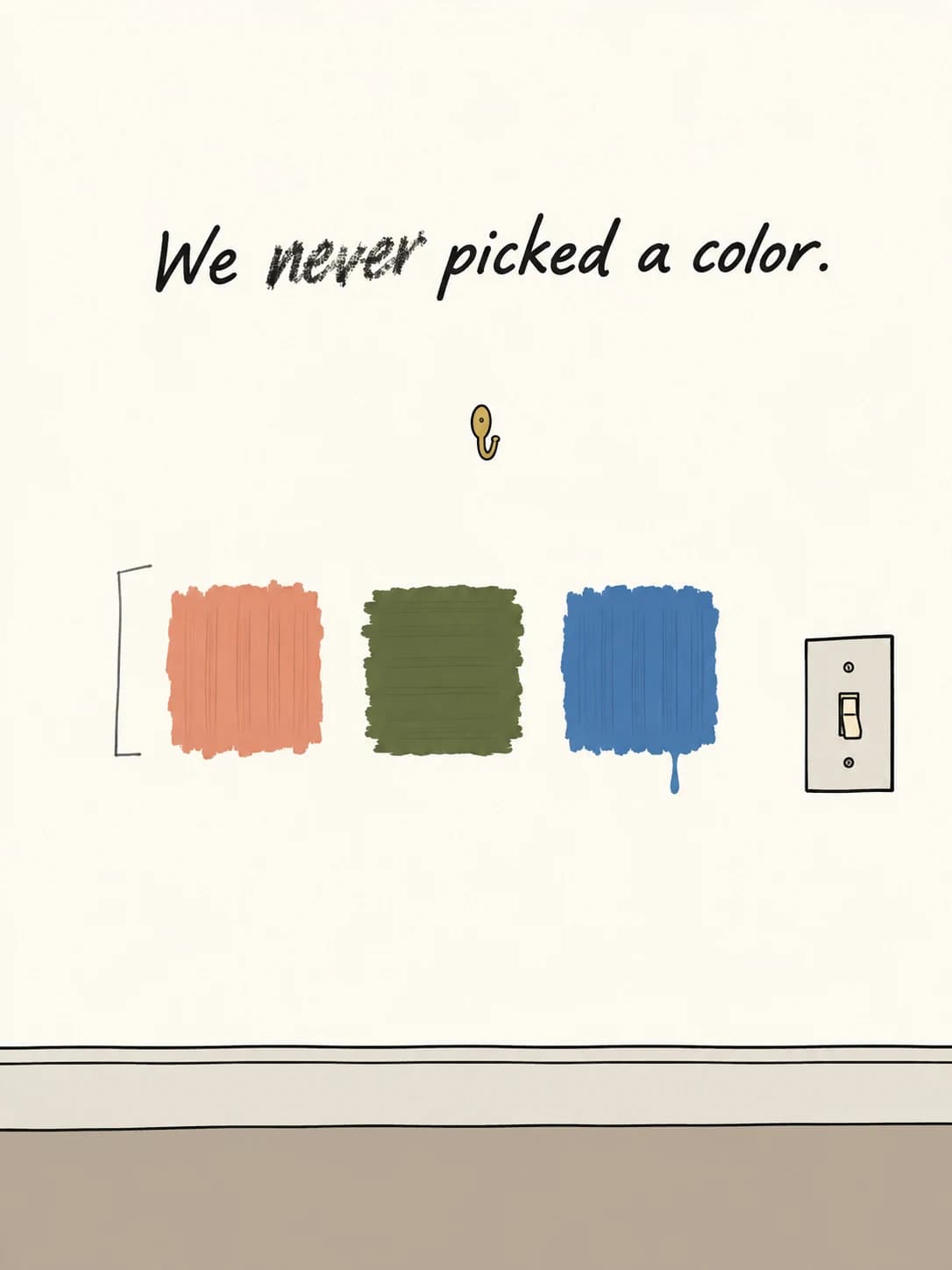
We never picked a color.
Paint Swatches
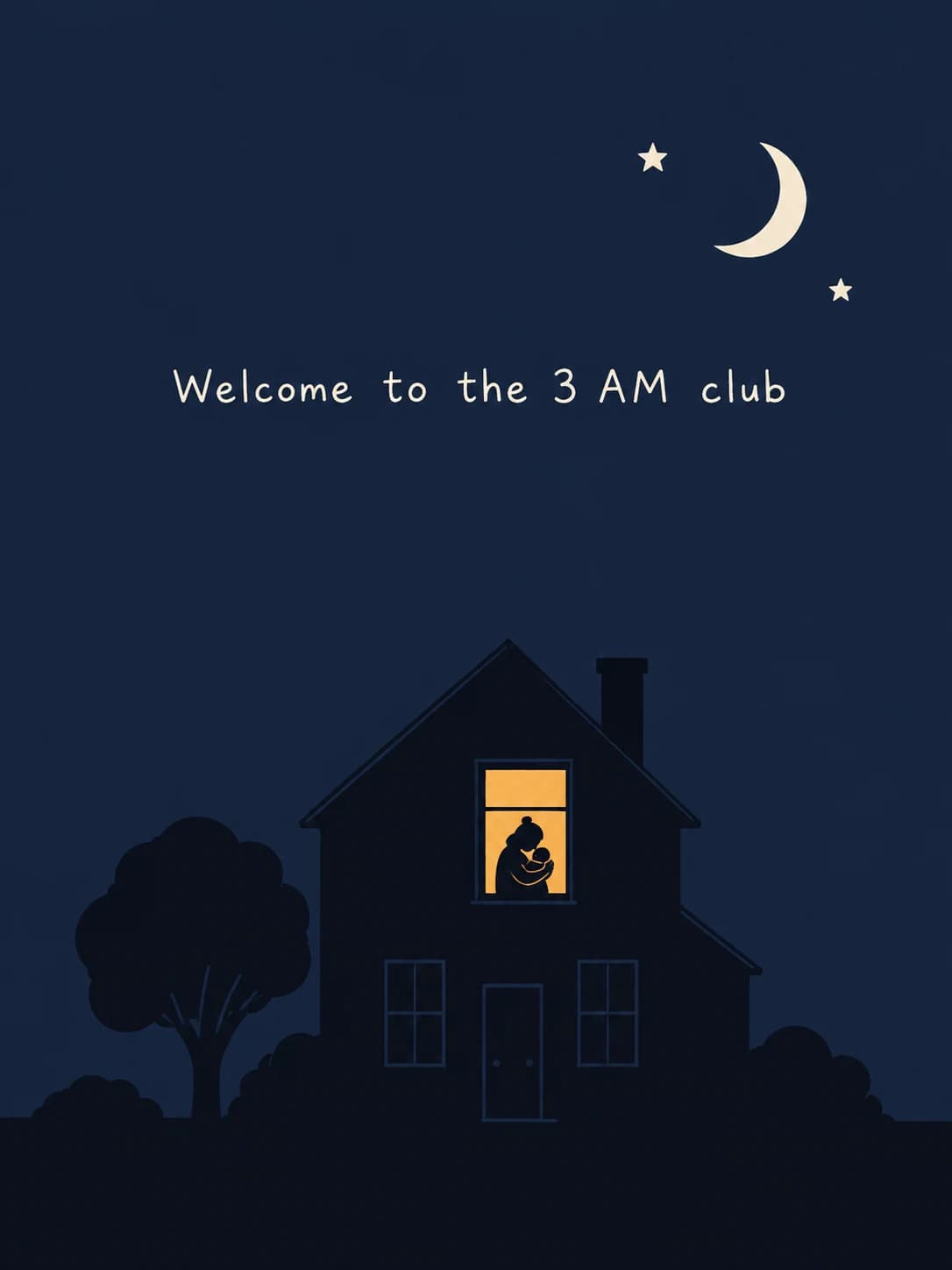
Welcome to the 3 AM club
3 AM Club
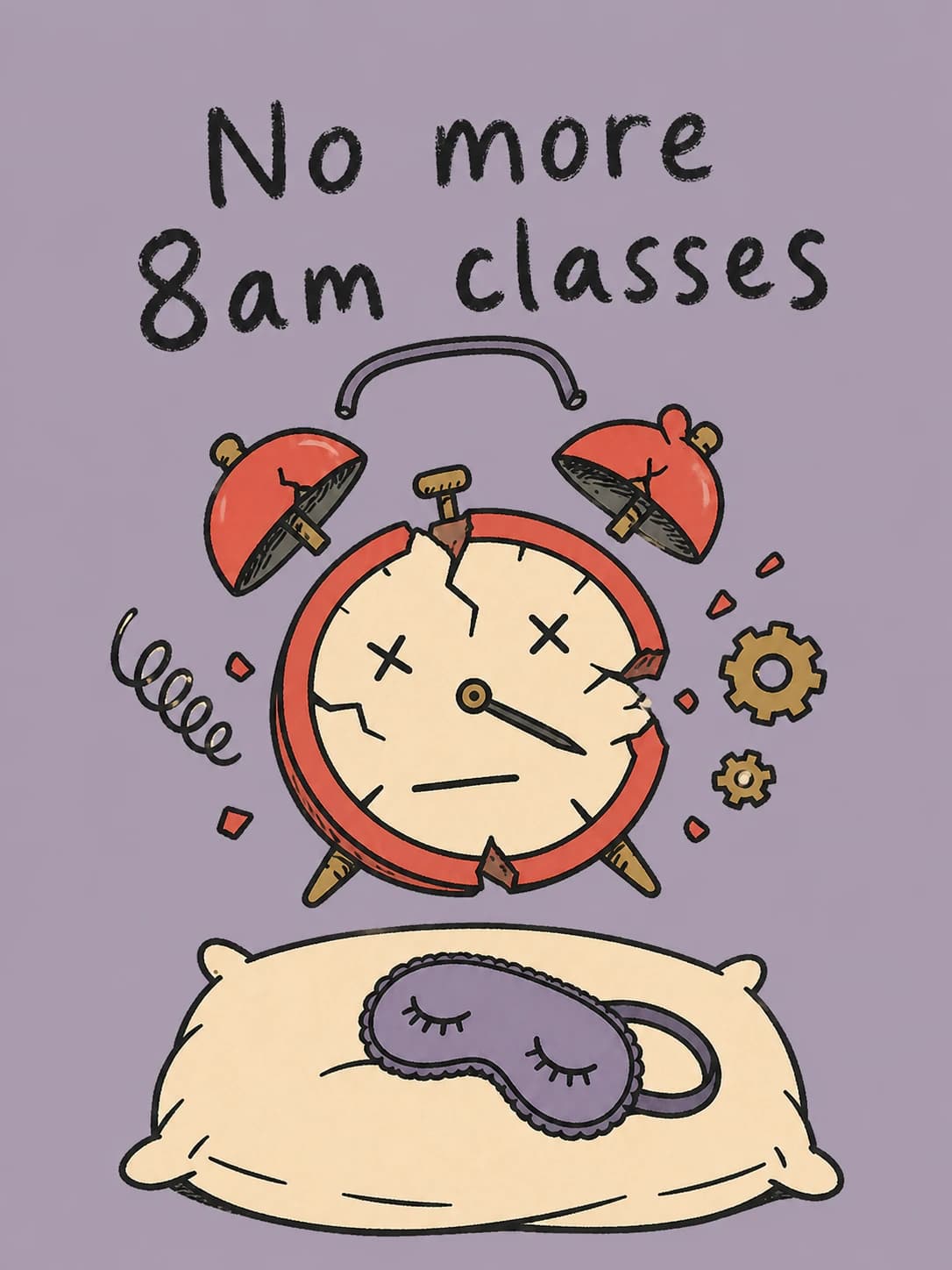
No more 8am classes
Alarm Clock Smash
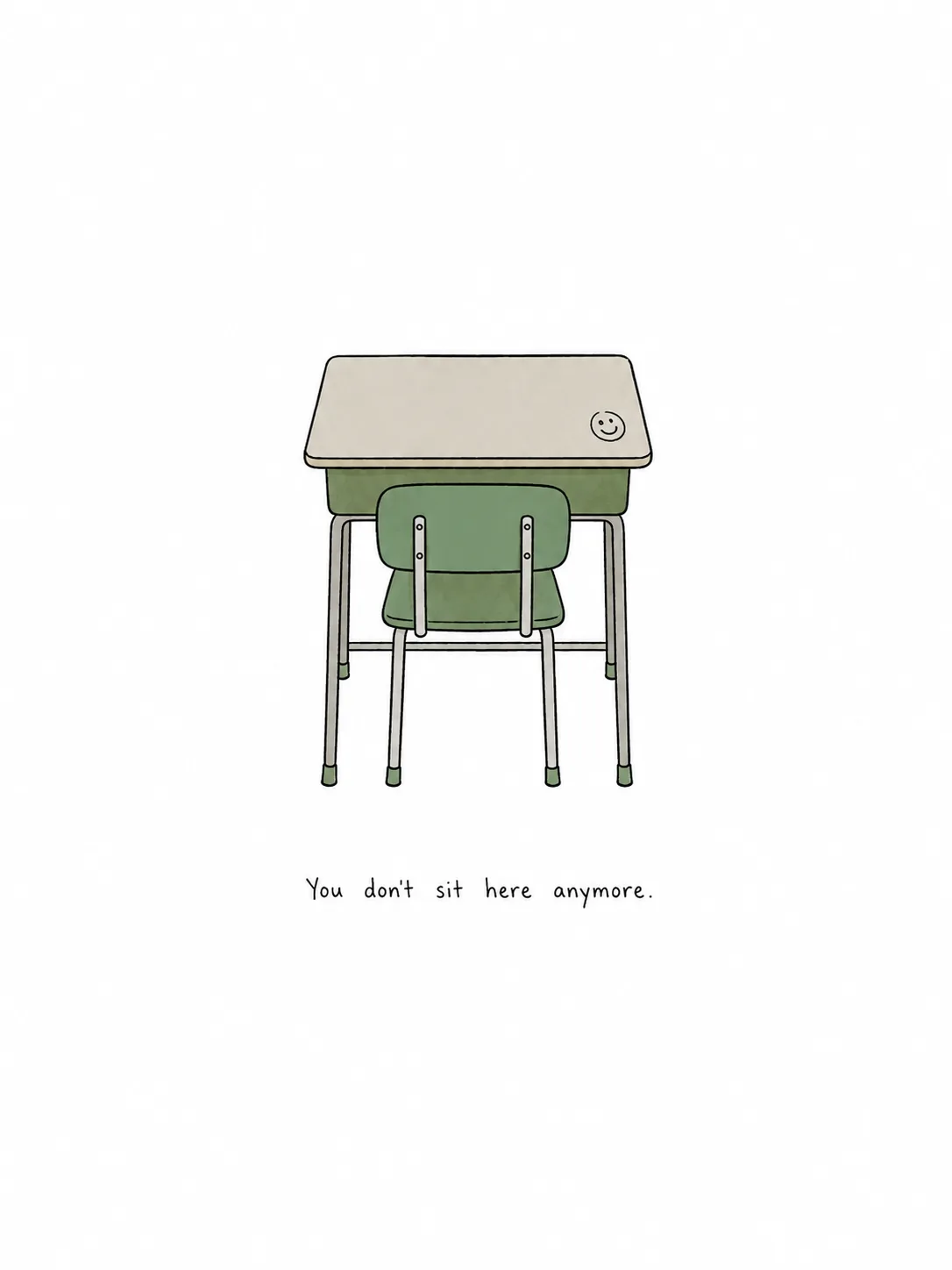
You don't sit here anymore.
Empty Desk
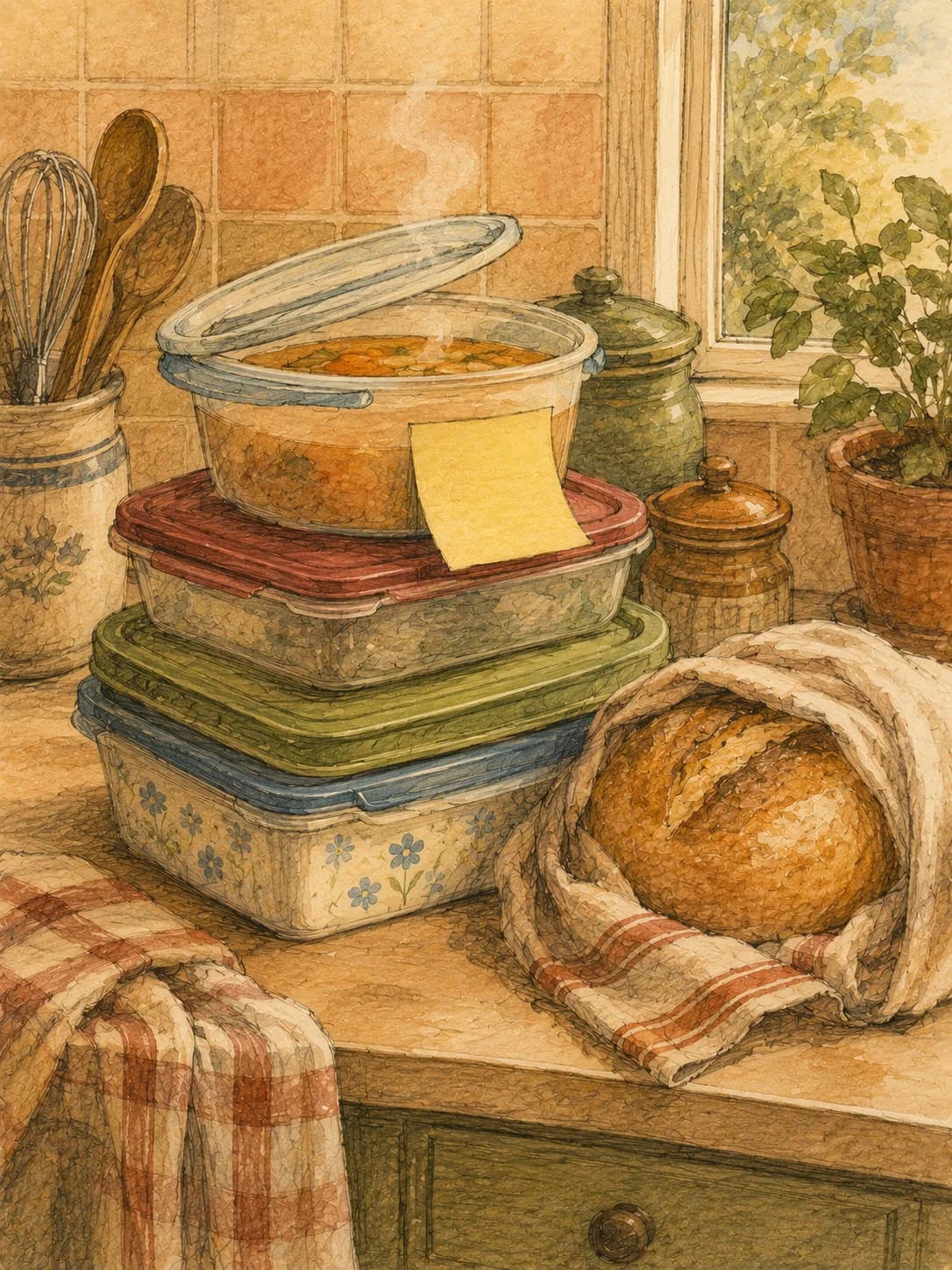
The best meals come in Tupperware
Leftovers
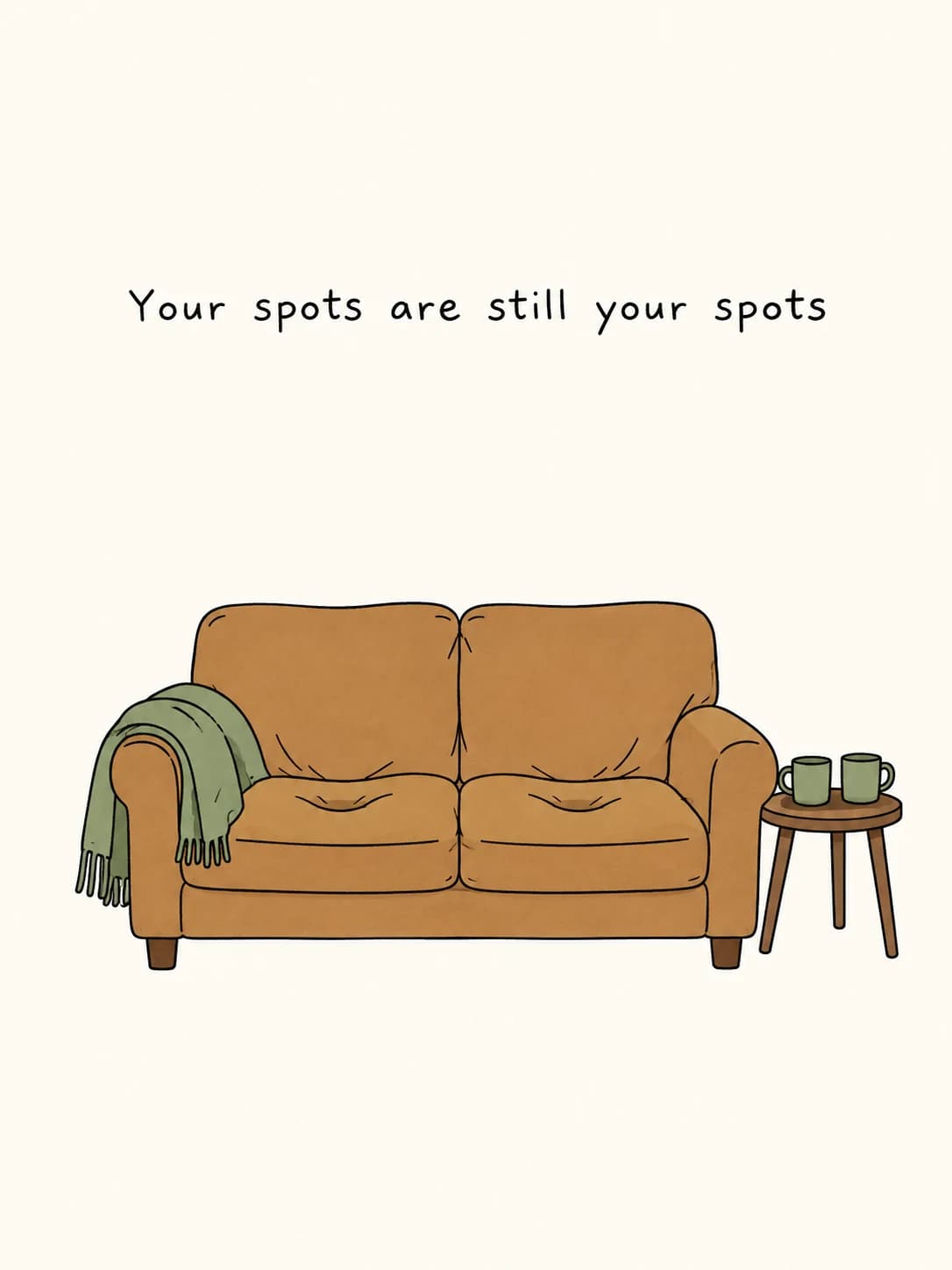
Your spots are still your spots
Worn Couch
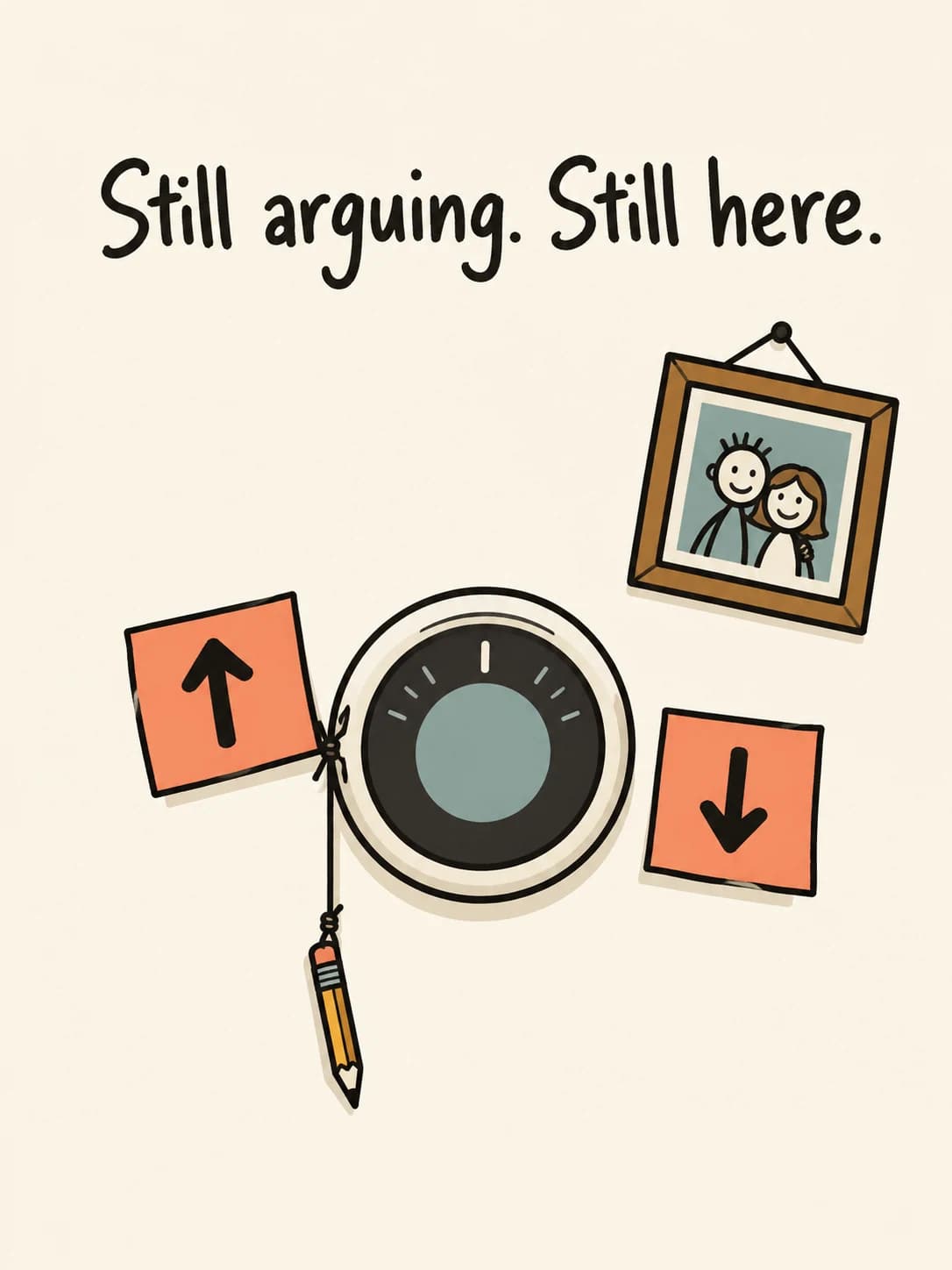
Still arguing. Still here.
Thermostat War
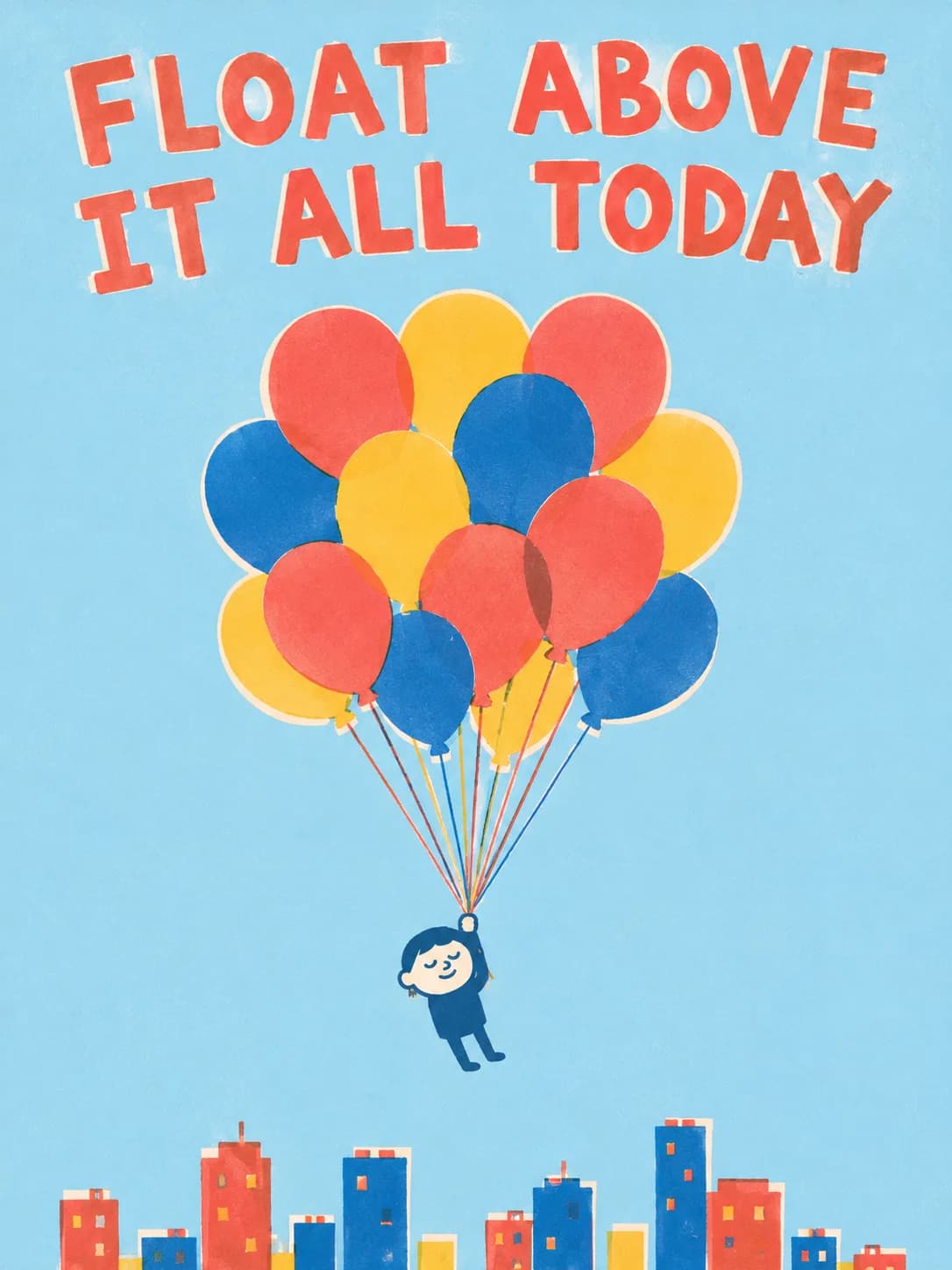
Float above it all today
Birthday Balloons
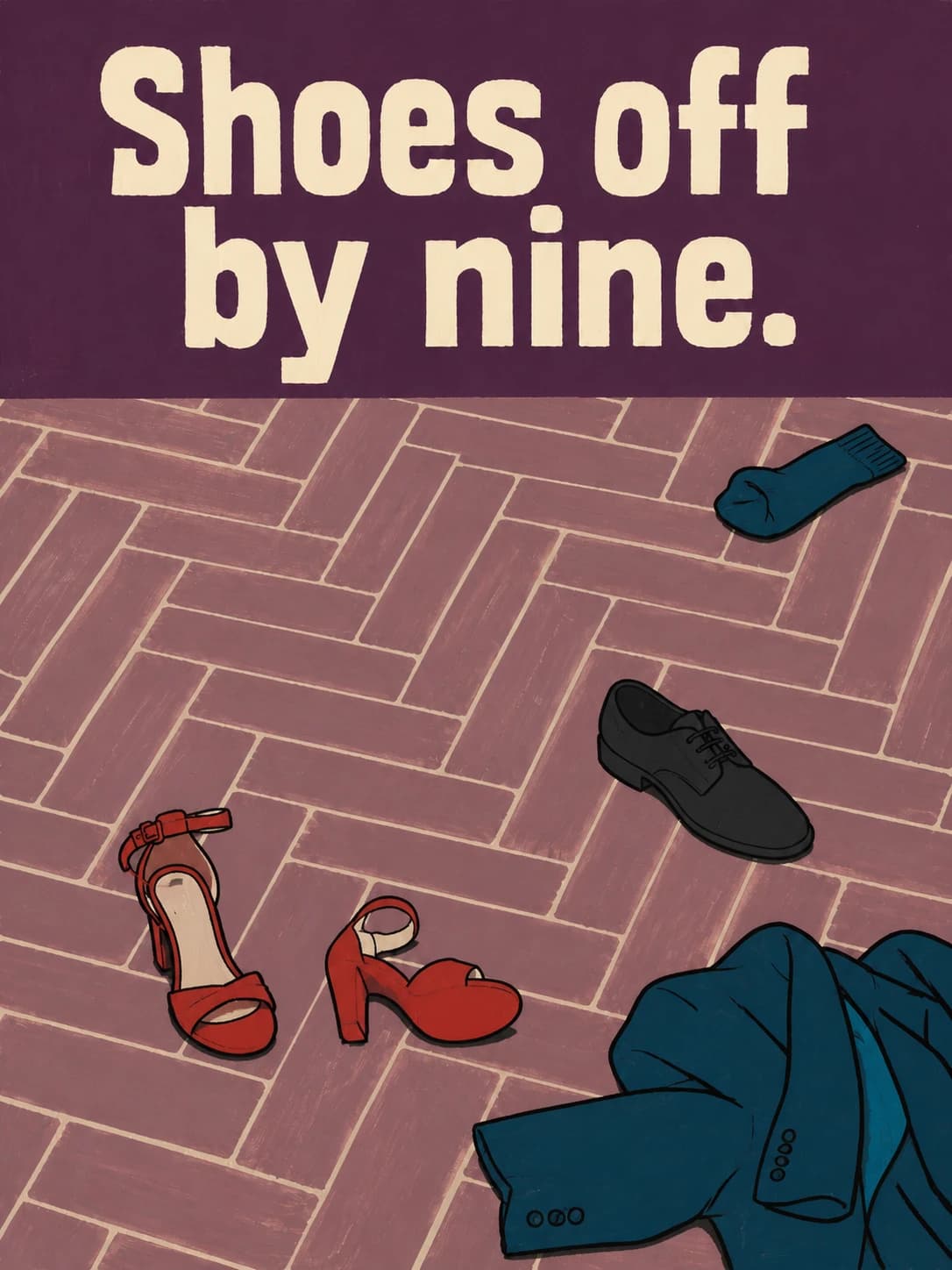
Shoes off by nine.
Shoes Off By Nine
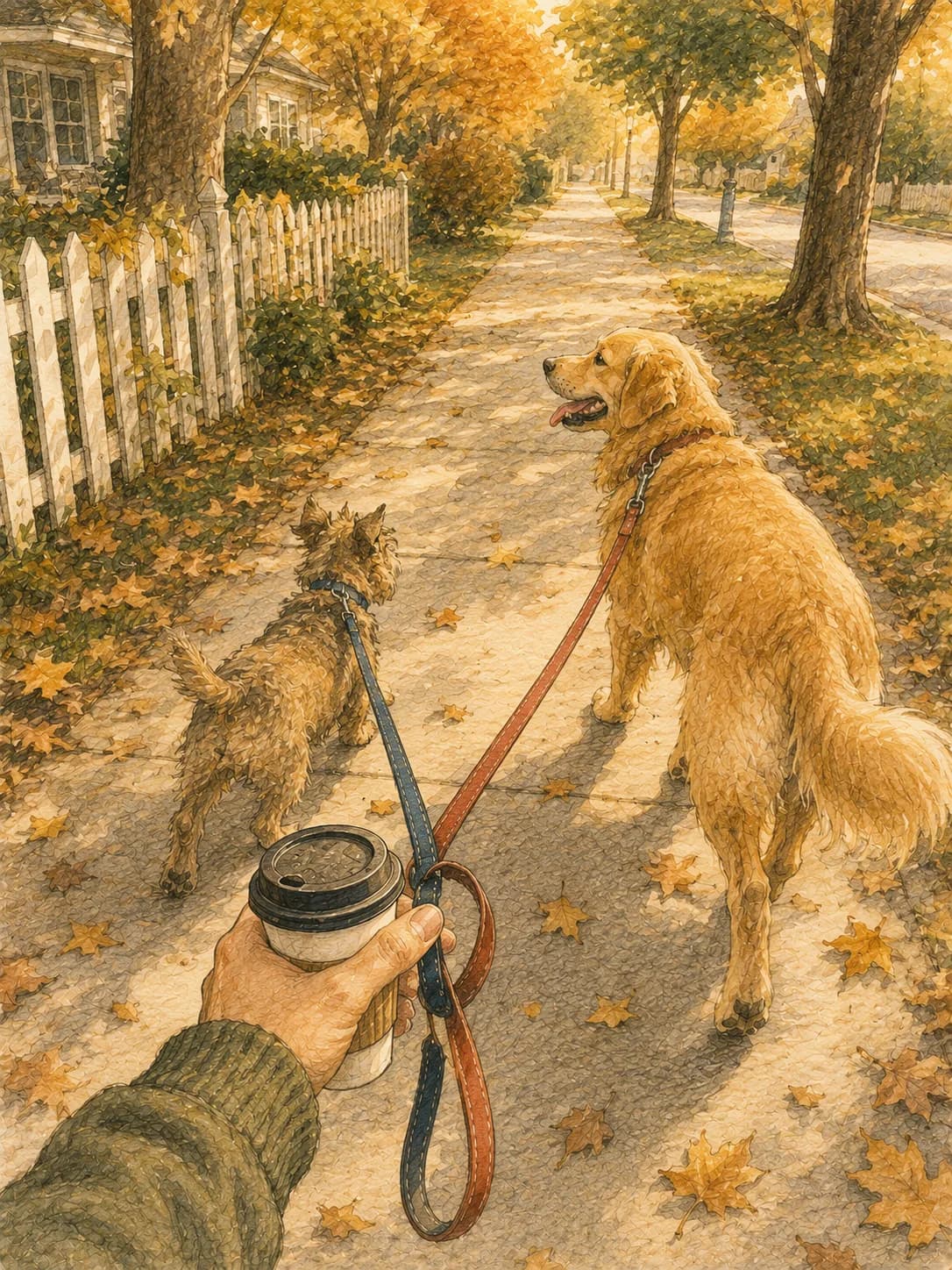
Thanks for picking up the slack
Dog Walk
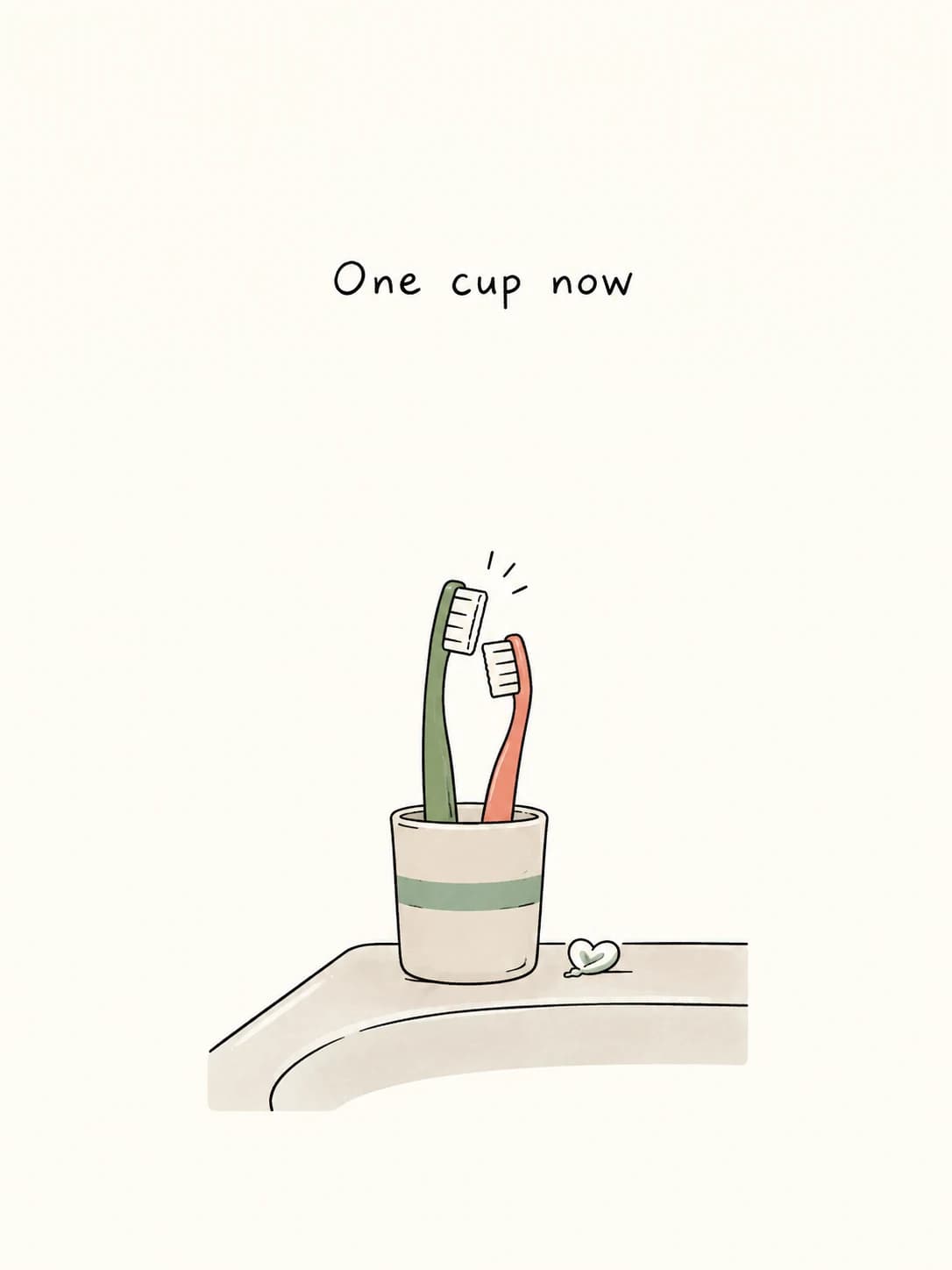
One cup now
Two Toothbrushes
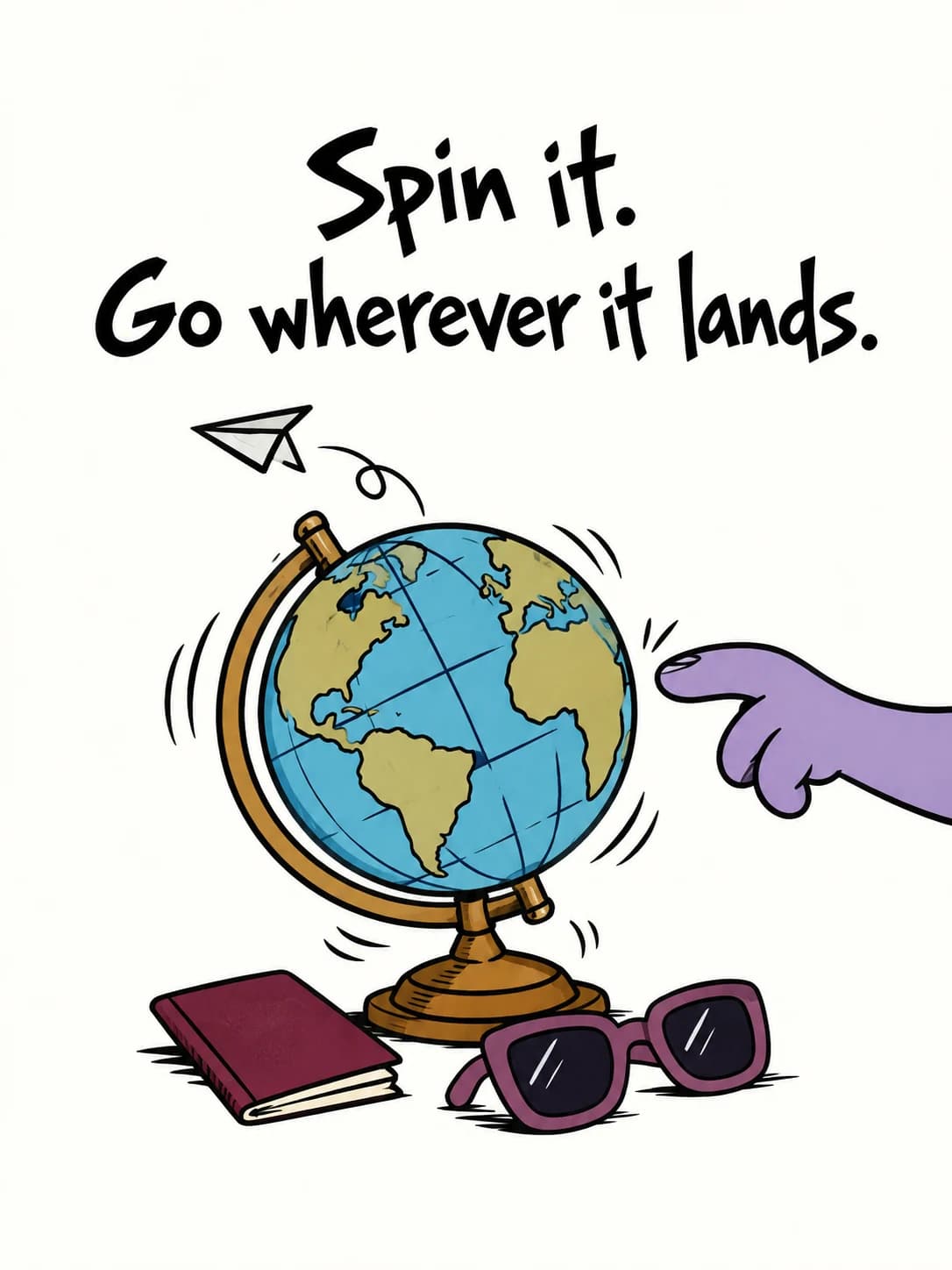
Spin it. Go wherever it lands.
Globe Spin
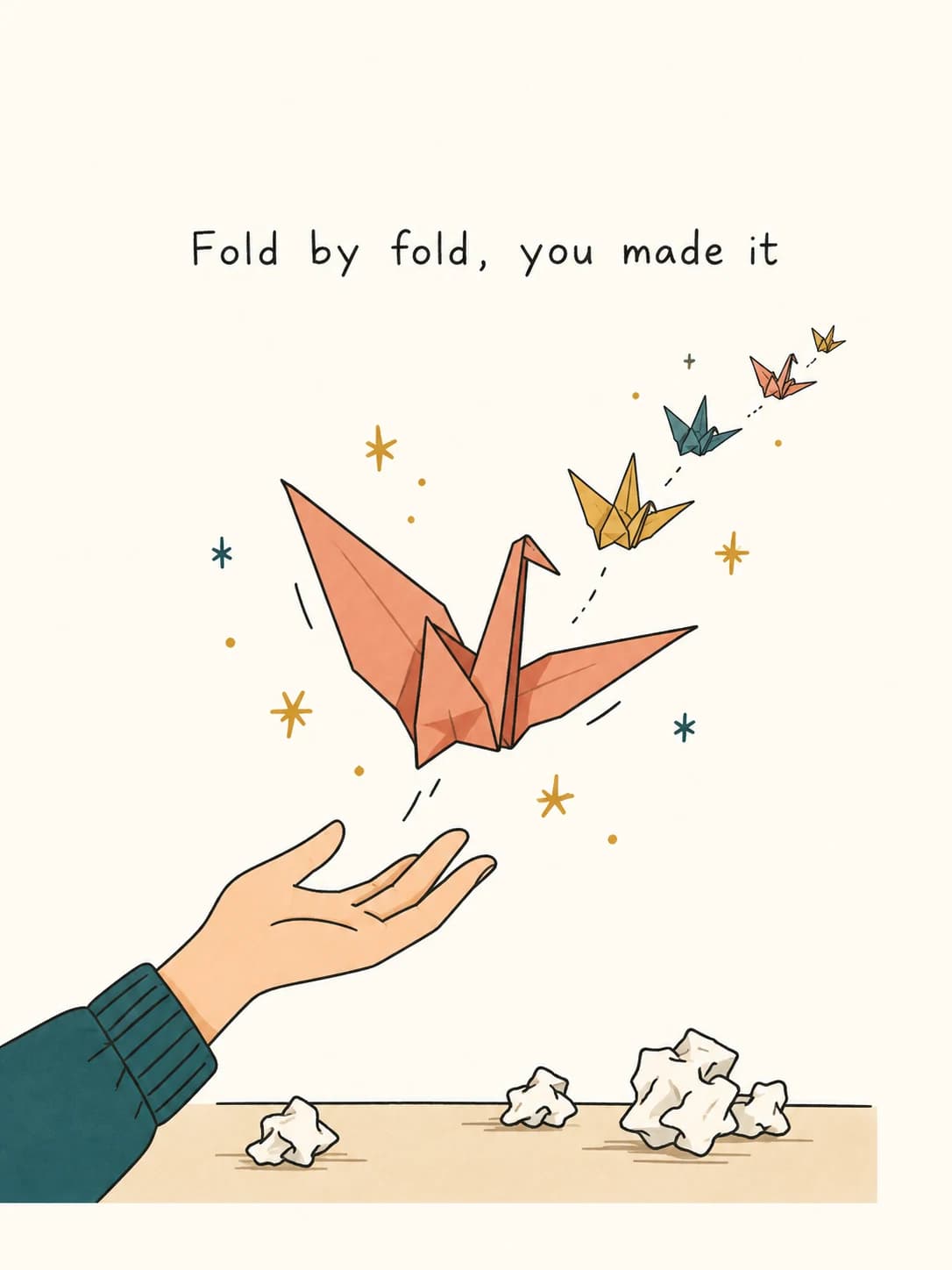
Fold by fold, you made it
Origami Crane
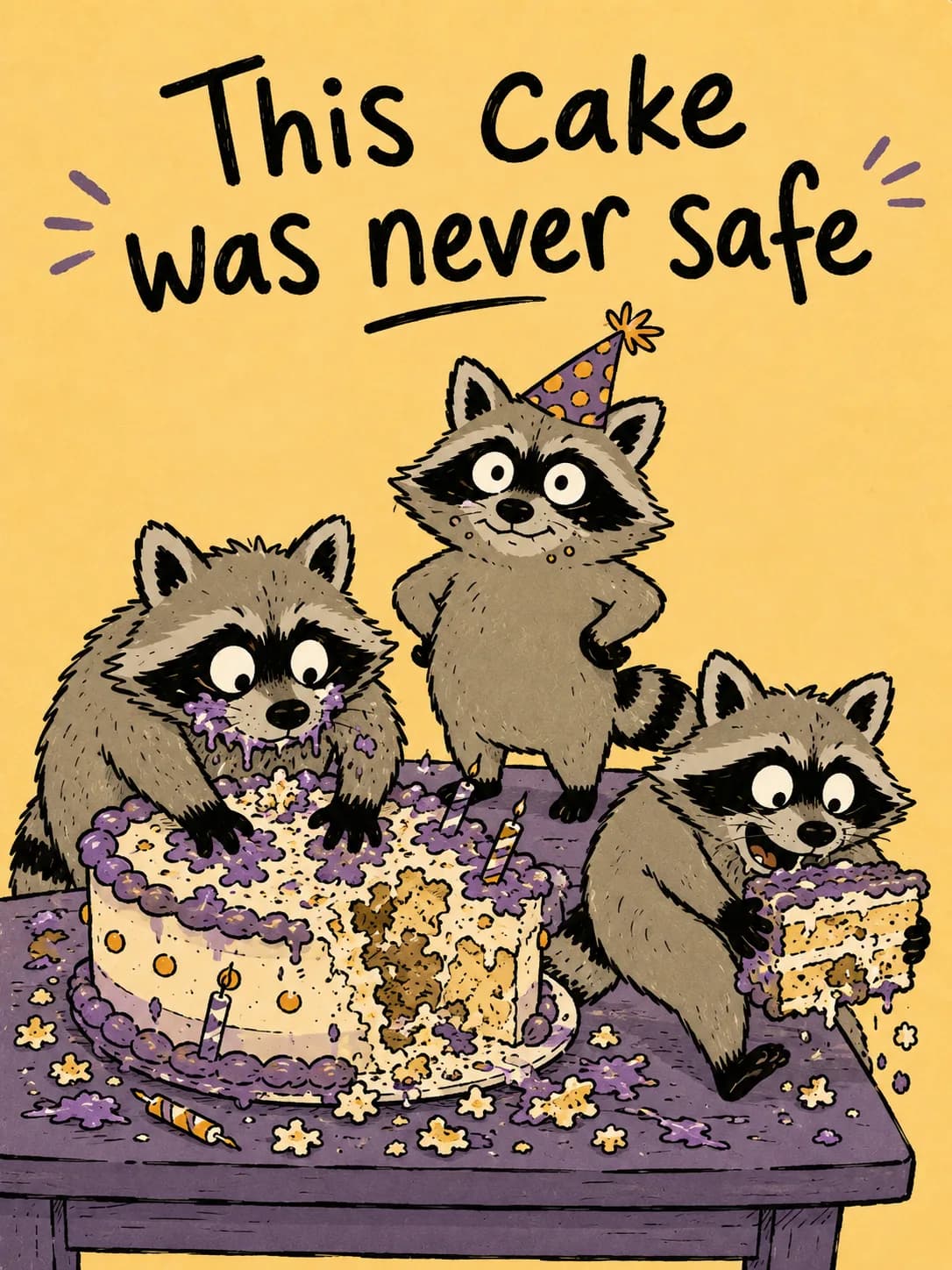
This cake was never safe
Raccoon Cake Heist
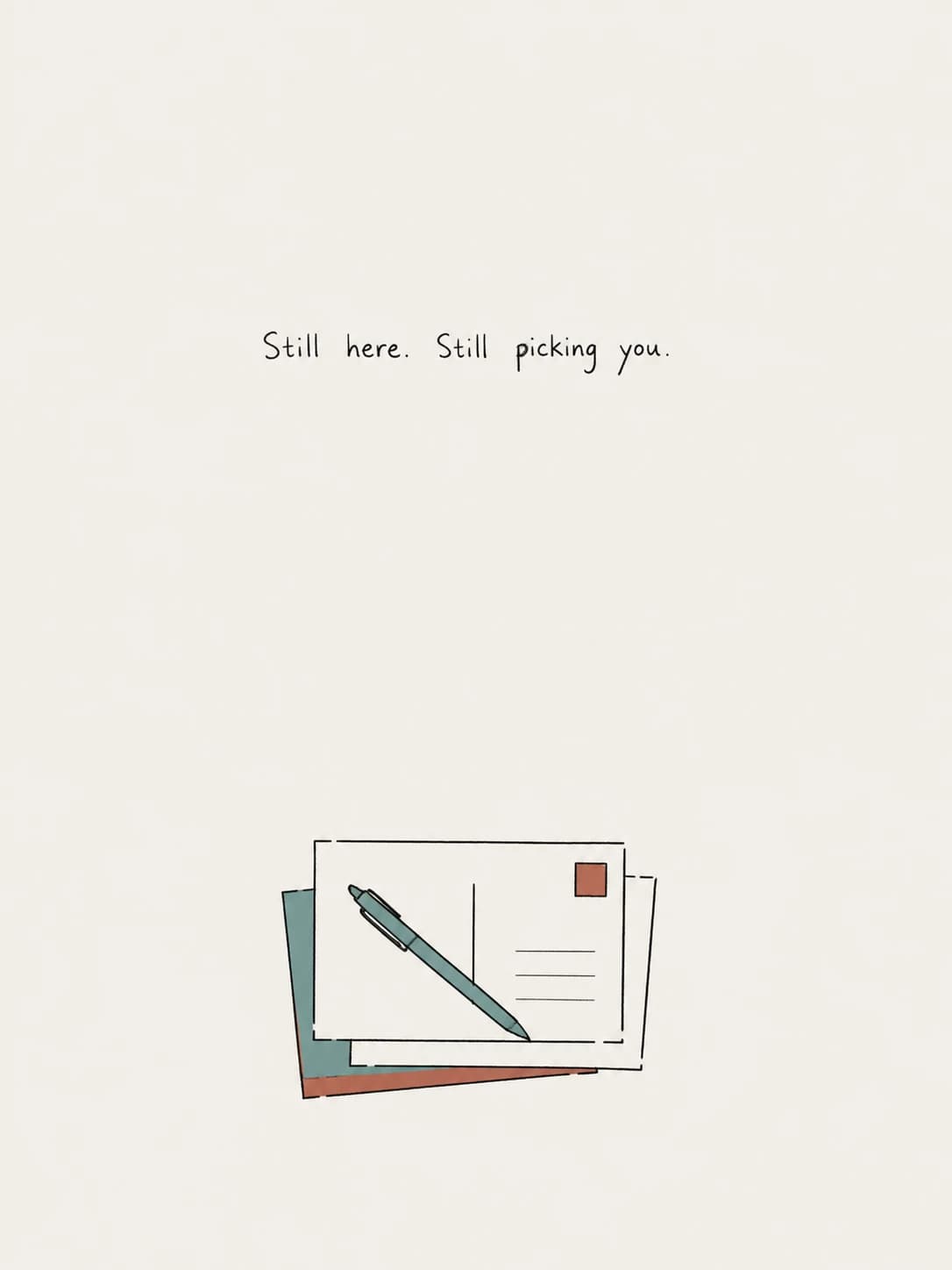
Still here. Still picking you.
Still Picking You
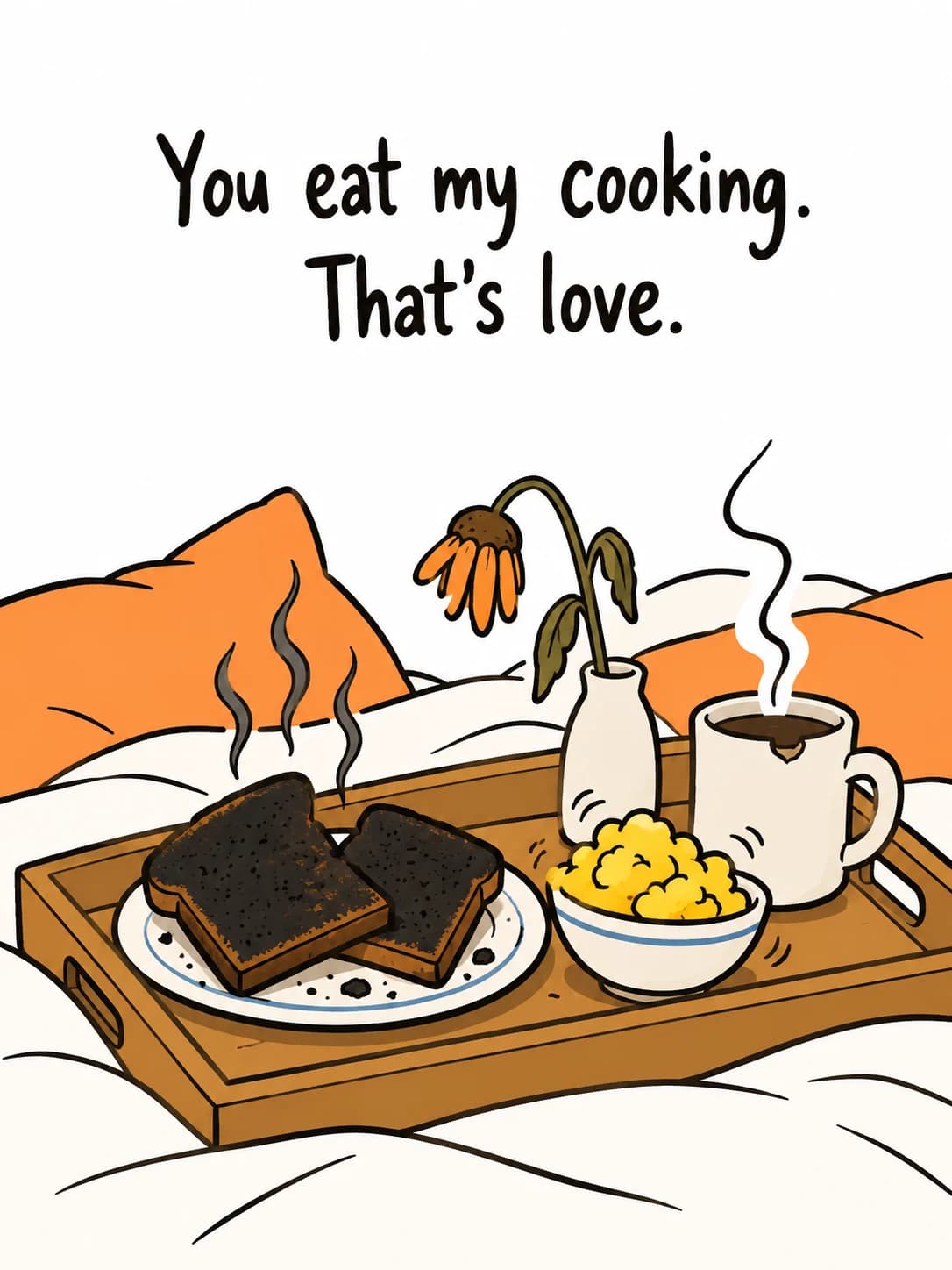
You eat my cooking. That's love.
Burnt Toast
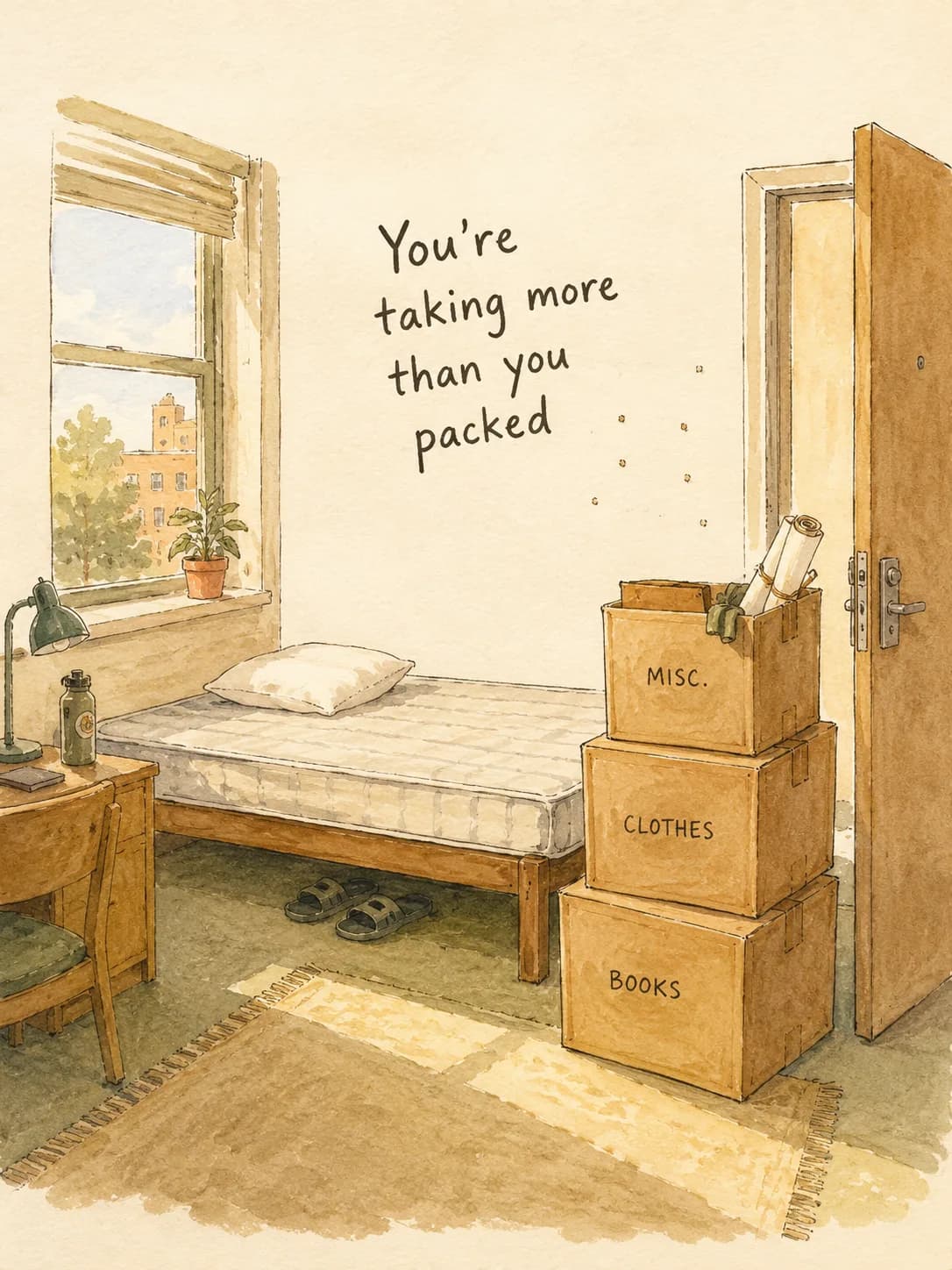
You're taking more than you packed
Packed Boxes
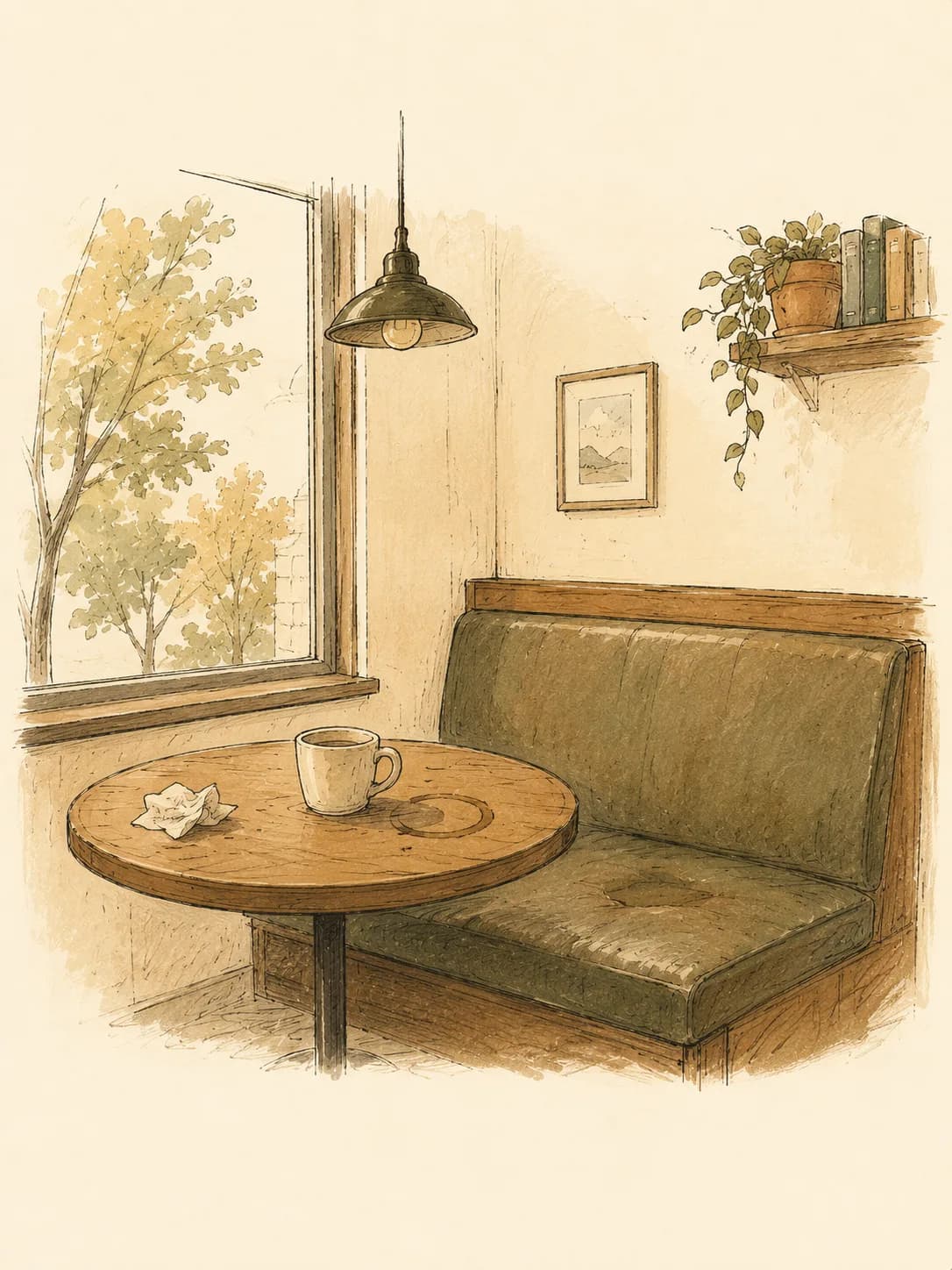
Your booth is empty now
Coffee Booth
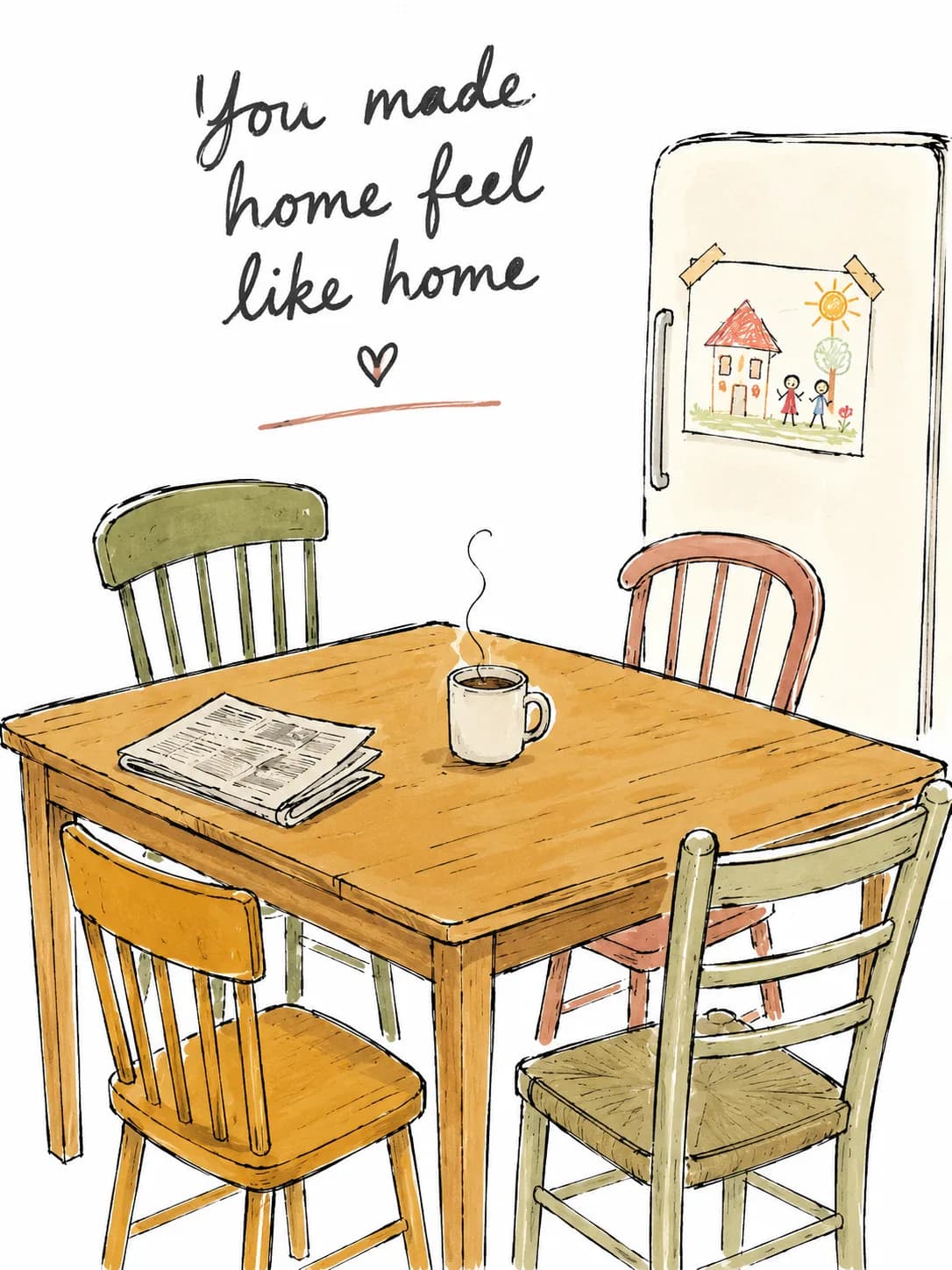
You made home feel like home
Kitchen Table

Throw it high
Cap Toss
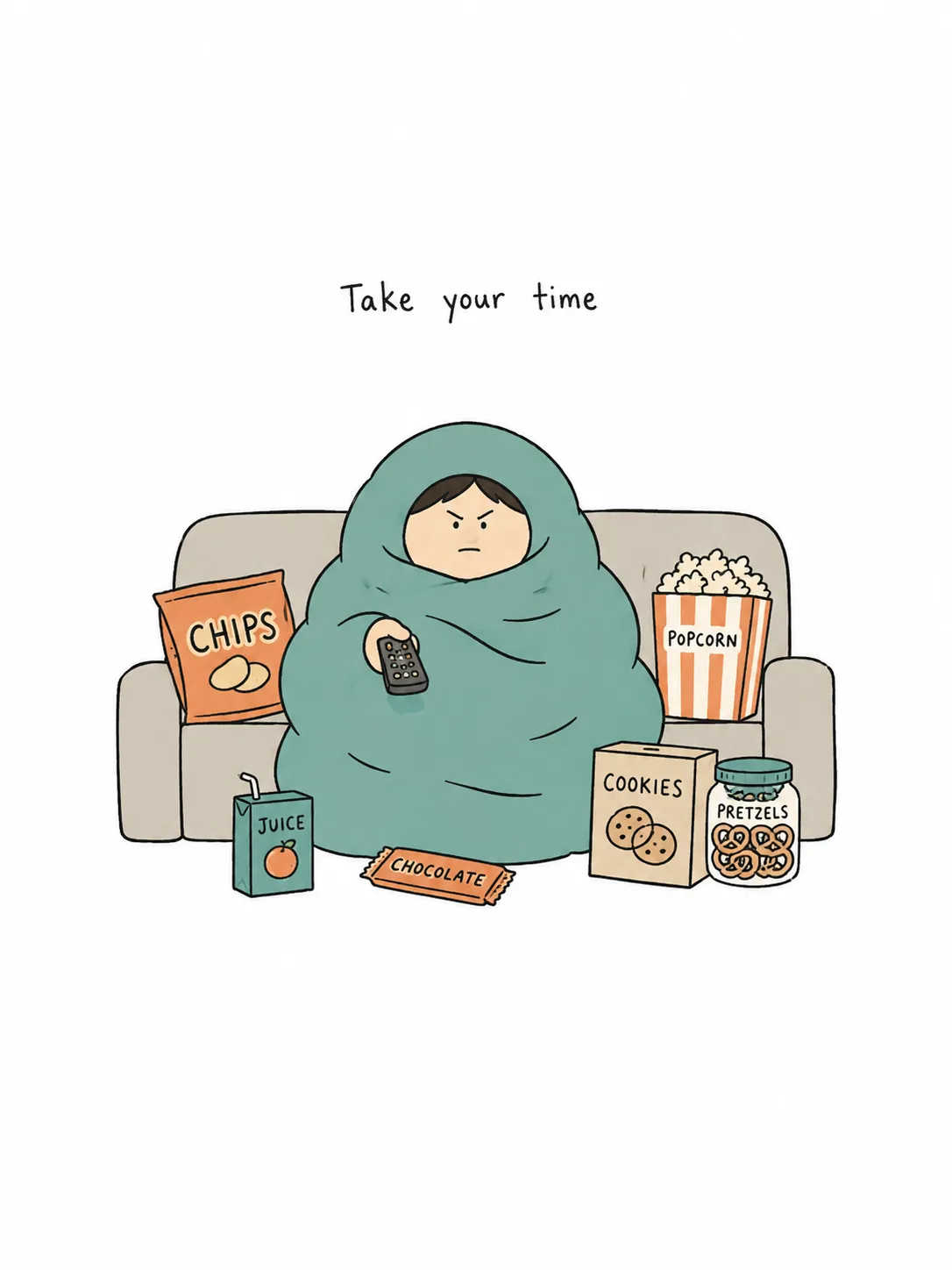
Take your time
Still Waiting
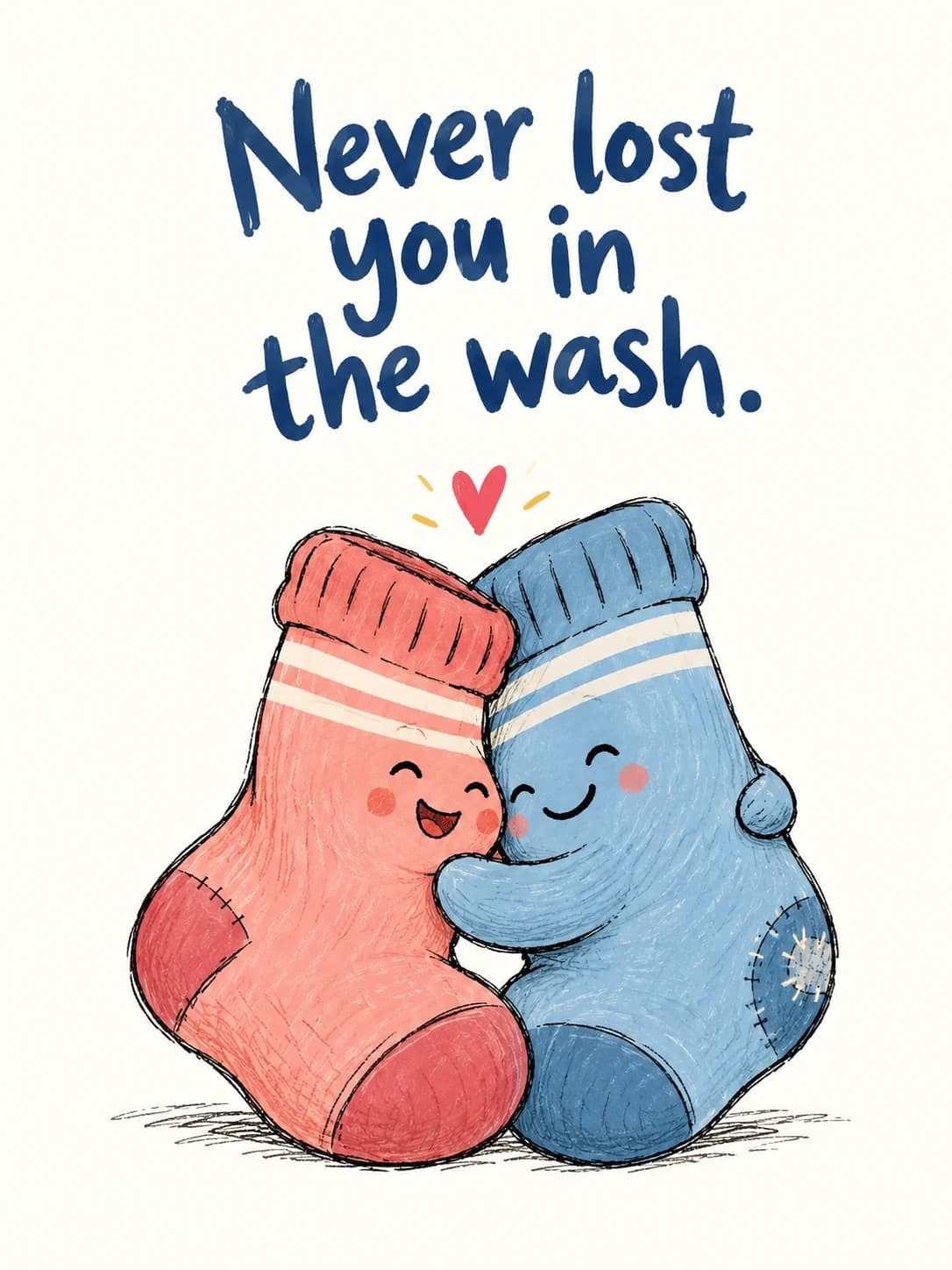
Never lost you in the wash.
Sock Match
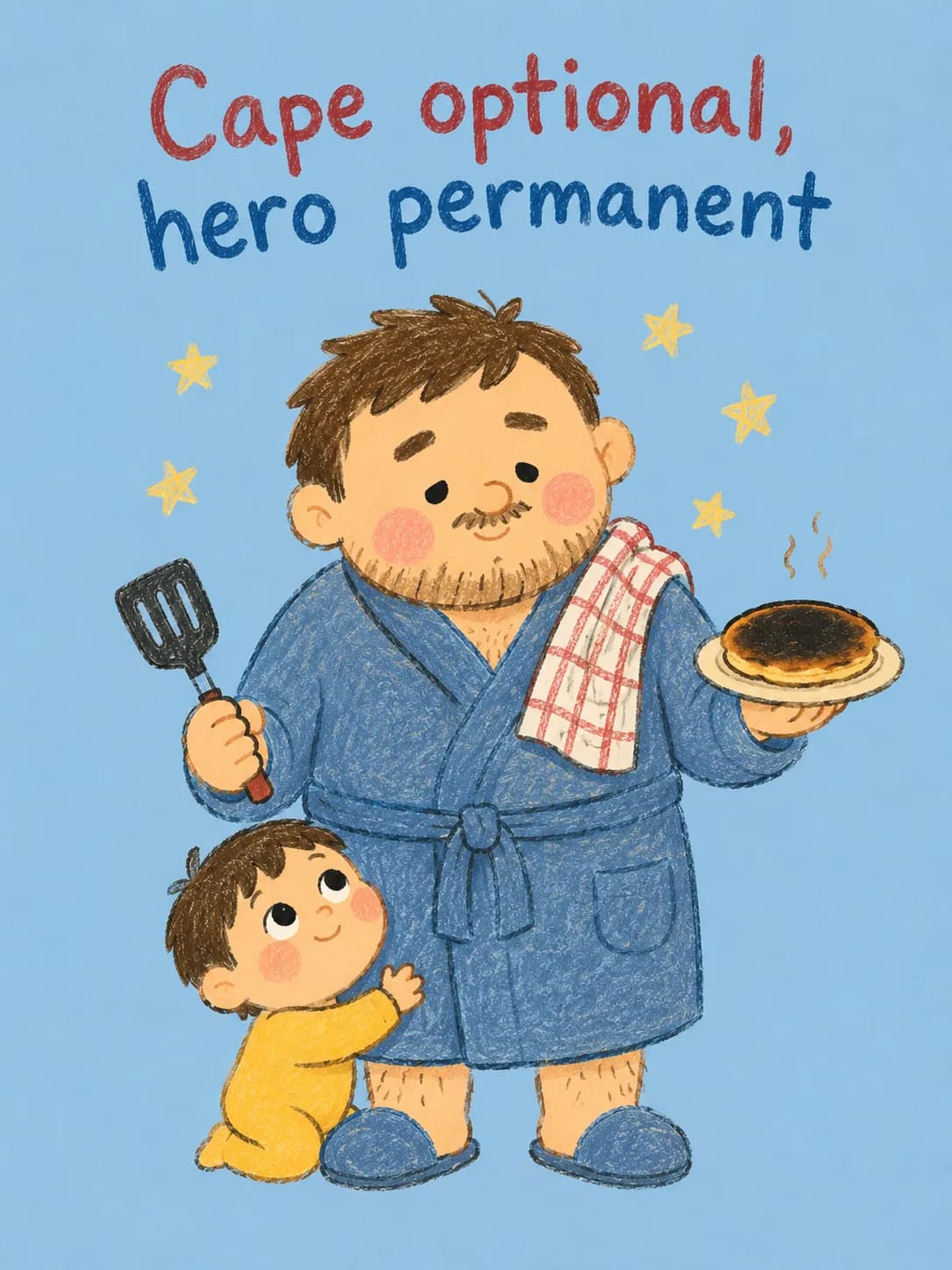
Cape optional, hero permanent
Super Dad
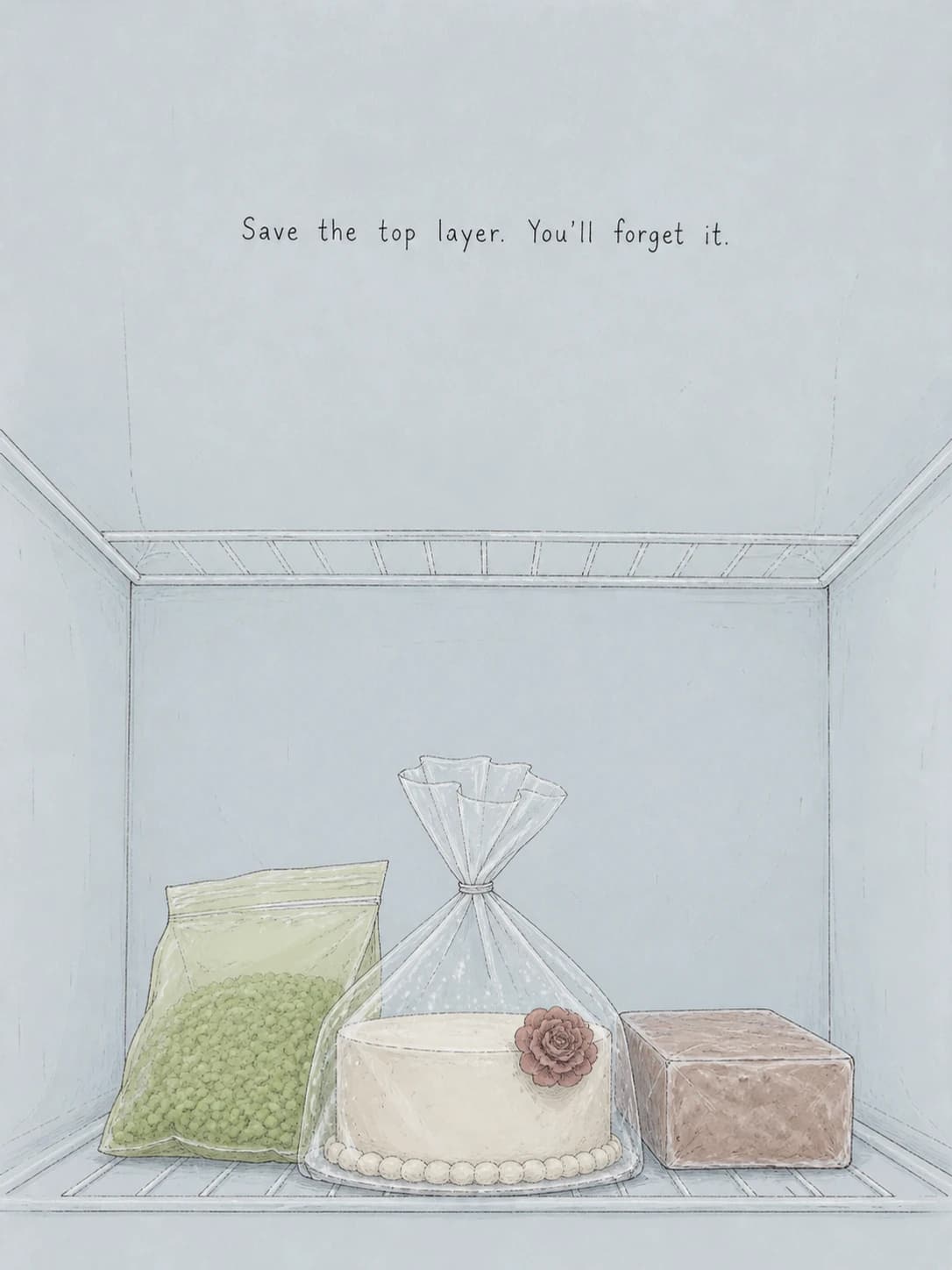
Save the top layer. You'll forget it.
The Top Layer
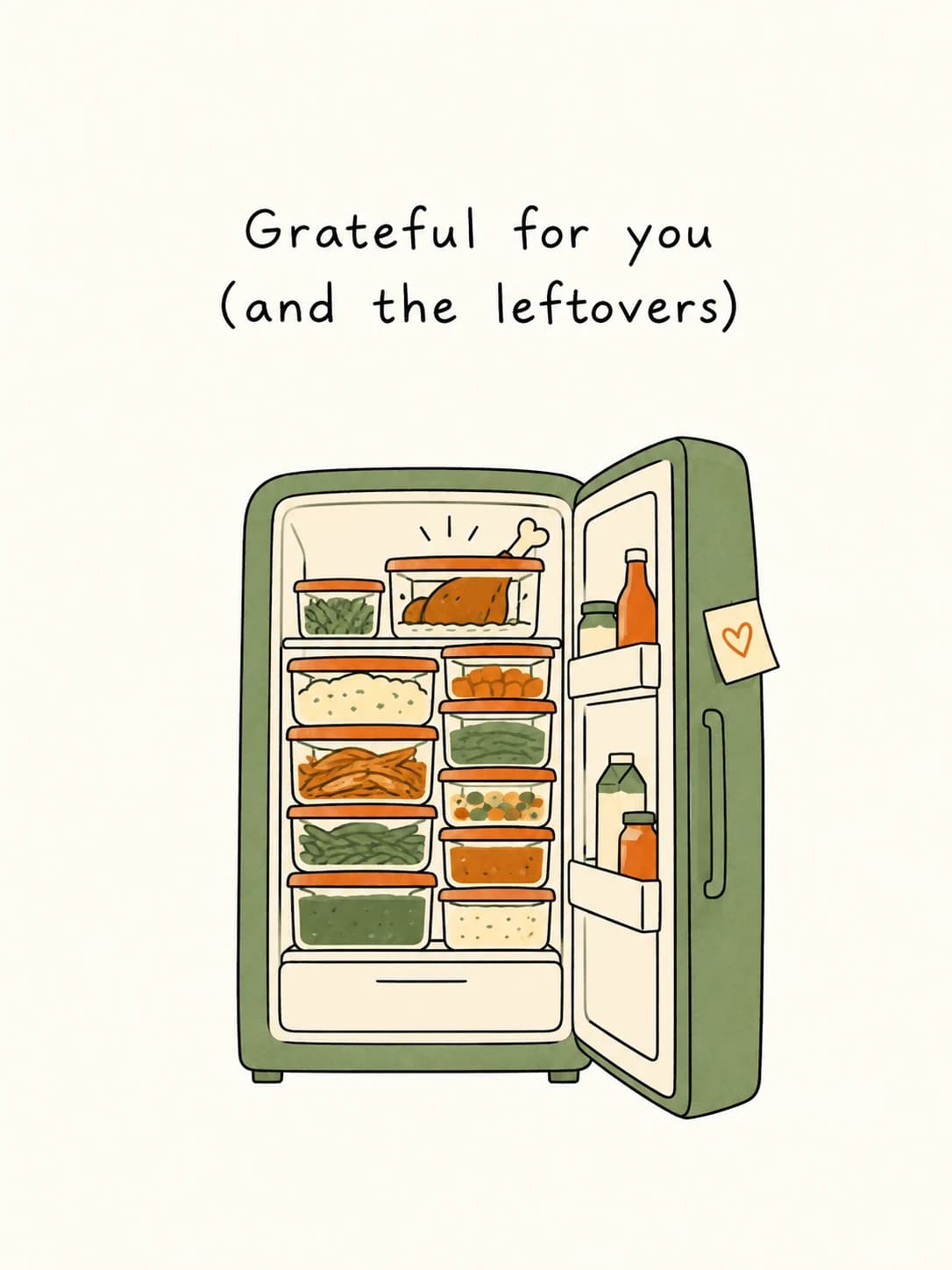
Grateful for you (and the leftovers)
Leftovers Fridge
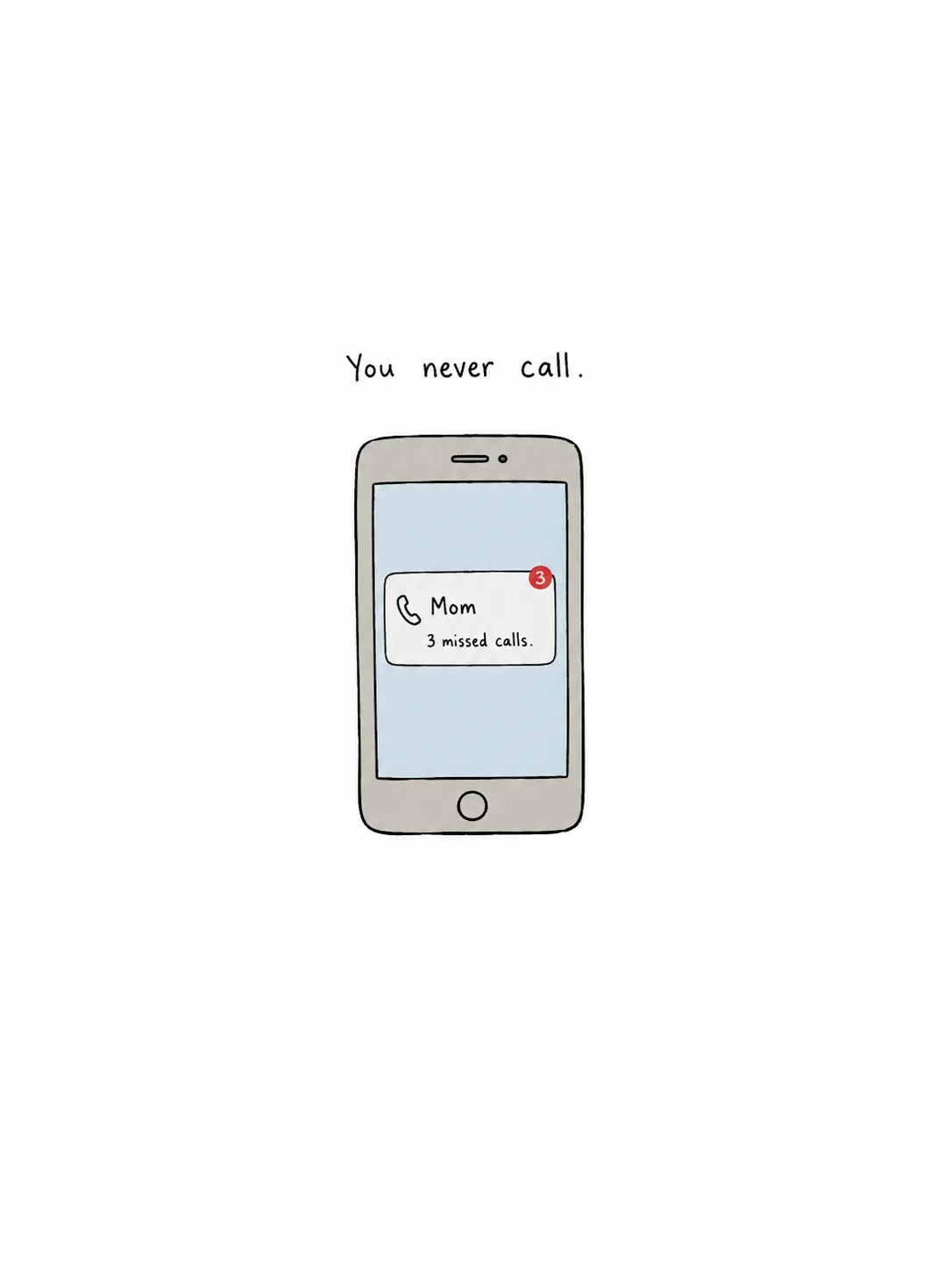
You never call.
Missed Call
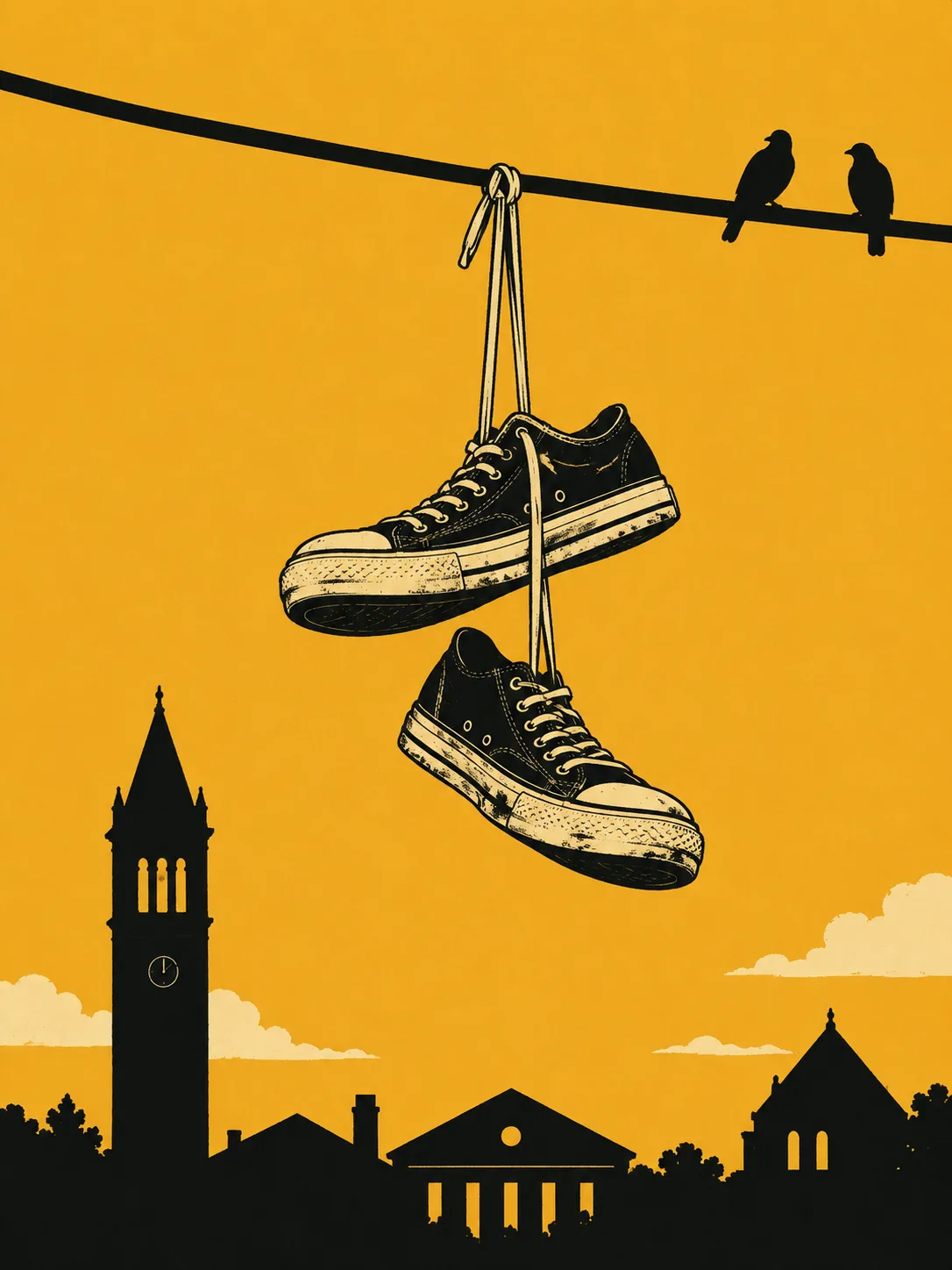
Hung up the old pair
Shoes on a Wire
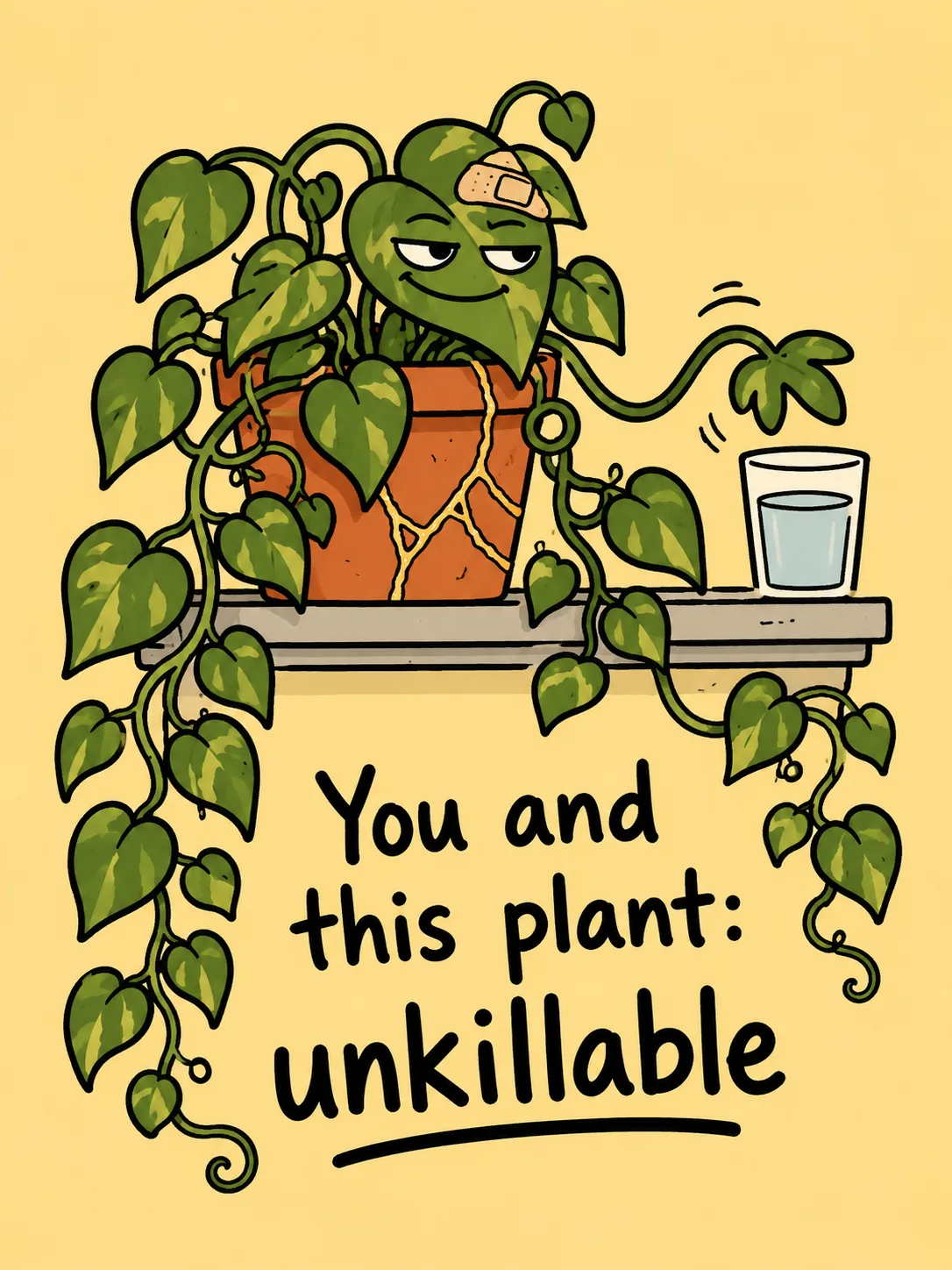
You and this plant: unkillable
Stubborn Houseplant
Some Card-Writing Tips
Picking the right card
Most people spend more time picking the card than writing it. That's usually backwards. The card design matters, but it's the carrier; the message is the cargo. Pick a card that fits the recipient quickly, then put your effort into what you write on the inside.
A few patterns worth knowing when you're browsing the gallery and not sure what to send.
When the relationship is warm and the occasion is casual
A lighter or funnier design fits. The card visually signals “this is going to be a fun read” before they open it, which sets the tone for whatever you wrote inside. Save the watercolor florals for cards with weight.
When the occasion is heavy (loss, illness, hard year)
Reach for the quieter designs — one subject, a lot of space, neutral or muted color. A busy or cheerful front on a condolence card reads as tone-deaf, even when the message inside is sincere. Match the visual gravity to the moment.
When you don't know the recipient well
A neutral, broadly appealing design is safer than something specific to a hobby or a joke. You don't want the recipient's first reaction to be confusion about the reference. Aim for warm and generic on the front, and let your short, honest message do the work inside.
When the recipient has strong design preferences
Some people care a lot about the look of their cards. If you know that — an aunt with a curated home, a friend who designs for a living — match their taste rather than yours. The signal you're sending is “I know you well enough to know what you'd like,” which is itself a kind of message.
When you're sending the same card to a group
A clean, illustrative design that doesn't scream a specific personality works best, because what you're really doing is letting each personalized message inside do the differentiating. A “loud” card sent to fifteen coworkers reads as a mailer; a quiet card sent to fifteen coworkers with fifteen specific messages reads as fifteen gestures.
Then the harder part
Once you've picked the card, the message does the work. The ones people keep name a real thing the recipient didn't expect anyone to have noticed — a specific morning, or a habit of theirs you find funny.
If you want the whole approach written out, read our card-writing guide for the working method. For specific occasions, the blog has guides for the most common ones — birthday, Mother's Day, Father's Day, graduation, thank you, get well, wedding.